


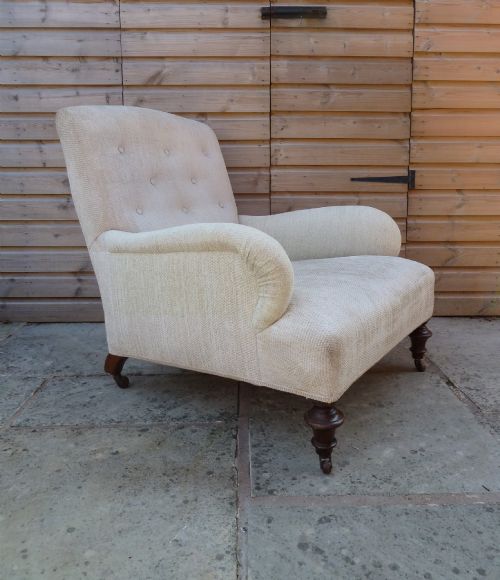
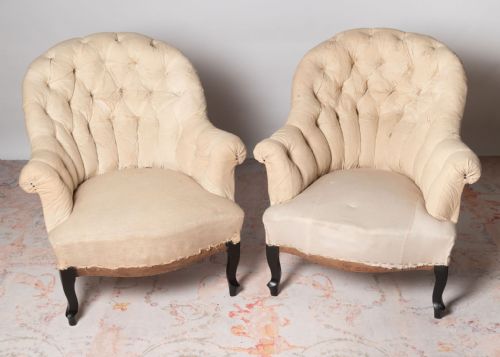
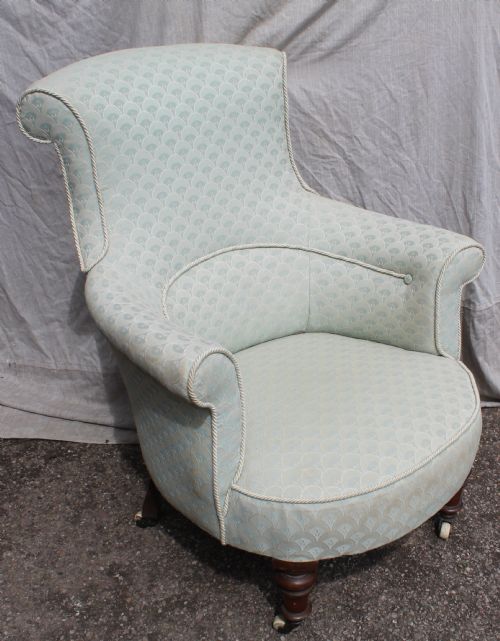
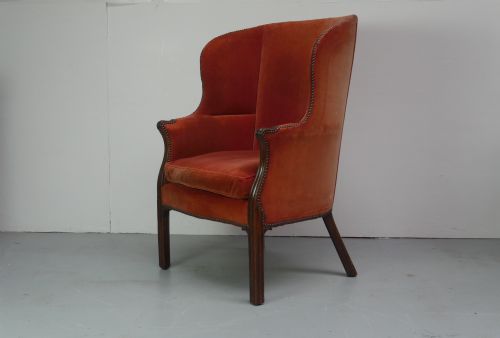
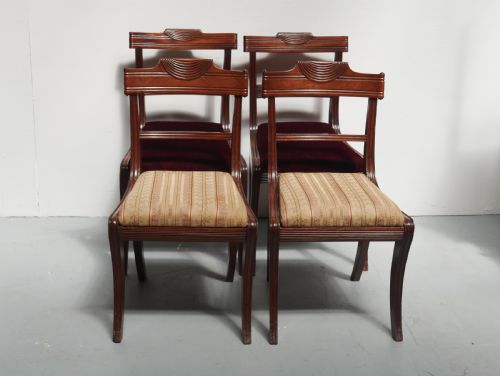
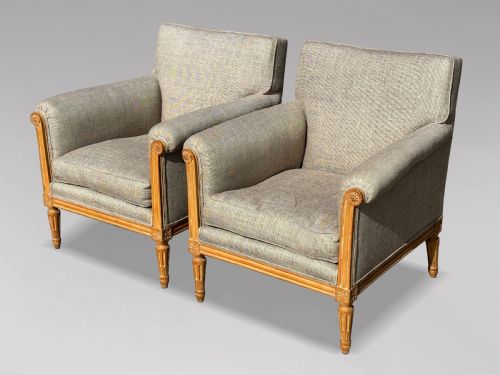
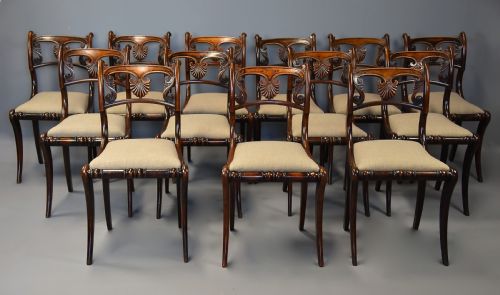
Classic Upholstered Chair
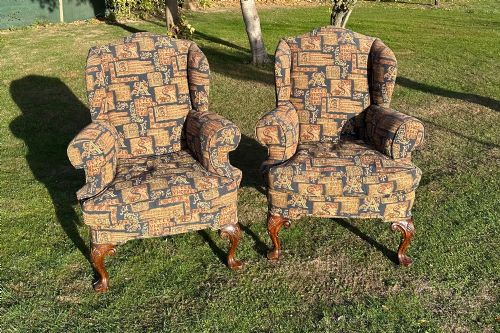
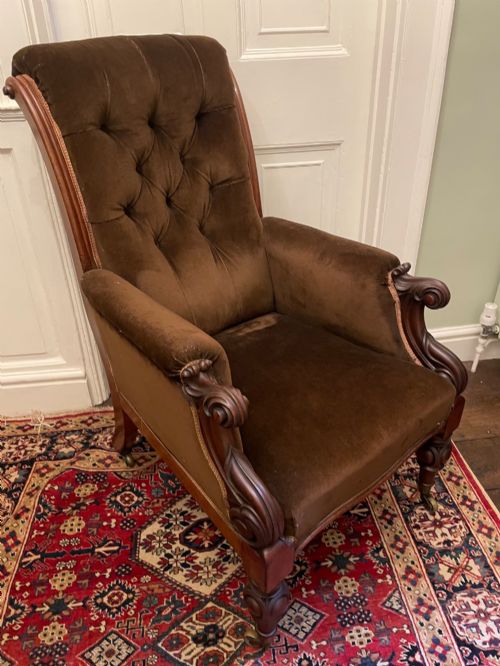
A classic upholstered chair brings functional comfort and period design together, ranging from buttonback suites to mahogany framed armchairs.
Classic Upholstered Chair
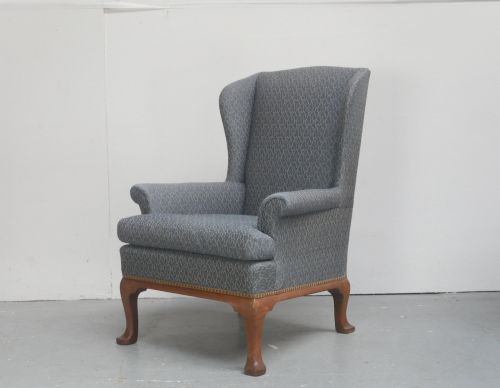
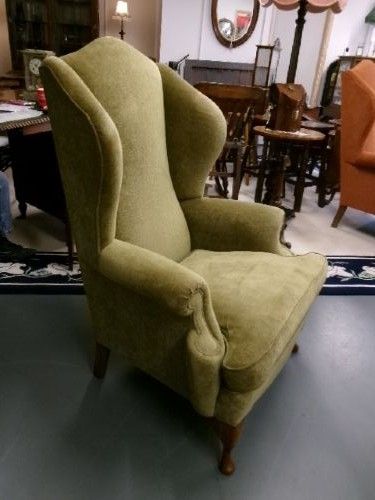
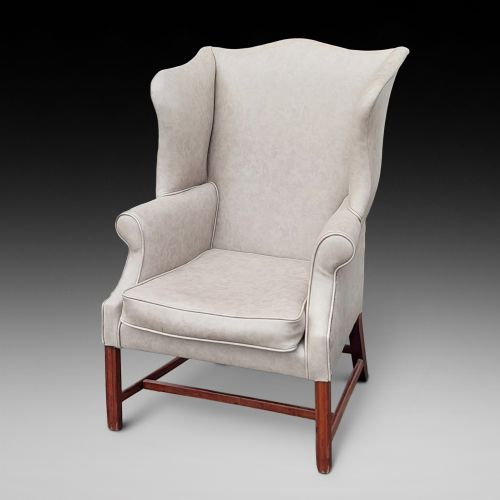
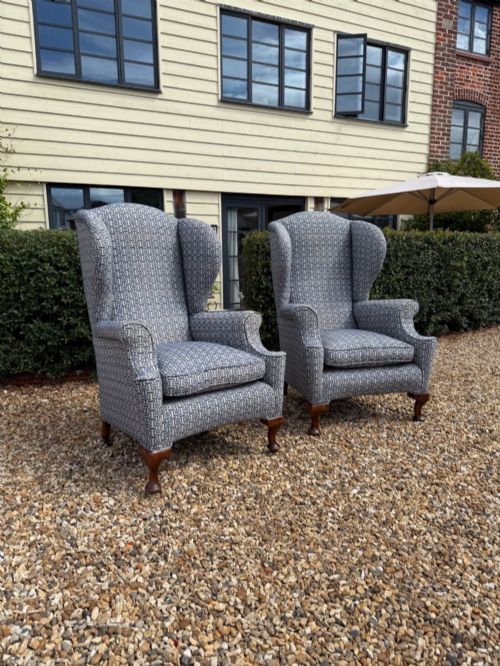
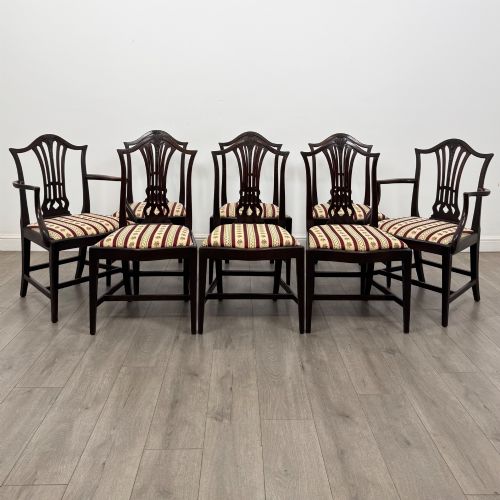
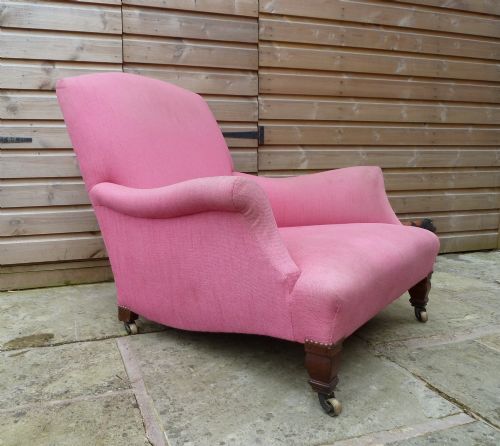
A classic upholstered chair serves as a practical seat and a focal point for interiors, drawing on designs from the Victorian, Edwardian, and Regency periods. Buyers seeking a classic upholstered chair will find a variety of forms here, including wing armchairs, library chairs, and sets of dining chairs.
Many examples showcase traditional textiles like velvet, leather, and silk, often resting on brass castors or exposed wooden legs. These seating options range from single reading chairs to large sets intended around a dining table.
Materials and construction methods
Makers built the structural frameworks of these chairs using hardwoods such as mahogany, walnut, cherry, and satinwood, frequently employing reeded or carved details on the legs and arms. Wood framing provides the necessary rigidity to support deep stuffing and heavy fabric coverings.
Upholstery techniques involve securing textiles like velvet, leather, and patterned fabric directly to the frame, sometimes accented with buttonback tufting or brass nailheads. Metal components such as brass appear on castors and decorative mounts.
Classic Upholstered Chair Retail Price Guide 2026
Typical asking prices for classic upholstered chair among the pieces listed under this phrase on Sellingantiques today, from the lower quarter to the upper quarter. They describe what is for sale here now, not the wider market.
Listings feature mahogany, walnut, velvet, leather, and brass across Victorian, Edwardian, and Regency periods.
Distinctions in craftsmanship and condition
Quality separates chairs with deeply carved frames and genuine period upholstery from later revival pieces and items requiring complete restoration. The integrity of the underlying woodwork and the precision of the joinery dictate the longevity of each seat.
Finer examples retain original show-wood surfaces and period-appropriate textiles, while others require new fabric or structural attention. The weight and grain of the timber used for the legs and frames indicate the original workshop standard.
Howard and Sons
The Classic Upholstered Chair Glossary
- Wing armchair
- A high-backed seat featuring upholstered wings designed to shield the occupant from drafts. These chairs frequently appear in Victorian and Georgian style variations.
- Bergere
- An enclosed upholstered armchair with a wooden frame, often featuring cane work or full fabric sides. French examples from the nineteenth century frequently utilise this form.
- Shield back
- A chair back shaped in the outline of a heraldic shield, popular in dining chair designs from the Georgian period. This design relies on carved mahogany frames.
- Reeded
- A decorative moulding consisting of parallel convex rows resembling reeds placed side by side. This technique appears on the legs of nineteenth-century library and dining chairs.
Classic Upholstered Chair: Frequently Asked Questions
How do I date a wing armchair?
Dating a wing armchair involves examining the stretcher arrangement, the timber grain, and the rake of the legs. Earlier pieces often display vernacular touches in the frame construction.
Upholstery methods and materials also offer clues, though many chairs have been recovered over the decades to suit changing tastes.
Are dining chairs sold individually or in sets?
Dining chairs typically appear in matched sets ranging from four to thirteen pieces, often including carvers with arms for the head of the table. These sets reflect the formal dining practices of the Regency and Victorian eras.
Individual chairs generally serve as desk chairs or salon seating rather than part of a dining group.
What is a bergere chair?
A bergere is an upholstered armchair with enclosed sides, originating in France during the eighteenth century and revived in later periods. They often feature exposed wooden frames in walnut or mahogany.
The style prioritises relaxed comfort compared to stiff parlour seating, making them suitable for drawing rooms and libraries.
How do I care for antique leather upholstery?
Antique leather requires gentle cleaning and regular conditioning to prevent the hide from drying and cracking over time. Avoiding direct sunlight and excessive heat preserves the natural flexibility of the material.
Professional conservation advice is recommended for pieces with delicate patination or original buttonback detailing.