






Classic Style Bedroom
These classic style bedroom pieces bring enduring timber grains and traditional forms to your sleeping quarters.
Classic Style Bedroom
When you search for classic style bedroom furniture, you encounter robust timber pieces rooted in historical design traditions from the eighteenth to the early twentieth century. These items furnish a sleeping space with established architectural silhouettes and time-tested joinery.
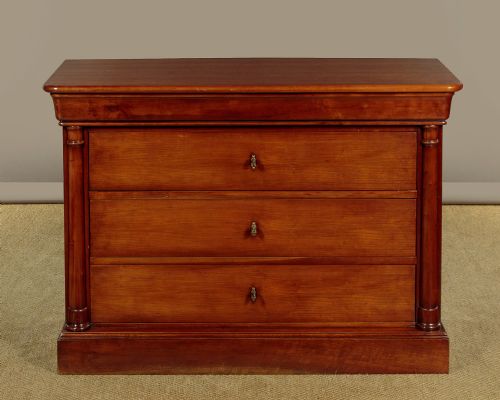
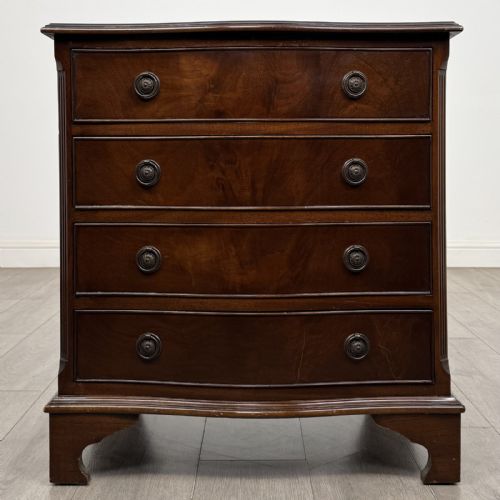
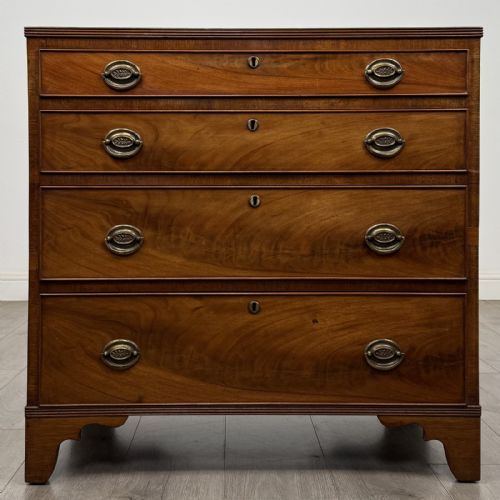
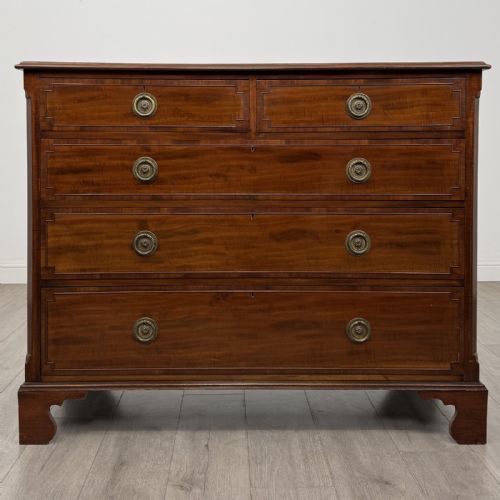
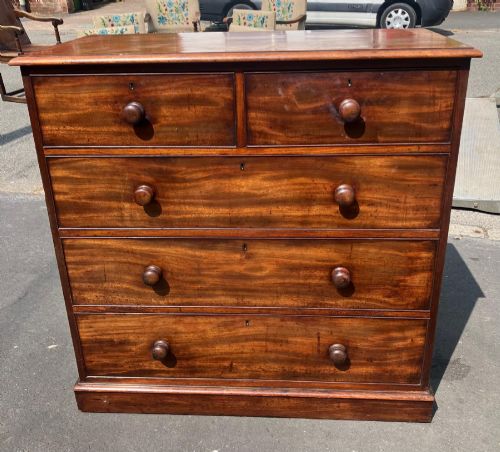
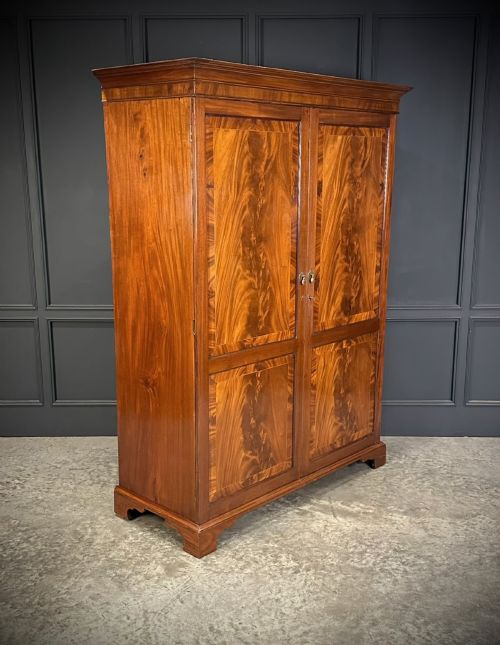
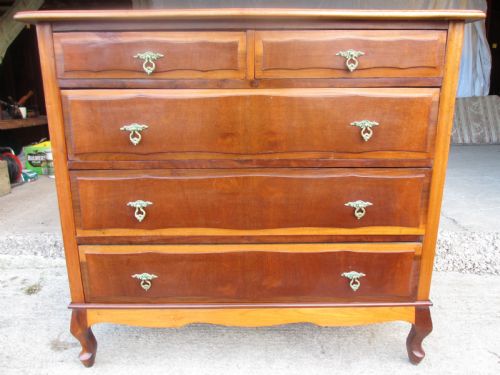
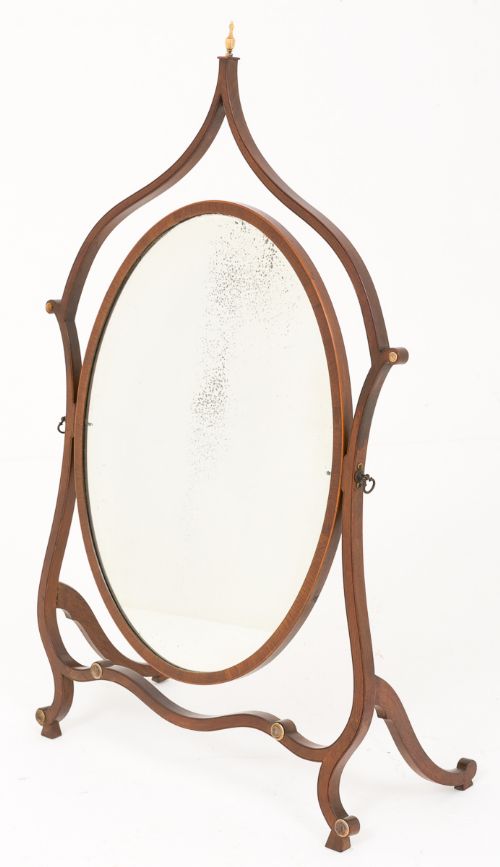
Chest of drawers forms dominate the selection, alongside bedside cabinets, wardrobes, and cheval mirrors. You frequently meet mahogany construction, often enhanced by flame veneers, boxwood inlay, or brass handles.
The aesthetic draws heavily on Georgian, Victorian, and Edwardian sensibilities, alongside French Empire and Louis XVI styling. Such pieces provide practical storage while maintaining a formal, historical presence in a modern room.
Assessing quality in traditional furniture
Quality rests in the selection of the timber, particularly the depth of flame mahogany veneer and the precision of any boxwood inlay. Superior examples show careful matching of wood grains across drawer fronts and doors.
The integrity of the construction, from the stability of the bracket feet to the smooth operation of drawers and the casting of brass handles, distinguishes standard workshop production from finer pieces.
Classic Style Bedroom Retail Price Guide 2026
Typical asking prices for classic style bedroom among the pieces listed under this phrase on Sellingantiques today, from the lower quarter to the upper quarter. They describe what is for sale here now, not the wider market.
Some wardrobes are tall enough to swallow a modern winter coat whole.
Howard & Sons
The Classic Style Bedroom Glossary
- Flame mahogany veneer
- A decorative wood slicing chosen for its distinctive swirling pattern that resembles flickering flames. This veneer is applied to primary surfaces to create striking visual movement.
- Bracket foot
- A simple, stable foot shape supporting the corners of a chest of drawers or commode. It projects outward at a right angle, often with mitred joints.
- Commode
- A low chest of drawers or cabinet, typically French in origin and occasionally fitted with a marble top. The term describes decorative storage furniture designed for formal rooms.
- Cheval mirror
- A full-length floor mirror mounted in a freestanding frame that allows the glass to swing. These swinging mirrors appeared frequently in bedrooms from the nineteenth century onward.
- Serpentine front
- A furniture front characterised by a convex centre flanked by concave curves. This undulating shape requires advanced woodworking skill to execute properly.
Classic Style Bedroom: Frequently Asked Questions
What defines a classic style bedroom?
A classic style bedroom relies on traditional wooden furniture forms originating from the eighteenth, nineteenth, and early twentieth centuries. It incorporates established timber types like mahogany and walnut alongside period design details.
The layout typically centres around substantial storage pieces such as chests of drawers and wardrobes, complemented by matching bedside cabinets and mirrors.
How do I identify a Georgian style chest?
Georgian style chests often feature solid mahogany or flame mahogany veneer, clean rectangular proportions, and bracket feet. Brass handles provide the primary hardware.
Many examples date from later revival periods rather than the eighteenth century itself, yet they maintain the same classical proportions and drawer configurations.
Where should I place a cheval mirror?
A cheval mirror requires adequate floor space in a bedroom to allow the freestanding frame to stand securely. Position it near natural light sources to make full use of the pivoting glass.
Because these mirrors are tall and heavy, ensure they rest on level flooring away from high-traffic walking paths.
How do I care for mahogany furniture?
Mahogany surfaces benefit from regular dusting with a soft, dry cloth to prevent particle accumulation. Avoid placing wooden pieces in direct sunlight or near heat sources to protect the finish.
Applying quality beeswax occasionally helps nourish the timber and maintain the natural lustre of the wood grain without building up heavy residues.