
Classic Side Table
A classic side table brings compact timber utility and period proportion to a room, offering a surface for lamps or books.
Classic Side Table
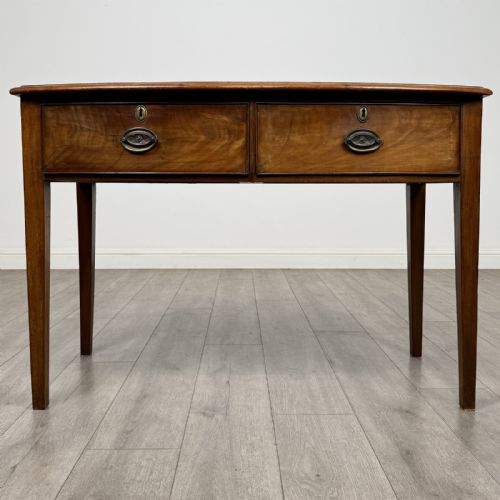
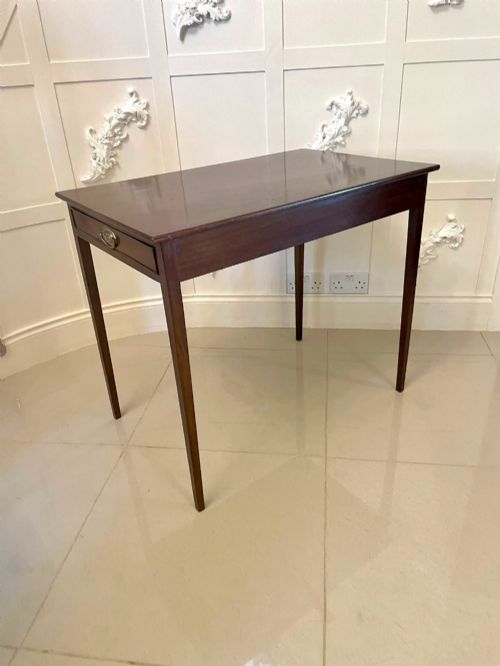
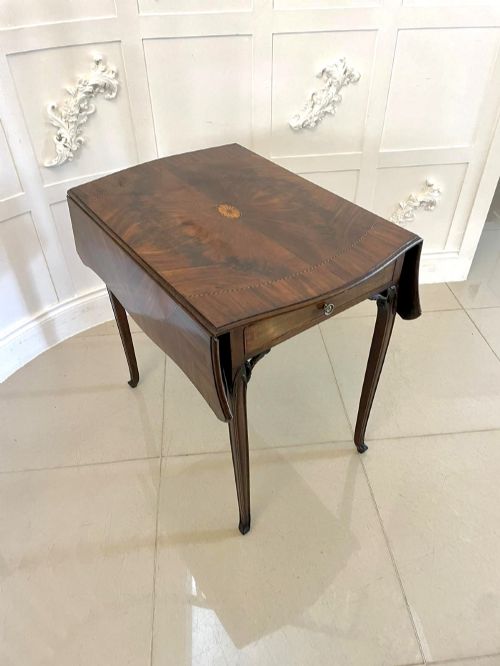
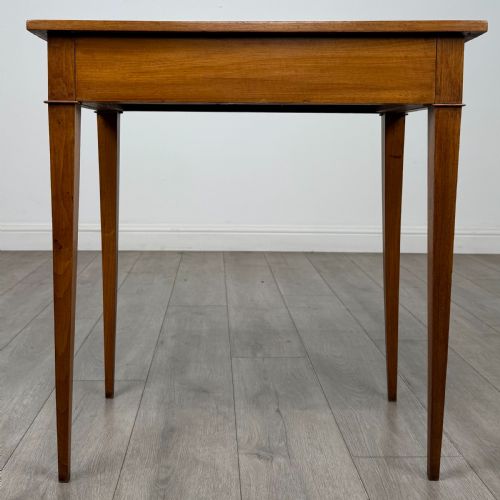
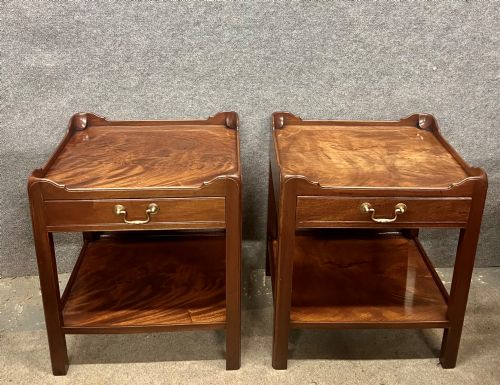
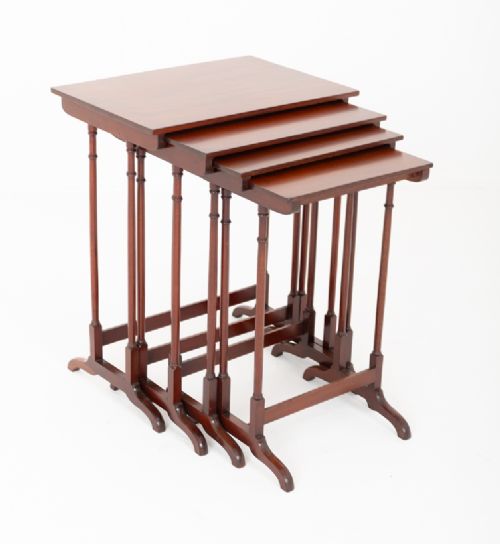
A classic side table primarily comprises timber occasional tables, Pembroke tables, and nests from Georgian, Victorian, and Edwardian eras. Buyers encounter numerous mahogany and walnut examples featuring tapered legs, tripod bases, or drop leaves designed for flexible placement.
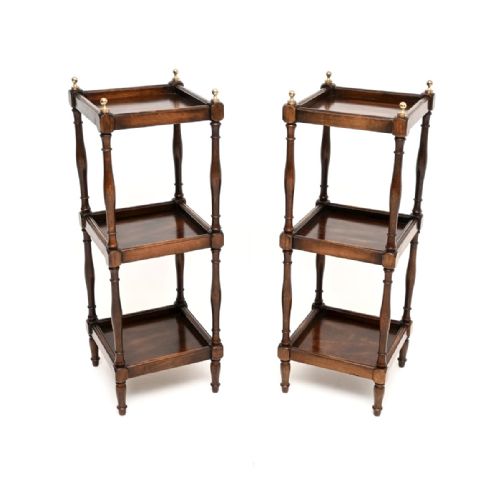
Makers adapted these forms for specific domestic duties, producing bedside cabinets, plant stands, and console tables alongside standard occasional surfaces. Construction spans the eighteenth century through to Art Deco revivals, maintaining traditional proportions across diverse scales.
How they were made
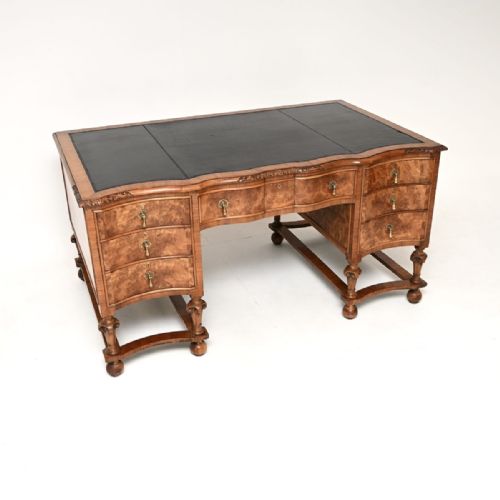
Cabinetmakers utilised solid timbers and selected veneers, notably mahogany, walnut, and satinwood, applying brass fittings, leather inserts, and marble tops for decorative contrast and functional durability. Joinery methods relied on traditional mortise and tenon framing, dovetailing for drawer construction, and stable tripod turnings.
Surfaces received hand-applied polish or wax to enhance the grain pattern of burr walnut, fiddleback sycamore, and figured mahogany. Inlaid details incorporate contrasting stringing, butterfly motifs, and marquetry borders executed by hand.
Listings feature mahogany, walnut, satinwood, and brass across Georgian, Victorian, Edwardian, and Art Deco periods.
What varies in quality
The selection of timber grain and the crispness of carved or inlaid details distinguish finer specimens from standard utility pieces. Cabinetmakers who chose highly figured veneers like burr walnut or fiddleback sycamore achieved a depth of finish that plain timber lacks.
Structural integrity depends on the precision of the joints, the weight and gauge of applied brass hardware, and the preservation of original surface patination. Secondary timbers used in drawer linings and internal framing also indicate the workshop standards of the period.
Maple and Co·Epstein and Co
The Classic Side Table Glossary
- Pembroke table
- A small occasional table featuring two hinged drop leaves supported by pivoting brackets.
- Tripod table
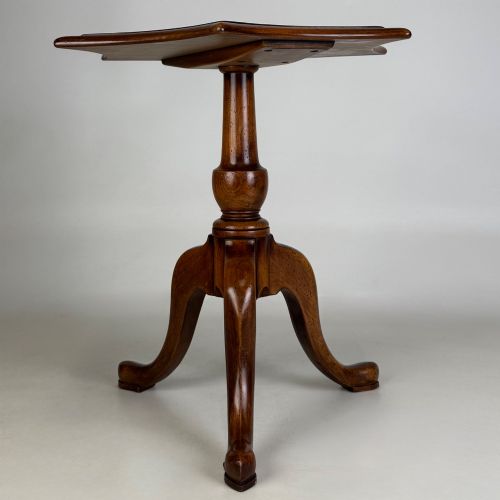
- A small circular table supported by a central pillar resting on three spreading feet.
- Nest of tables
- A set of graduated tables designed to slide neatly beneath one another when not in use.
- Stringing
- A narrow inlay of contrasting wood used to create fine decorative lines around table edges and drawer fronts.
- Patina
- The surface sheen and softening of colour developed on timber through age, handling, and regular polishing.
Classic Side Table: Frequently Asked Questions
What is a Pembroke table?
A Pembroke table is a small, versatile table featuring two hinged drop leaves on opposite sides. It was originally designed for breakfasting or writing in small spaces.
The leaves can be raised when surface area is needed and dropped to save space against a wall. Many examples include a single drawer and delicate tapered legs.
How do I date a mahogany side table?
Dating relies on examining construction methods, timber selection, and hardware styles. Georgian pieces often feature hand-cut dovetails and solid mahogany boards, while later revivals may show machine-sawn elements.
Leg profiles also offer clues, moving from cabriole legs in earlier periods to straight tapered legs and reeded columns in the nineteenth century.
What is burr walnut?
Burr walnut is a decorative wood veneer harvested from the growth excrescences on walnut trees. It displays swirling, organic grain patterns that create a highly figured surface.
Cabinetmakers utilised this timber on prominent surfaces like table tops and drawer fronts to add visual texture and luxury.
Where should I place an occasional table?
Occasional tables fit easily beside armchairs, sofas, or beds to hold lamps, books, or drinks. Their compact footprints allow them to sit in empty hallways or awkward corners.
Because many are finished on all sides, freestanding examples work well positioned away from walls in the centre of a room.