




Classic Leather Books
Classic leather books bring historical literature and stately library design together, offering tactile bindings that anchor a room.
Classic Leather Books
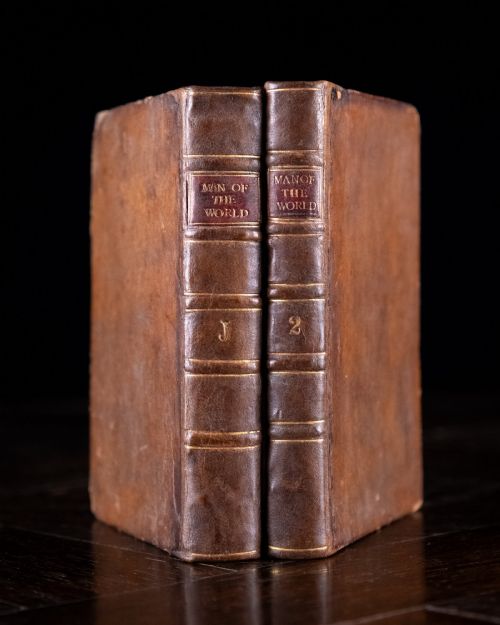
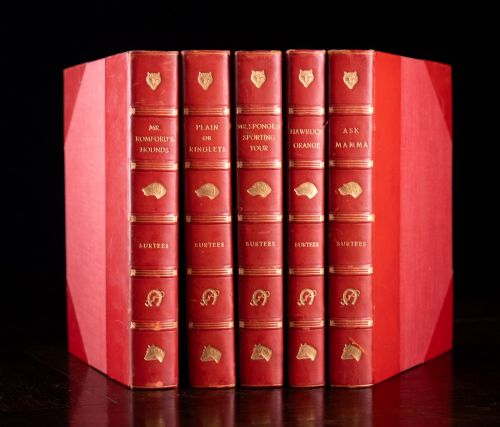
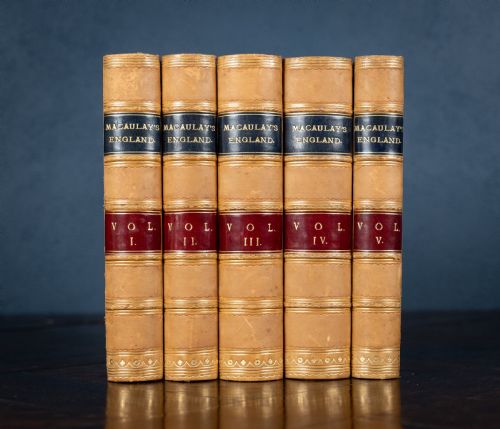
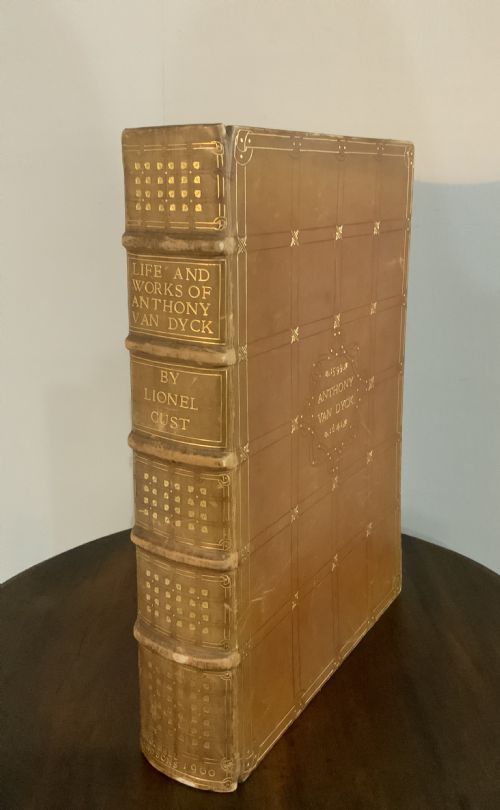
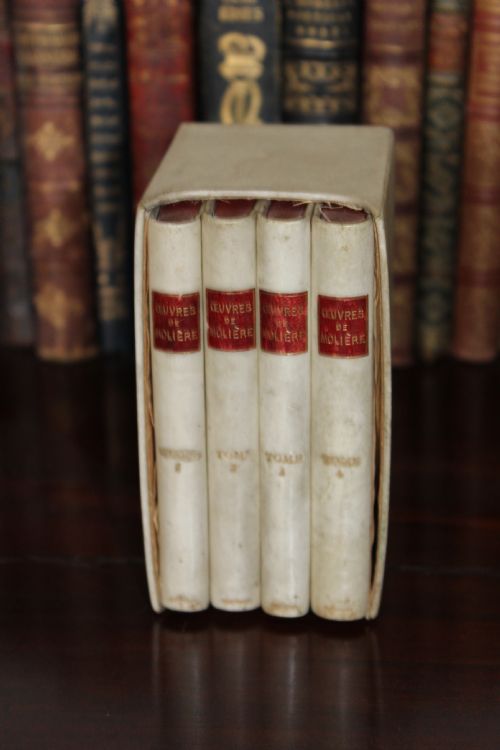
Classic leather books encompass antique volumes, multi-volume sets, and literary works housed in durable bindings. These pieces span the eighteenth, nineteenth, and early twentieth centuries, reflecting diverse publishing traditions across Britain and Europe.
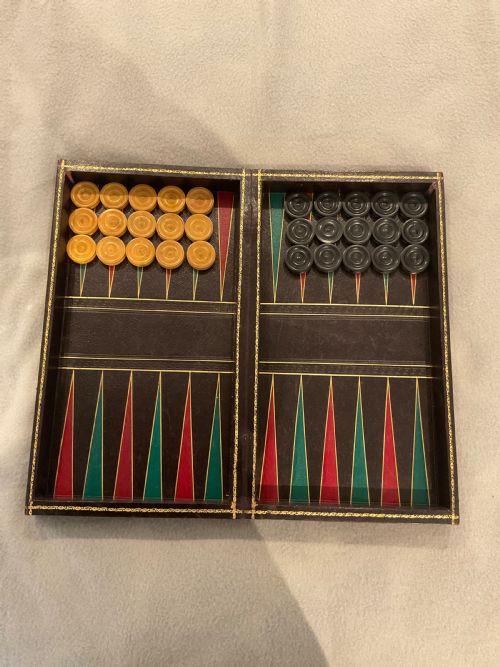
Buyers will encounter single illustrated volumes alongside extensive sets like the Waverley Novels or Shakespearean collections. Alongside actual literature, related library accessories such as mahogany library steps and leather bound faux book games boards appear within the selection.
The materials reflect traditional book production, drawing primarily on leather, calfskin, and paper, frequently enhanced with gold leaf detailing. The periods represented stretch from Georgian production through Victorian output into Edwardian editions.
Materials and Craftsmanship
Binders utilised robust materials including leather, calfskin, and vellum over paper block text, supplemented by wood and brass elements in associated library furniture. These natural hides provided the structural durability necessary for heavy everyday handling in domestic libraries.
Decoration relied heavily on gold leaf tooling applied to spines and boards, creating intricate gilt patterns that contrasted with the dark leather surfaces. Pages were bound securely using traditional stitching methods appropriate to the Georgian, Victorian, and Edwardian periods.
Classic Leather Books Retail Price Guide 2026
Typical asking prices for classic leather books among the pieces listed under this phrase on Sellingantiques today, from the lower quarter to the upper quarter. They describe what is for sale here now, not the wider market.
Some Victorian library items disguise their true purpose entirely, functioning as clever leather-bound games boards rather than reading material.
Factors of Quality
Quality rests heavily on the uniformity of binding sets and the crispness of the original gold leaf tooling. Volumes that retain their matching contemporary covers display a higher degree of preservation than those requiring later rebacking.
The legibility of typography and the preservation of paper integrity within the text blocks distinguish superior examples. Furthermore, the depth of historical provenance and the presence of original illustrations by artists such as Gustave Doré elevate the standing of a volume.
The Classic Leather Books Glossary
- Gilt tooled
- A decoration method using gold leaf pressed into leather with heated metal tools. This technique creates shimmering metallic patterns along the spine and borders.
- Rebound
- A book that has received new leather covers while retaining its original text block. This process often preserves fragile interior pages for modern display.
- Calfskin
- A smooth, fine-grained leather prepared from the skin of a calf. It provides a supple surface favoured for high-quality nineteenth-century bindings.
- Vellum
- A fine parchment prepared from calfskin or other animal skin. It offers a durable, pale writing and binding surface used in historic book production.
- Library steps
- Freestanding wooden stair units designed to reach upper bookshelves. Mahogany examples from the early twentieth century complement traditional book collections.
Classic Leather Books: Frequently Asked Questions
How should I clean antique leather bindings?
Dust bindings regularly with a dry, soft cloth to prevent particulate build-up in the grain. Avoid chemical cleaners or excessive moisture that might damage historic leather and gold tooling.
Keep volumes away from direct sunlight and radiators to stop the leather from drying out and cracking. Stable room humidity preserves both the paper text blocks and the outer skins.
Can I read these antique books?
Most volumes remain structurally sound for careful reading, provided you support the spine when opening the covers. Multi-volume sets from the nineteenth century handle standard use well if opened gently.
Very fragile or scarce first editions warrant gentle handling to protect aged paper and historic stitching. Using a book cradle reduces stress on the binding during extended reading sessions.
How do I identify a complete book set?
Check the volume numbering on the spines against the title page indices to confirm every part is present. Uniform bindings and matching publisher publication dates across all volumes indicate an original set.
Look for consistent paper stock and typography throughout the individual books. Inconsistent heights or varied leather shades often suggest assembled rather than original sets.
What is the difference between calfskin and standard leather?
Calfskin is a lighter, finer leather derived from younger cattle, offering a smoother surface for intricate gilt tooling. Standard leather bindings often utilise thicker cowhide designed for heavy, utilitarian library use.
Calfskin frequently appears on luxury poetry editions and French texts from the nineteenth century. Thicker leathers protected large reference works and multi-volume historical accounts.