




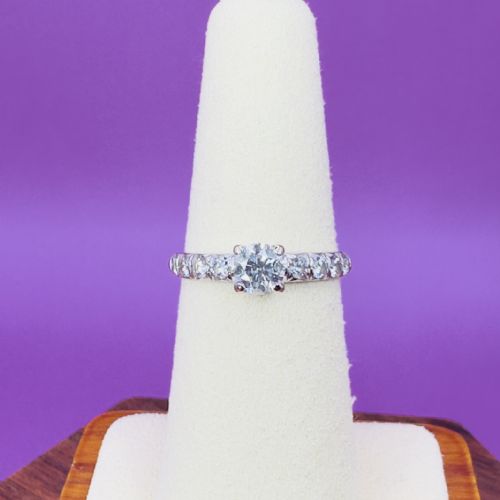


Classic Gold Ring
A classic gold ring carries the weight of decades, offering enduring style through plain bands, glittering diamonds, and vibrant gemstones.
Classic Gold Ring
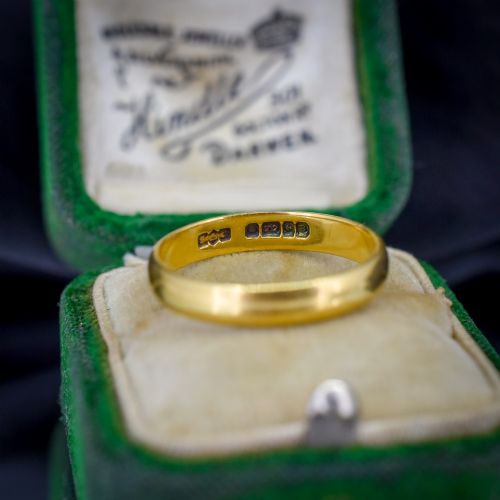
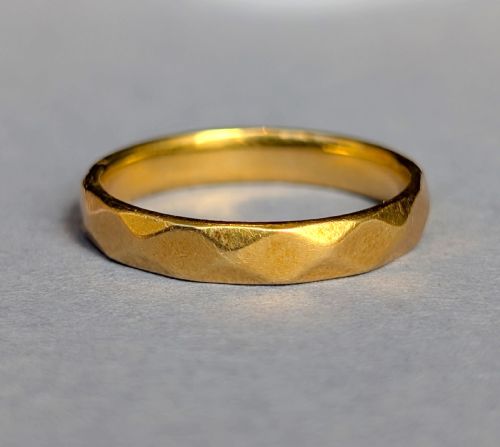
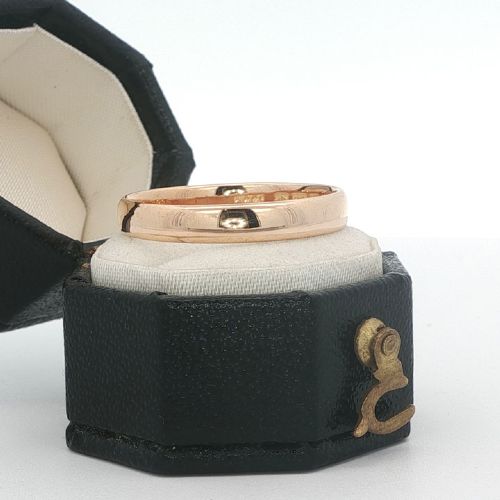
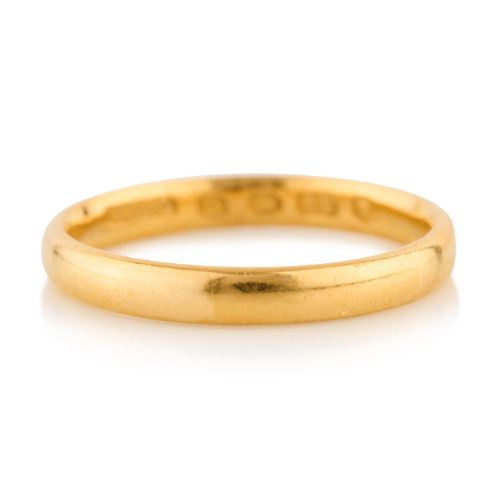
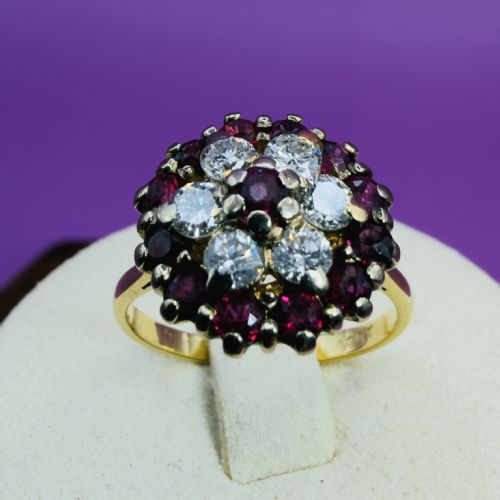
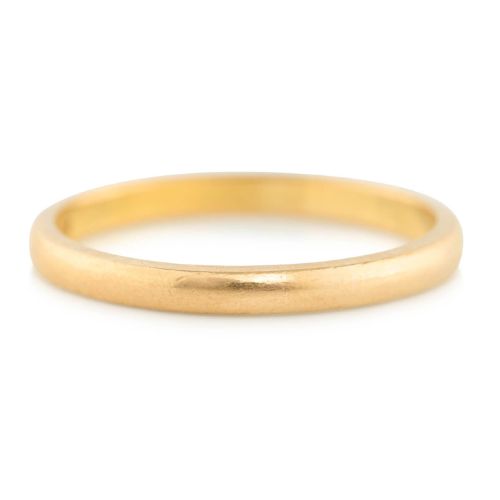
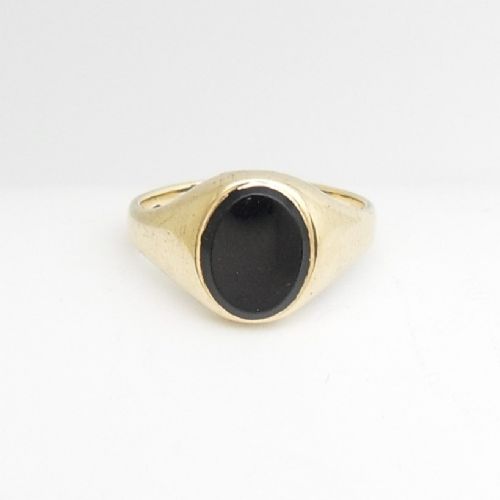
A classic gold ring encompasses several distinct forms, most commonly appearing as plain wedding bands, diamond engagement rings, multi-stone cluster arrangements, and half eternity bands. These pieces span multiple decades, drawing on designs from the 1920s, 1930s, 1940s, 1950s, 1960s, and later periods.
Plain bands rely on the simple warmth of high-purity yellow gold, while engagement and dress rings incorporate diamonds, sapphires, rubies, emeralds, and amethysts. Buyers often meet traditional wedding bands alongside mid-century diamond solitaires and structured art deco designs.
The origin of these rings reflects British and international manufacturing traditions, frequently bearing hallmarks from assay offices like London. Styles range from minimalist stacking rings to elaborate cluster and trilogy configurations set in white gold, yellow gold, or platinum.
Materials and Technique
Makers utilise high-purity precious metals, predominantly 22ct gold, 18ct yellow and white gold, 9ct gold, and platinum, often pairing them for structural strength and colour contrast. Platinum frequently secures diamonds in settings, while yellow and white gold form the shanks and body of the band.
Gemstones such as diamonds are shaped using period cuts, including old cut, transitional cut, and oval cut, which sit securely in claw, bezel, or cluster settings. Plain wedding bands demonstrate traditional forming and hallmarking techniques, reflecting the standards of their respective decades.
Classic Gold Ring Retail Price Guide 2026
Typical asking prices for classic gold ring among the pieces listed under this phrase on Sellingantiques today, from the lower quarter to the upper quarter. They describe what is for sale here now, not the wider market.
Materials documented across the inventory include diamonds, sapphires, rubies, emeralds, and amethysts set in yellow and white gold.
Quality and Construction
The calibre of a classic gold ring rests on the integrity of its metalwork and the weight of the gold used in the band. Heavier gauges of 22ct or 18ct gold resist thinning over generations, whereas lighter or worn shanks indicate extensive past resizing and everyday wear.
Stone selection and setting security dictate the upper tier of the range. Masterful claw or bezel work keeps old cut diamonds and coloured gems firmly aligned, while well-matched stones in half eternity and cluster rings demonstrate superior lapidary selection.
W. E. D. L
The Classic Gold Ring Glossary
- Hallmark
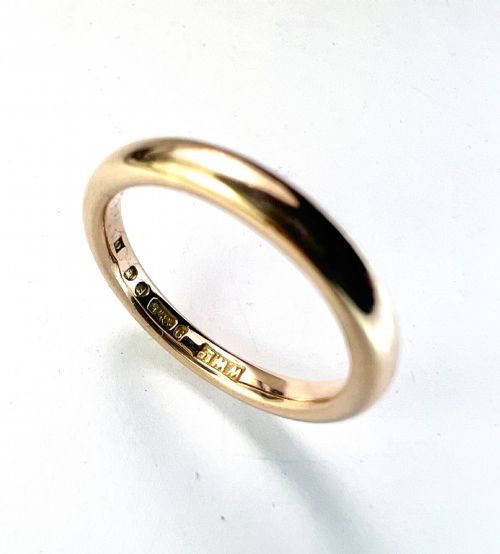
- An official stamp applied to precious metals indicating purity, origin, and the year of assay. These marks provide definitive proof of a ring's manufacturing period.
- Trilogy Ring
- A ring featuring three main gemstones, traditionally representing the past, present, and future. They frequently combine diamonds with sapphires or rubies.
- Half Eternity Ring
- A band set with a continuous line of gemstones across the upper half of the hoop. This design balances finger coverage with daily comfort.
Classic Gold Ring: Frequently Asked Questions
Can I wear a classic gold ring every day?
These rings were built for daily life, particularly sturdy plain bands and robust gold settings. Higher carat gold is softer, so heavier bands handle constant wear with ease.
Gemstone rings require slightly more care, especially softer stones like emeralds or amethysts. Regular checks on the settings help ensure the stones remain secure.
How do I know the age of my ring?
Hallmarks stamped inside the band often provide the exact year of assay and the workshop responsible. Stylistic clues, such as art deco geometric lines or mid-century cluster settings, also point to specific decades.
Comparing the stone cuts, such as transitional or old cut diamonds, helps narrow down the era of manufacture.
Are these rings suitable for modern engagements?
Vintage and antique engagement rings offer distinctive character that modern mass-produced jewellery rarely matches. Old cut diamonds and platinum settings provide a unique aesthetic for proposals.
Many styles, including solitaires and trilogy rings, pair easily with traditional wedding bands.
What is the difference between yellow and white gold?
Yellow gold achieves its warm hue through an alloy of gold combined with copper and silver. White gold mixes gold with white metals like palladium or silver to create a silvery tone.
Both maintain durability, allowing buyers to choose the metal colour that best complements their personal jewellery collection.