



Classic Georgian Dresser
A classic georgian dresser is a solid timber chest of drawers built for daily use, offering deep storage and balanced proportions.
Classic Georgian Dresser
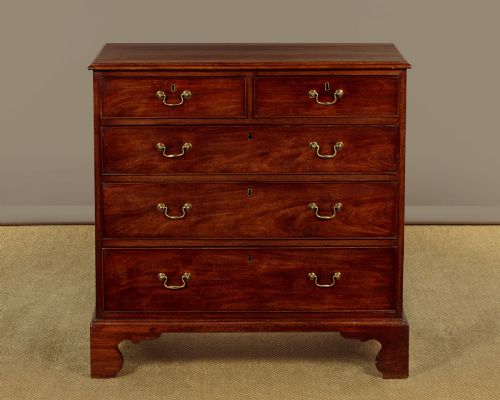
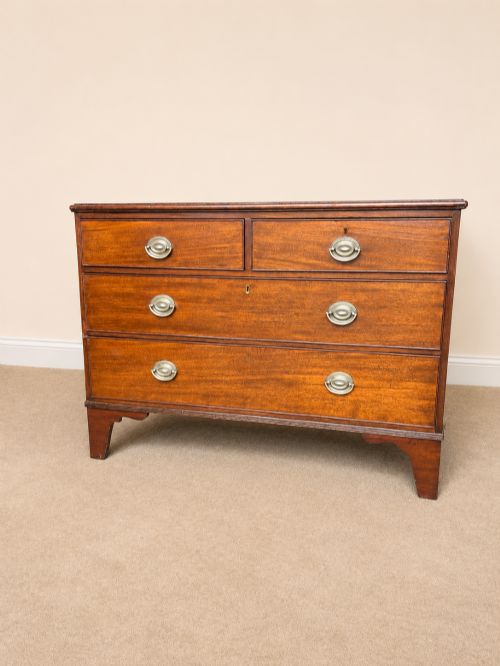
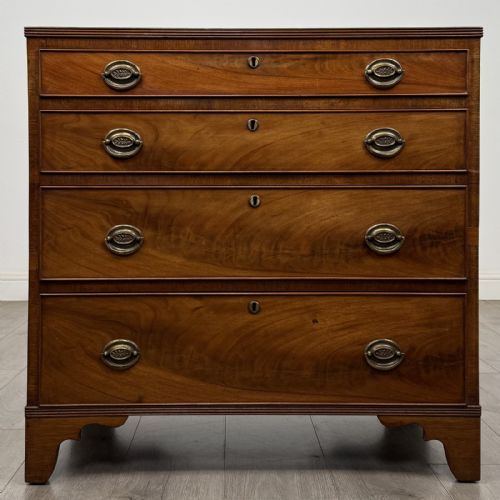
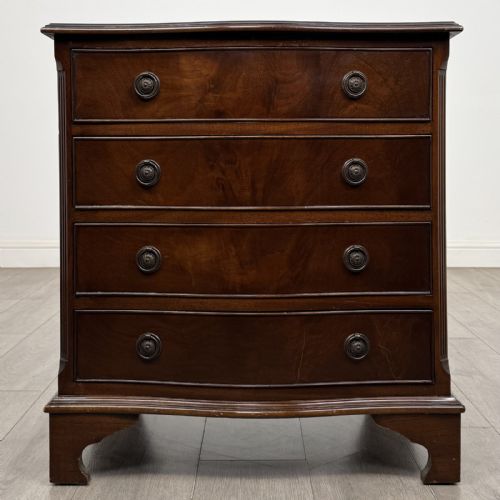
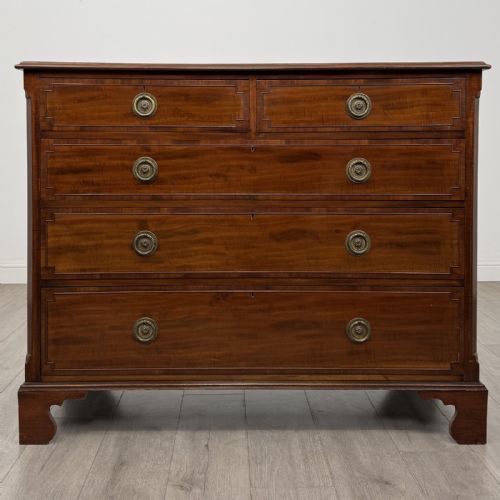
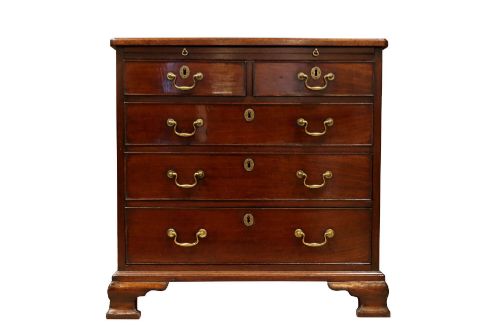
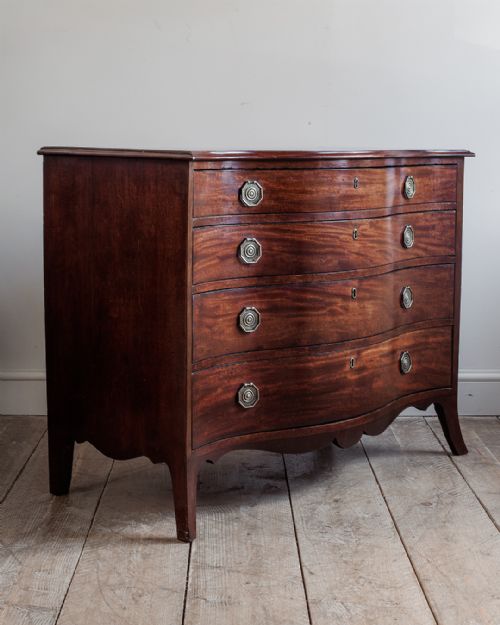
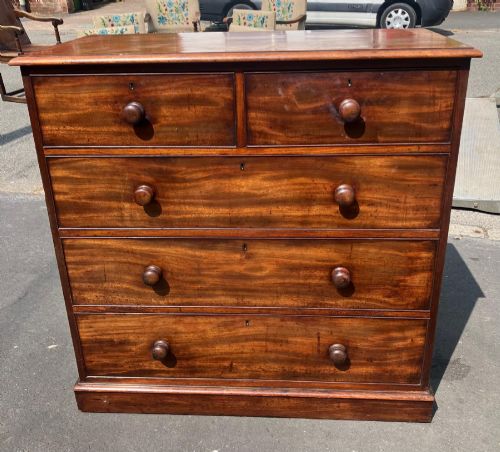
A classic georgian dresser on this page typically appears as a mahogany chest of drawers, often featuring a straight or bow front profile. These pieces originated during the eighteenth and nineteenth centuries, taking forms such as small chests with brushing slides or larger serpentine commodes.
Makers and cabinetmakers of the period constructed these storage items to serve bedrooms and living spaces with functional elegance. The selection ranges from authentic eighteenth-century examples to later revival pieces from the early twentieth century.
Buyers will encounter various stylistic interpretations, including George III designs alongside Regency and Victorian adaptations. Each version retains the characteristic proportion and arrangement of graduated drawers inherent to the form.
What varies in quality
The standard of timber selection marks the difference between basic utility items and finer commissions, particularly where matched flame veneers or figured walnut are employed. Cabinetmakers who spent extra time aligning grain patterns achieved a more cohesive visual result across the drawer facade.
Subtlety in proportion and the crispness of edge moulding separate standard workshop production from superior examples. The execution of fitted components, such as a sliding brushing shelf or hand-cut dovetails within the drawers, demonstrates the original maker's capability.
Classic Georgian Dresser Retail Price Guide 2026
Typical asking prices for classic georgian dresser among the pieces listed under this phrase on Sellingantiques today, from the lower quarter to the upper quarter. They describe what is for sale here now, not the wider market.
Listings feature pieces spanning the eighteenth century through to the Edwardian era, incorporating mahogany, walnut, oak, and pine.
C. Hindley
The Classic Georgian Dresser Glossary
- Brushing slide
- A pull-out shelf located above the top drawers, traditionally used for folding clothes or writing notes without opening the main storage space.
- Serpentine front
- A furniture front curving outward in the centre and inward at the sides, demanding advanced woodworking skill to shape accurately.
- Bow front
- A convex curved front profile popular during the Georgian and Regency periods that softens the room's angles.
- Bracket foot
- A foot shape resembling a bracket, supporting the corners of case furniture with clean architectural lines.
- Flame mahogany veneer
- A thin slice of timber cut from the fork of the mahogany tree, showing a distinctive flickering flame pattern.
Classic Georgian Dresser: Frequently Asked Questions
How do I spot a real Georgian chest?
Examine the timber choices and construction methods visible inside the drawers, noting the use of oak or pine linings alongside hand-cut dovetails. Period pieces display specific ageing characteristics in the wood and fixings that later reproductions struggle to replicate.
Check the overall proportions and the integration of feet and mouldings, as eighteenth-century makers followed strict rules of symmetry and balance. Genuine examples often show minor inconsistencies from hand-tooling rather than machine perfection.
Where should I place a bow front chest?
A bow front chest works well in a hallway or bedroom where its curved projection softens the flow of foot traffic around the room. Because the front extends outward, ensure there is adequate clearance from doors or surrounding furniture.
These pieces also function effectively as bedside storage or as a focal point beneath a mirror in a living space. Their finished backs and polished timber surfaces allow them to sit comfortably away from walls in larger rooms.
What is a brushing slide used for?
The pull-out slide served as a convenient surface for folding garments or sorting papers in the bedroom without needing a separate desk. Eighteenth-century users valued this practical feature for everyday dressing routines.
Today, the slide provides a useful temporary resting spot when displaying decorative items or organising belongings on top of the chest. It remains a hallmark of better-quality cabinet making from the period.
How do I care for antique mahogany timber?
Protect the wood by keeping the chest away from direct heat sources and strong sunlight, which can dry out the timber and fade the polish. Maintain a stable indoor environment to prevent the solid wood and veneers from shifting.
Dust the surface regularly with a soft, dry cloth and avoid silicone-based polishes that build up a residue over time. Occasional gentle waxing helps nourish the grain and preserves the depth of the finish.