



Classic Foyer Lights
Classic foyer lights are grand hanging fixtures designed to illuminate entrance halls, featuring period brass and crystal work that immediately sets a distinguished tone.
Classic Foyer Lights
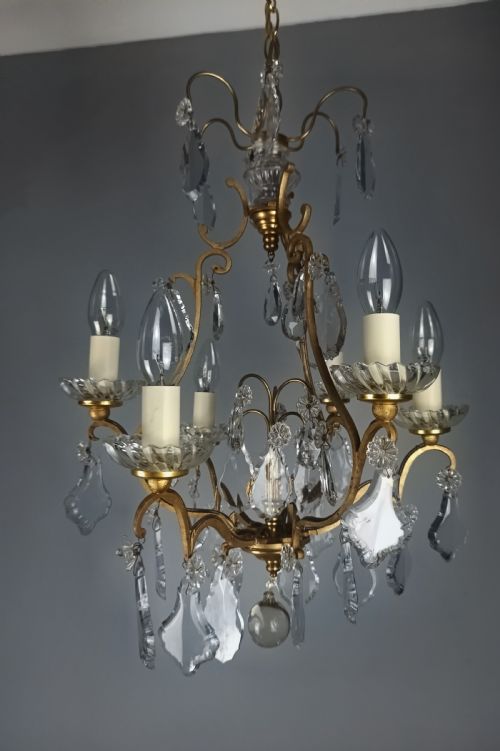
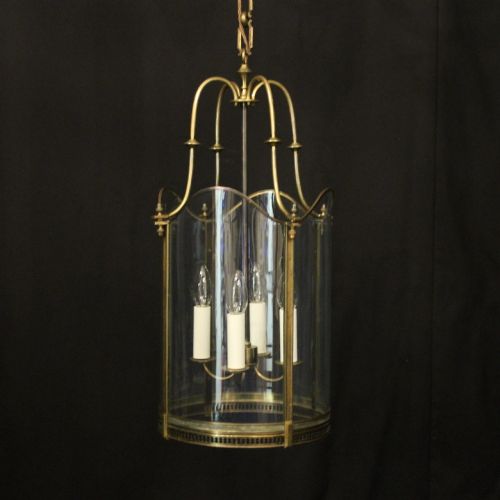
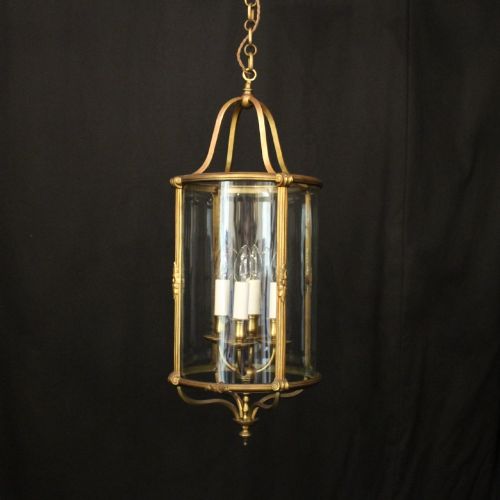
Classic foyer lights encompass a refined selection of ceiling fixtures tailored for entrance spaces, spanning from the Edwardian era through the 1920s and 1930s. Buyers browsing this category will most frequently encounter French hanging lanterns and birdcage chandeliers rather than standard domestic flush mounts.
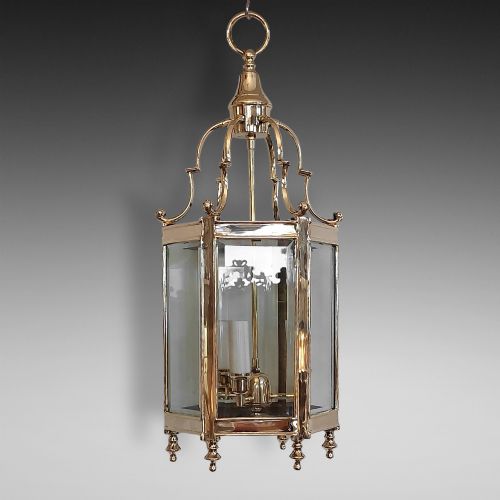
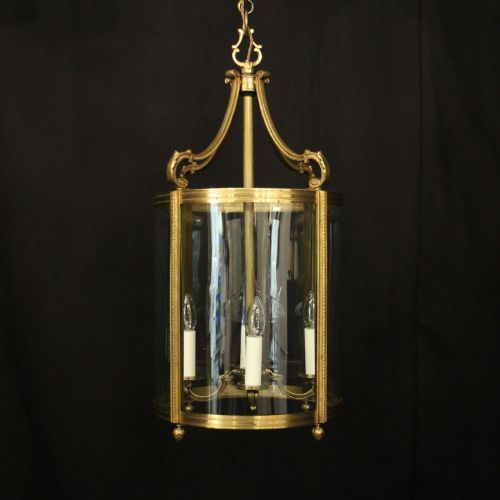
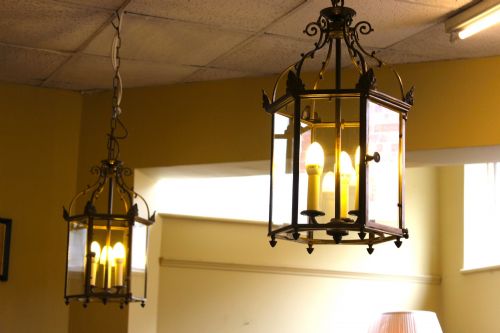
The dominant forms in this group include hexagonal and convex hall lanterns alongside multi-light chandeliers rendered in brass, bronze, and gilt metal. These pieces reflect specific historical design revivals, notably French Neoclassical, Rococo Revival, and Chateau styles adapted for prominent entryways.
How they were made
Makers constructed these fixtures primarily using cast brass, gilt bronze, and gilt metal to form robust structural frames that could support intricate glass panels. Frameworks often incorporate detailed metalwork consistent with Edwardian and early twentieth-century metal-casting traditions.
Glazing techniques involve fitted bevelled or convex glass panels secured within metal cages, paired with internal crystal droplets and bead strands. Metal surfaces frequently received gilt finishes to enhance their reflective properties under gas or early electric illumination.
Classic Foyer Lights Retail Price Guide 2026
Typical asking prices for classic foyer lights among the pieces listed under this phrase on Sellingantiques today, from the lower quarter to the upper quarter. They describe what is for sale here now, not the wider market.
Materials documented across these fixtures include brass, crystal, glass, gilt bronze, gilt brass, and gilt metal.
What varies in quality
The distinction between standard examples and superior pieces rests largely on the crispness of the cast metal ornamentation and the weight of the bronze or brass framework. Finely chased mounts and substantial gauge metal indicate a higher grade of manufacture intended for grand architectural settings.
Quality also manifests in the clarity and cut of the glass panels and crystal elements, where heavier, bevelled, or convex glass denotes superior craftsmanship. The integration of structural components without visible structural compromises separates exceptional examples from ordinary production.
The Classic Foyer Lights Glossary
- Birdcage chandelier
- A chandelier style characterised by a vertical metal frame shaped vaguely like a birdcage, strung with crystal beads and drops. This form gained popularity in French lighting design.
- Gilt bronze
- Metal cast from a copper and tin alloy then treated with a gold wash or mercury gilding to impart a rich golden surface. It provides both durability and decorative sheen.
- Convex glass
- Glass panels curved outward during manufacture to distort reflections subtly and expand the visual breadth of a lantern. It appears frequently in hall lanterns from the early twentieth century.
- Hexagonal lantern
- A hanging light fixture featuring six distinct glass-sided panels arranged around a central vertical axis. This geometry allows light to project evenly across an entrance hall.
Classic Foyer Lights: Frequently Asked Questions
What periods do these lights cover?
The lighting fixtures in this selection primarily span the Edwardian period, the 1910s, 1920s, 1930s, and selected nineteenth-century revivals. They reflect the architectural tastes of those specific decades.
Buyers will find that French Neoclassical and Rococo Revival influences heavily shape the design vocabulary across these chronological brackets.
How were these lanterns originally used?
These fixtures were hung centrally in entrance halls, foyers, and stairwells to provide both ambient and task illumination for arriving guests. Their prominent placement made them a primary focal point of domestic interior architecture.
Many incorporated multiple light sources or were later adapted from gas to electric operation while retaining their original suspension points.
What materials are most common?
Brass, gilt bronze, and gilt metal form the primary structural frameworks for these hanging lights. Glass panels and crystal elements complete the physical construction.
Combinations of heavy cast metals and transparent or convex glass panes define the visual weight of these pieces.
How do I distinguish French styles here?
French styles in this selection typically exhibit either the restrained symmetry of Neoclassical design or the more ornate, flowing ornamentation of Rococo Revival and Chateau aesthetics. Gilding and crystal detailing often accompany these continental forms.
Edwardian alternatives tend toward structured geometric shapes like hexagonal brass lanterns rather than elaborate cast bronze scrollwork.