





Classic English Sofa
A classic English sofa brings timeless comfort and traditional style to a room, offering enduring seating through historic forms.
Classic English Sofa
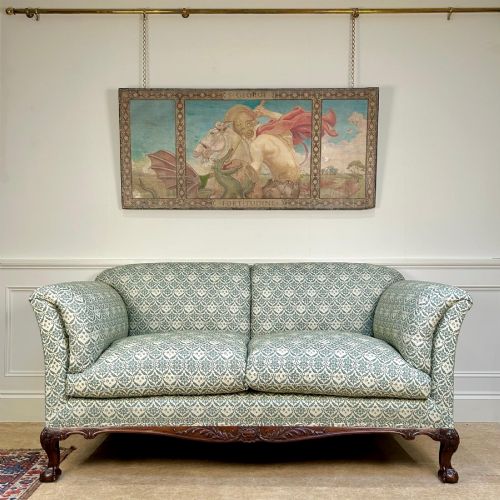
A classic English sofa encompasses traditional seating forms found across the nineteenth century, Edwardian era, and nineteen-thirties. Buyers searching for a classic English sofa typically encounter upholstered settees and club designs rooted in country house aesthetics.
The pieces listed on this page span several distinct periods, most notably the nineteenth century, Edwardian period, and nineteen-thirties. Common styles include Victorian, Regency, traditional English, and English country house designs.
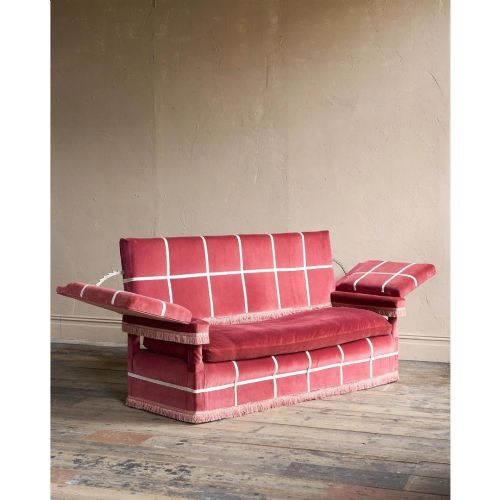
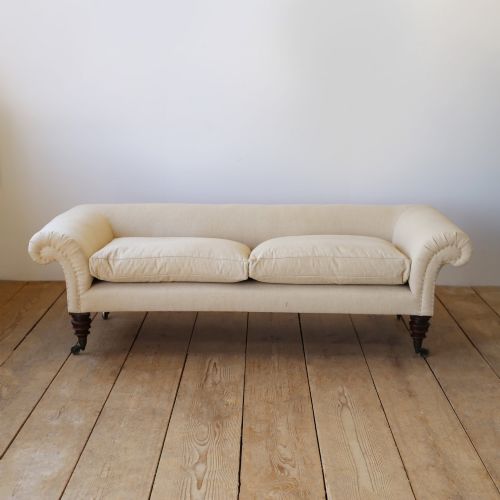
Forms range from traditional Knole sofas and Chesterfield settees to compact Howard and Sons walnut sofas. Occasional related objects such as nineteenth-century English school portraits also appear among the listings.
How they were made
Construction relies on sturdy frames built from hardwood and timber, providing the foundational structure for heavy daily use. Metal and brass components frequently appear in the underlying framework and detailing of these traditional seats.
Upholstery techniques involve traditional stuffing materials such as horsehair, paired with fully loose coil springing to ensure lasting support. Outer coverings utilise tactile finishes including hand-dyed leather, velvet, fabric, claret red velvet, and gold damask.
Classic English Sofa Retail Price Guide 2026
Typical asking prices for classic english sofa among the pieces listed under this phrase on Sellingantiques today, from the lower quarter to the upper quarter. They describe what is for sale here now, not the wider market.
The page includes traditional furniture forms alongside a nineteenth-century portrait of novelist Catherine Hutton.
What varies in quality
Quality rests upon the integrity of the underlying hardwood frame and the execution of traditional upholstery methods like horsehair stuffing and coil springing. Pieces displaying robust timber construction and meticulous hand-dyed leather or fabric finishes stand apart.
Provenance and maker attribution elevate certain examples, particularly those originating from established workshops like Howard and Sons. The richness of the textile coverings, from gold damask to claret red velvet, further distinguishes finer specimens.
Howard and Sons
The Classic English Sofa Glossary
- Chesterfield
- A traditional upholstered sofa characterised by deep button tufting and rolled arms of equal height. It remains a staple of nineteenth-century and early twentieth-century seating.
- Knole sofa
- An early form of settee featuring hinged or adjustable sides that can be lowered or raised upright. They are traditionally upholstered in rich fabrics such as damask or velvet.
- Edwardian
- Pertaining to the decorative arts and furniture styles of the Edwardian era, spanning the early twentieth century. Pieces from this period often display lighter proportions than their Victorian predecessors.
- Regency
- A stylistic period drawing on neoclassical motifs and ancient Greek and Roman forms. It influences traditional English furniture design with clean lines and classical ornamentation.
Classic English Sofa: Frequently Asked Questions
What defines a classic English sofa?
A classic English sofa is defined by traditional forms such as the Knole, Chesterfield, or country house settee, utilising historic materials like hardwood and horsehair.
These pieces reflect distinct periods including the nineteenth century, Edwardian era, and nineteen-thirties, embodying traditional English and Victorian styles.
What is a Knole sofa?
A Knole sofa is an early historic form featuring distinctive high sides that are traditionally hinged or adjustable.
They are frequently upholstered in rich textiles such as velvet or damask, reflecting their country house origins.
Where were these sofas used?
These sofas were primarily designed for the principal rooms of traditional English country houses and town residences.
They provided formal yet comfortable seating tailored to the domestic interiors of the nineteenth and early twentieth centuries.