

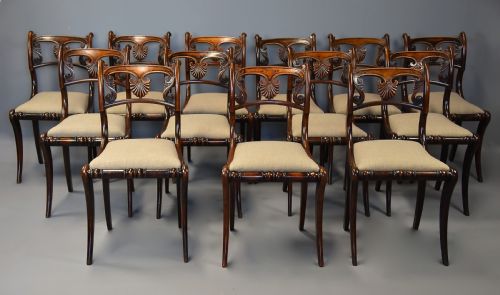


Classic Dining Set
These classic dining set options bring period character to the table, ranging from Regency mahogany to Art Deco burr maple.
Classic Dining Set
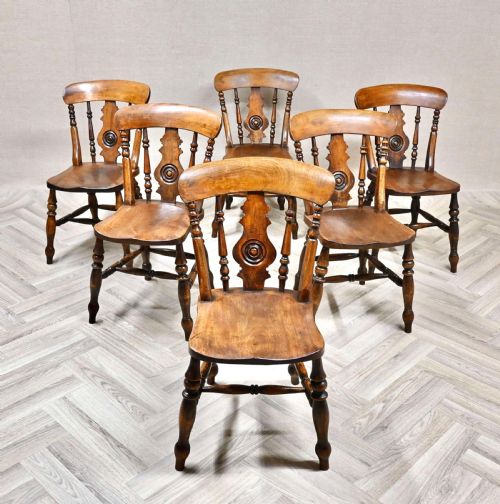
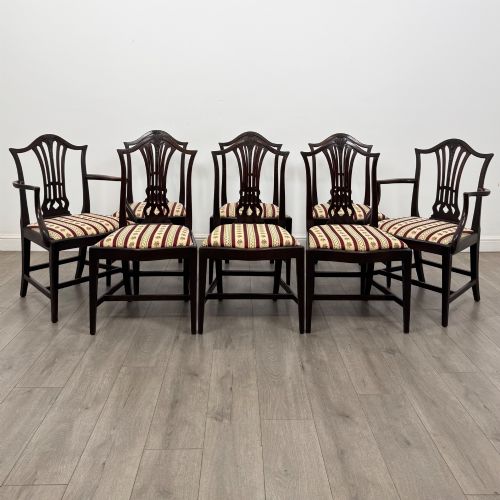
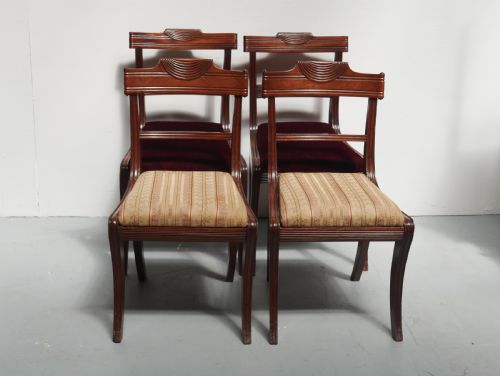
A classic dining set comprises matching chairs, suites, or table accessories originating from periods such as the Regency, Victorian era, and the early twentieth century. Buyers seeking a classic dining set will frequently encounter chairs fashioned in mahogany, beech, or cherry, often arranged in groups ranging from four to thirteen pieces.
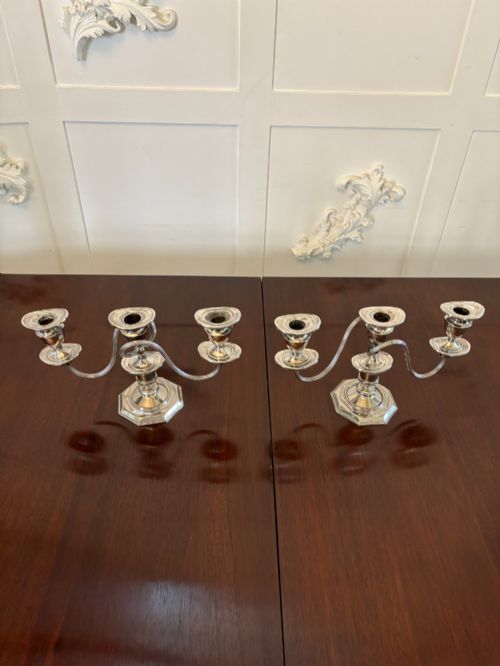
The selections span distinct historical aesthetics, including Hepplewhite, Queen Anne style, William IV, and Edwardian designs. Alongside seating, the category extends to associated dining items such as silver plated candelabras and etched finger bowls.
How they were made
Cabinet makers utilised timbers such as mahogany, beech, and burr maple, sometimes employing simulated rosewood finishes to achieve rich surface textures. Upholstered elements incorporate fabrics, textiles, leather, and velvet to provide comfort alongside rigid wooden frames.
Decorative detailing relies on specialised craftsmanship, demonstrated through shield backs, Greek key etchings on glass, and silver plating on metalware. Construction methods follow traditional joinery appropriate to each respective period, from the early nineteenth century through to the nineteen-forties.
Classic Dining Set Retail Price Guide 2026
Typical asking prices for classic dining set among the pieces listed under this phrase on Sellingantiques today, from the lower quarter to the upper quarter. They describe what is for sale here now, not the wider market.
Victorian diners once dipped their fingers into etched glass bowls between courses, proving table manners had plenty of sparkle.
What varies in quality
The degree of refinement in timber selection and carving execution distinguishes standard examples from exhibition grade suites. Greater attention to historical proportion and decorative nuance elevates certain sets above utilitarian production.
Consistency across a complete suite remains central, as matched groupings require uniform timber grain and identical stylistic motifs across every chair. The integrity of original upholstery materials and secondary decorative elements also influences the standing of individual pieces.
The Classic Dining Set Glossary
- Shield back
- A chair back design shaped in the outline of a shield, popular in eighteenth and nineteenth century seating. This form often incorporates carved splats and symmetrical woodwork.
- Carver
- An armchair designed to sit at the head of a dining table, traditionally matching the smaller side chairs in a set. These pieces feature integrated armrests for added comfort.
- Silver plate
- A thin layer of silver applied to a base metal object, commonly utilised for decorative dining ware such as candelabras. This technique provided the appearance of solid silver at a lower cost.
- Finger bowl
- A small bowl filled with water, placed before diners between courses for rinsing the fingers. Victorian examples frequently display decorative surface etching.
- Simulated rosewood
- A painted or stained wood finish designed to imitate the dark grain and rich colour of genuine rosewood. Cabinet makers used this method on alternative timbers to achieve an expensive aesthetic economically.
Classic Dining Set: Frequently Asked Questions
How many chairs are in a standard set?
Sets vary widely in size, appearing in groupings of four, six, eight, ten, twelve, or thirteen pieces.
Buyers select the count that suits their dining space and the seating capacity required for their table.
What periods do these dining pieces cover?
The available pieces span from the early nineteenth century through the Victorian era, Edwardian period, and into nineteen-forty Art Deco designs.
Each era brings distinct stylistic signatures, from Regency proportion to twentieth-century burr maple veneers.
Can I find matching tables with these chairs?
The listings focus primarily on chairs, dining suites, and table accessories such as candelabras and finger bowls rather than standalone tables.
Suites typically group matching seating options together for a cohesive room layout.