

Classic Crystal Chandelier
A classic crystal chandelier brings genuine weight and reflected light to a high ceiling, drawing the eye upwards with cut drops and polished metal frames.
Classic Crystal Chandelier
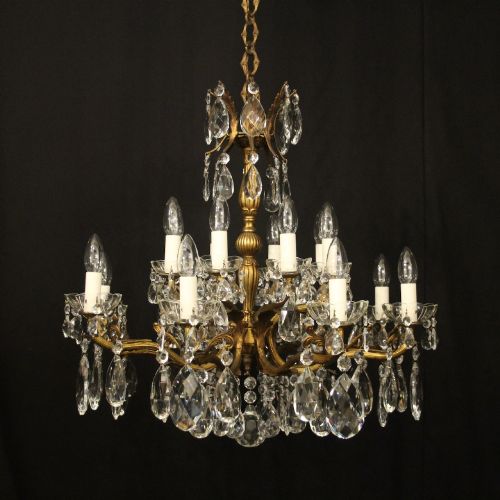
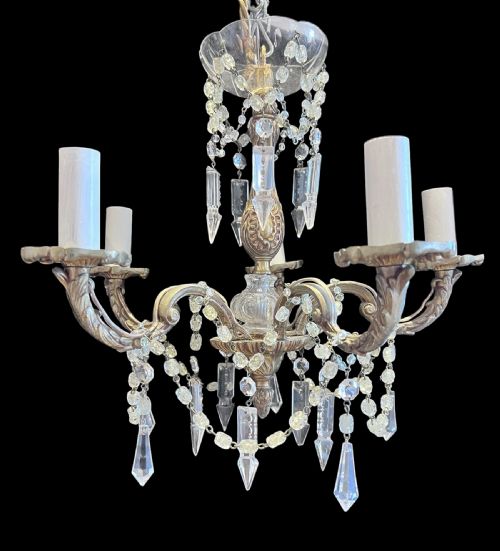
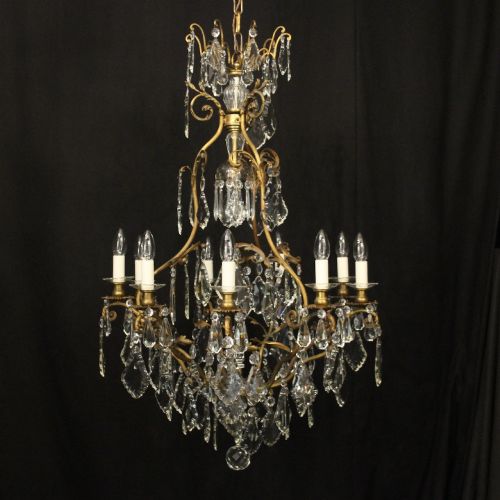
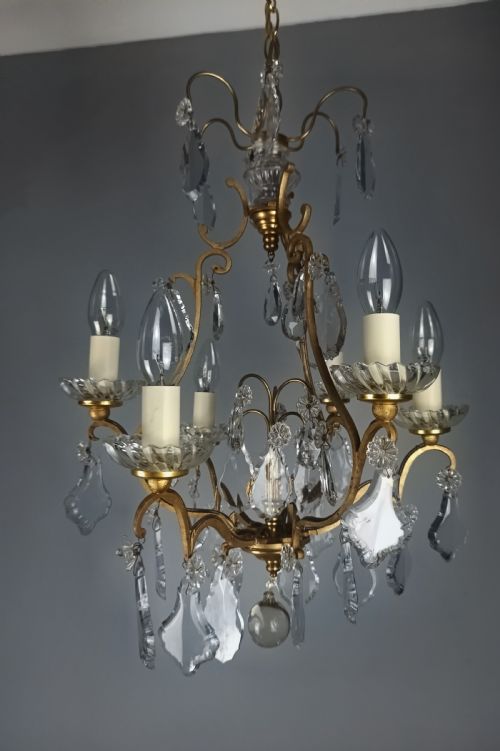
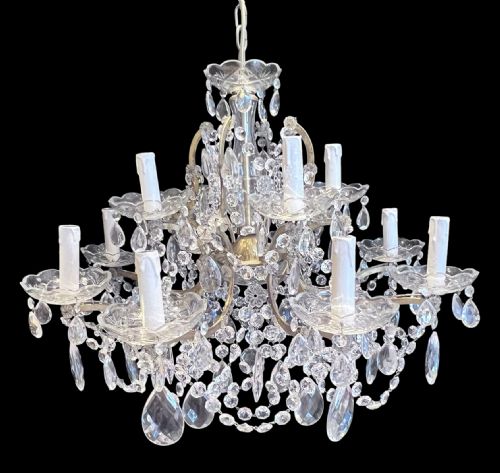
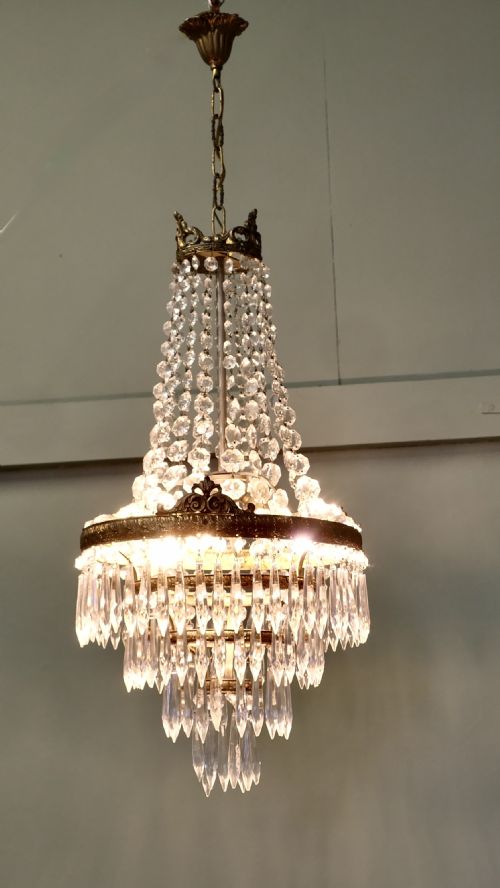
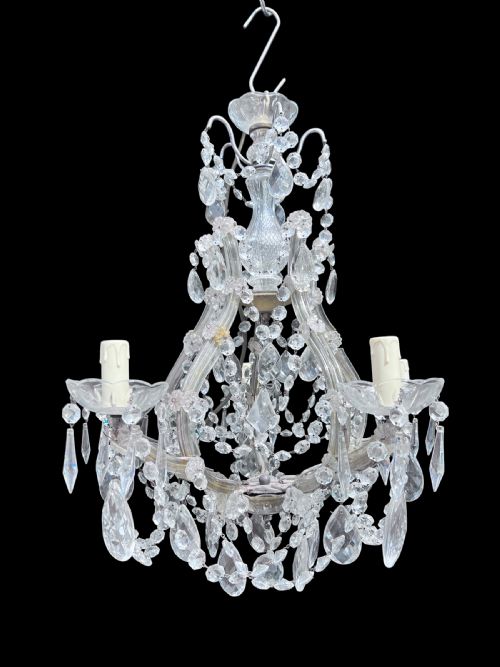
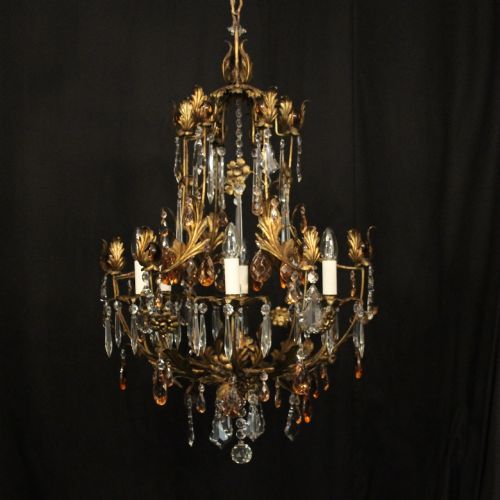
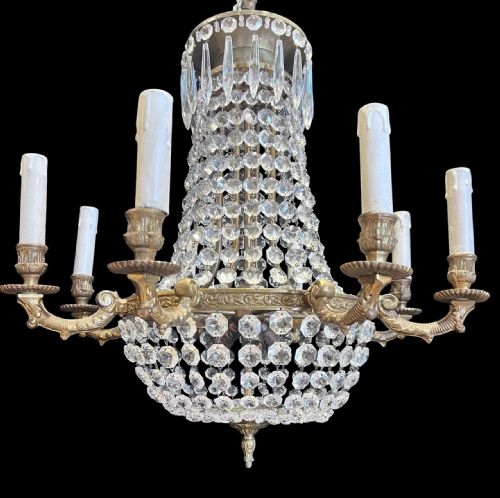
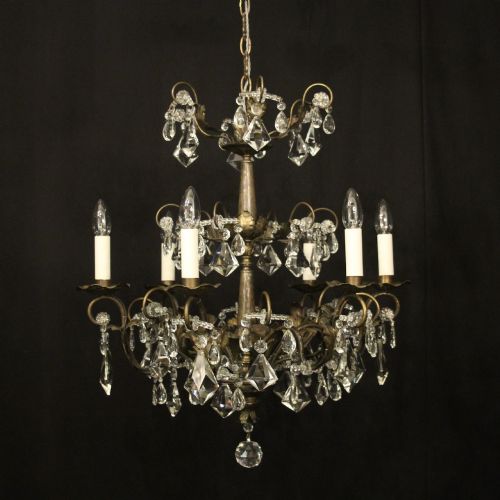
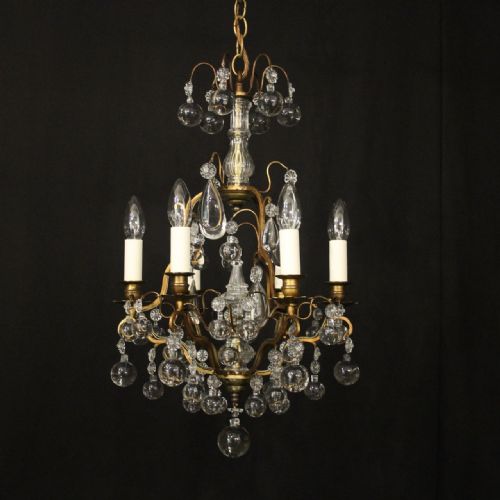
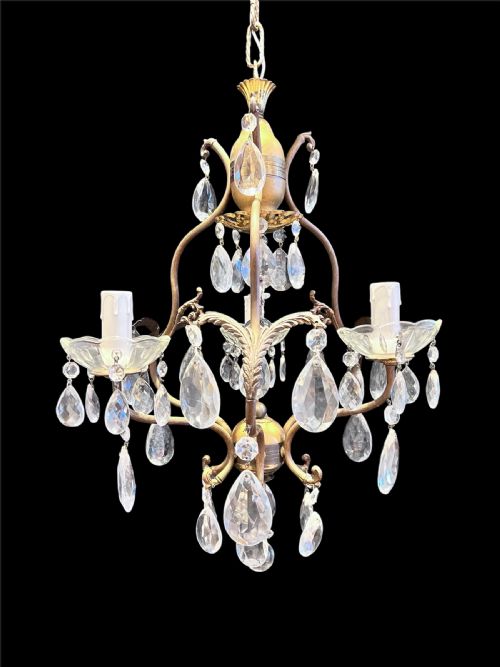
When you search for a classic crystal chandelier, you are looking at overhead lighting designed to refract light through multi-faceted drops, beads, and pendants. The pieces recorded here span from the eighteenth century through the Edwardian era and into the early twentieth century, showing a strong representation of Italian and French design traditions.
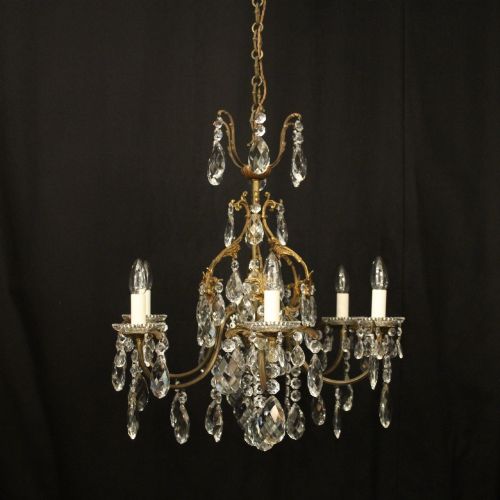
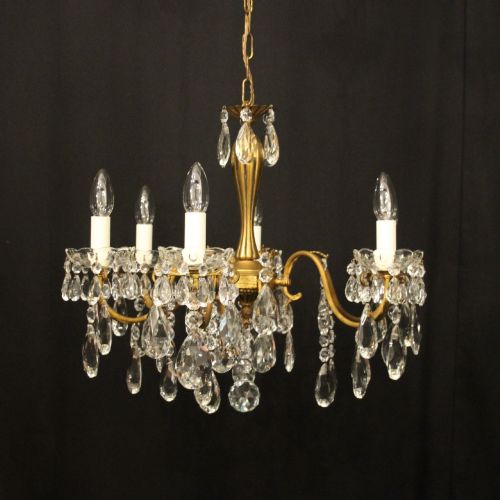
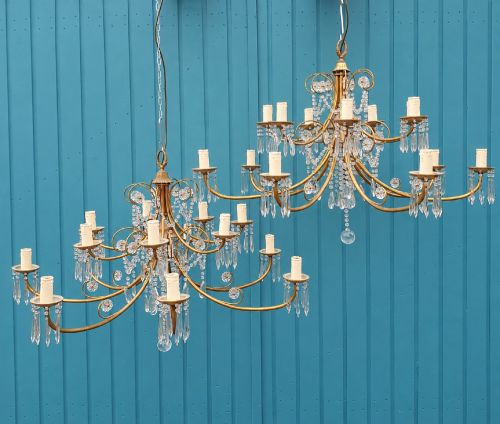
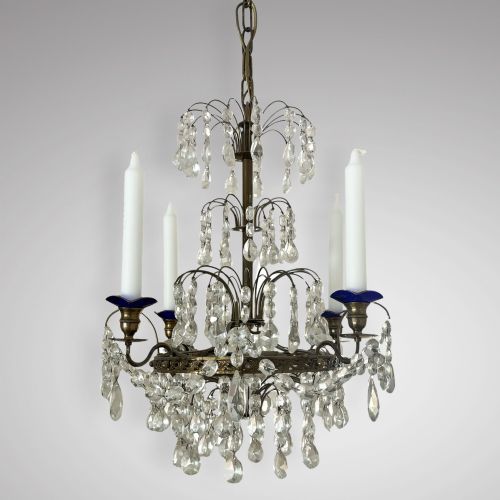
You will frequently meet multi-armed fixtures featuring brass, gilt metal, or silvered frames holding several candle-style lights. The silhouettes range from compact single-tier arrangements to substantial twelve-light and fifteen-light configurations, occasionally incorporating distinct profiles such as the birdcage or the tent and waterfall formation.
Regional styles dominate the selection, with Italian Marie Theresa designs and French chateau or empire aesthetics appearing alongside English cut glass interpretations. Alongside standard ceiling suspensions, the listings also include wall sconces and wall lights that share the same vocabulary of crystal drops and metal armatures.
Materials and Construction
The structural framework relies heavily on brass, gilt bronze, and silvered metal, providing a rigid armature capable of supporting heavy tiers of glass. Metal components were cast, chased, and gilded or silvered to form the central bands, rings, and branching arms.
Pendants, beads, and central vases are fashioned from crystal, cut glass, and occasionally amethyst crystal, shaped by hand or moulded before receiving meticulous edge-cutting. These glass elements hang from the metal frame using fine wire links or pins, allowing individual drops to sway and catch ambient light.
Classic Crystal Chandelier Retail Price Guide 2026
Typical asking prices for classic crystal chandelier among the pieces listed under this phrase on Sellingantiques today, from the lower quarter to the upper quarter. They describe what is for sale here now, not the wider market.
Listings feature brass, gilt metal, and bronze armatures paired with cut glass and crystal, spanning the eighteenth to the early twentieth century.
Judging Quality and Execution
Quality rests in the crispness of the metal chasing and the depth of hand-cutting on the crystal drops, which separates mass production from finer workshop output. Heavier gauge brass and bronze armatures provide structural integrity, whereas lighter frames lack the same physical presence.
The cohesion of the design distinguishes superior examples, where every crystal drop matches in clarity and period-appropriate cut rather than serving as later replacements. Richer surface gilding and complex multi-tiered wiring configurations also elevate the standing of a fixture within its stylistic group.
The Classic Crystal Chandelier Glossary
- Tent and waterfall
- A lighting configuration where upper strings of crystal beads form an inverted cone shape, dropping down to a wider tier of radiating crystal strands that resemble cascading water. This profile gains volume without heavy solid metal bodies.
- Cut glass
- Glass that has been shaped and faceted on a wheel to create sharp geometric patterns that maximise light refraction. It differs from mould-blown glass by its crisper edges and greater brilliance.
- Gilt bronze
- Bronze metal that has been treated with a thin layer of gold leaf or mercury gilding to produce a rich, durable golden finish. Also known by the French term ormolu.
- Wall sconce
- A decorative bracket fixture mounted directly to a vertical wall surface to hold one or more candles or electric bulbs, sharing stylistic elements with larger ceiling chandeliers.
Classic Crystal Chandelier: Frequently Asked Questions
How do I hang a heavy antique chandelier?
Suspension requires locating a primary ceiling joist or installing a dedicated steel structural brace capable of supporting the dead weight of brass and crystal. Professional installation ensures that the electrical wiring safely connects to the ceiling box while the hanging chain takes the physical load.
Because antique fixtures often use non-standard mounting loops, an electrician should evaluate the original canopy and hanging hardware before installation. Proper height placement ensures the lower tier clears foot traffic while maintaining balance within the room.
Can these chandeliers be used with electricity?
Most antique fixtures found on the market have already been adapted for modern electrical wiring, replacing original candle sockets with wired fittings. Rewiring preserves the exterior aesthetic while bringing internal components up to contemporary safety standards.
When evaluating a piece, check whether the candle tubes and internal channels accommodate standard modern bulb bases without altering the visible historic profile. Low-wattage LED candle bulbs help replicate the soft warmth of historic lighting without generating excessive heat.
What is the difference between Marie Theresa and Empire styles?
Marie Theresa chandeliers are defined by flat metal arms encased in glass plates and decorated with flat crystal garlands, creating a glittering, airy silhouette. They stem from Austrian and Italian traditions associated with royal patronage.
Empire style fixtures draw on neoclassical French motifs, featuring solid cast brass bands, arrow or urn finials, and symmetrical vertical tent strings dropping to a lower circlet of lights. They offer a more architectural and restrained profile than the sprawling floral curves of rococo designs.