

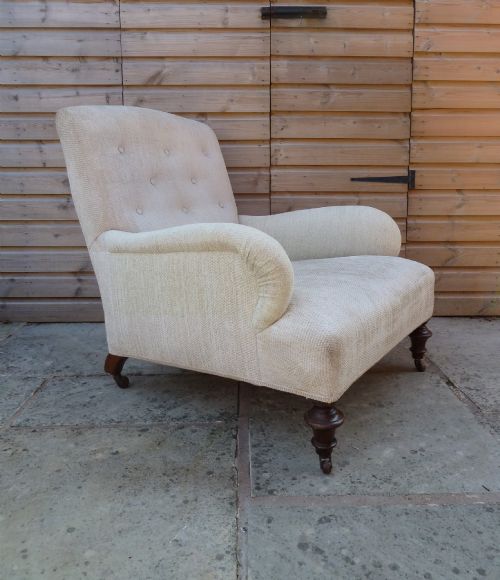
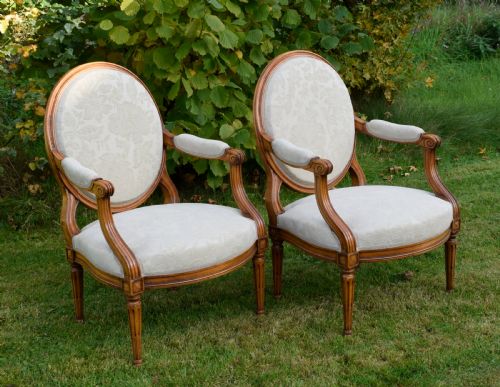


Classic Country Chairs
Classic country chairs bring enduring comfort and traditional craftsmanship into domestic spaces, offering sturdy seating built to last through generations.
Classic Country Chairs
The inventory demonstrates significant variety across periods, spanning Georgian origins through to Regency, Victorian, and later revival movements. Forms include functional dining chairs alongside large armchairs, desks chairs, and matching footstools designed for relaxed seating.
Makers drew upon diverse stylistic influences, incorporating Georgian revival, Louis XVI aesthetics, and English country house comfort into everyday furniture. This eclectic mix ensures that each piece brings a distinct character rooted in historical traditions of woodworking and upholstery.
Materials and construction methods
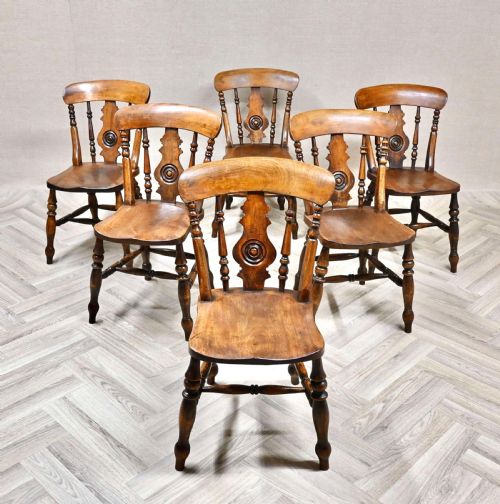
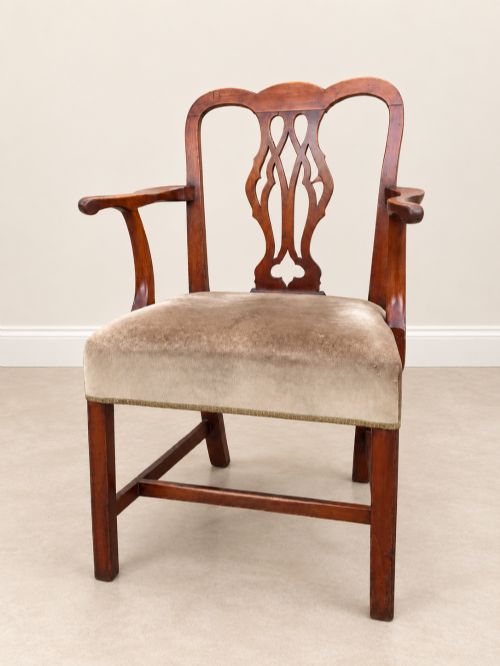
Makers relied heavily on robust timbers such as mahogany, walnut, yew, elm, and cherry to form structural frames capable of enduring daily use. These woods were shaped into stickback formats, Windsor configurations, and carved walnut or mahogany supports.
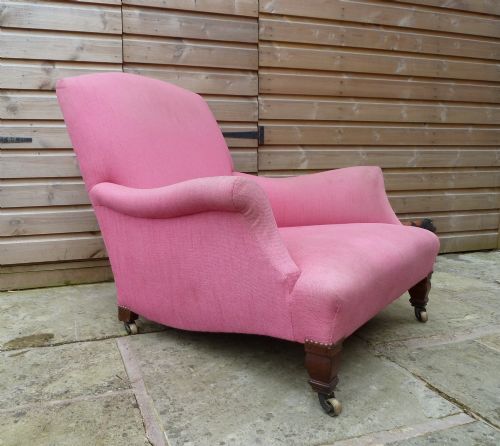
Upholstered variations integrated traditional stuffing and padding methods, subsequently covered in durable fabrics including velvet, silk, and general textiles. Brass details occasionally appear as decorative or functional hardware on specific seating forms.
Classic Country Chairs Retail Price Guide 2026
Typical asking prices for classic country chairs among the pieces listed under this phrase on Sellingantiques today, from the lower quarter to the upper quarter. They describe what is for sale here now, not the wider market.
Listings feature items spanning the Georgian era, Regency period, and nineteenth century, alongside early twentieth-century revivals.
Judging quality and execution
Quality in these seating pieces rests upon the integrity of the timber selection and the precision of the joinery. Superior examples exhibit carefully turned spindles, tight joints, and well-balanced proportions that remain stable over centuries of use.
Upholstered variants differ in the depth of internal construction and the quality of the textile finish. Pieces retaining sound structural foundations and harmonious period styling represent the higher tiers of craftsmanship within this category.
The Classic Country Chairs Glossary
- Windsor
- A traditional wooden chair built with a solid saddle-shaped seat into which the legs and back spindles are directly joined. This construction provides exceptional stability.
- Stickback
- A minimalist seating form constructed with vertical wooden rods forming the backrest. These rods slot directly into the wooden seat base.
- Wing armchair
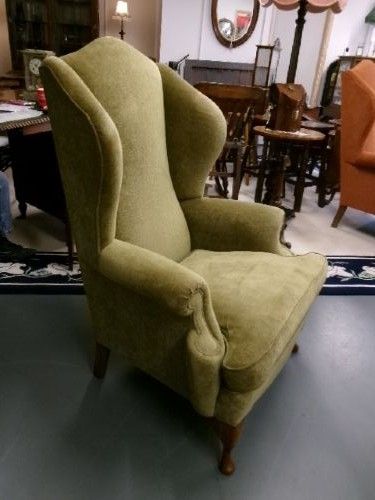
- A comfortable seat featuring side panels designed to shield the occupant from draughts. These wings extend from the upholstered backrest down to the armrests.
Classic Country Chairs: Frequently Asked Questions
What defines classic country chairs?
These pieces comprise traditional wooden seating and upholstered armchairs rooted in rural vernacular and country house styles. They emphasise comfort, practical utility, and time-honoured construction methods.
Materials typically include native and imported hardwoods paired with traditional textiles, offering robust furniture suitable for daily domestic living.
How do I care for wooden country chairs?
Wooden frames benefit from regular dusting with a soft cloth and occasional applications of appropriate furniture wax to nourish the grain. Keeping timber away from direct heat sources prevents shrinkage and cracking.
Upholstered components require gentle vacuuming and professional cleaning when needed to preserve the integrity of the fabric.
Where were these chairs used historically?
Kitchens, dining rooms, and parlours served as the primary locations for these seating arrangements. Windsor and stickback designs saw heavy daily service around farmhouse tables.
Larger upholstered armchairs provided comfortable seating in country house drawing rooms, studies, and bedrooms.
How do I identify different periods?
Stylistic clues such as carved details, leg shapes, and upholstery styles help indicate the era of manufacture. Georgian pieces often display refined mahogany or yew forms, while later Victorian and Edwardian examples lean toward robust proportions.
Revival styles from the early twentieth century frequently emulate earlier historical aesthetics using contemporary construction techniques.