

Classic Chandelier
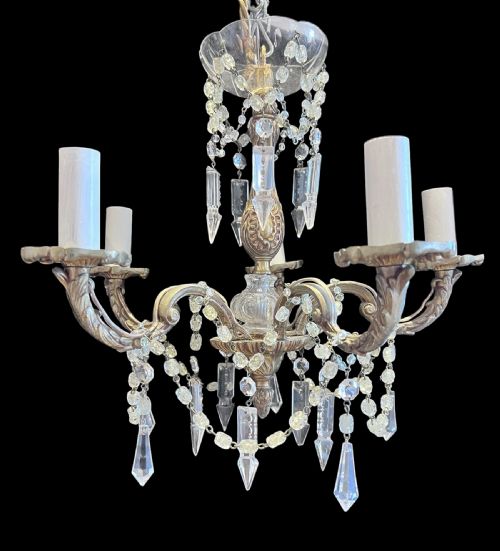
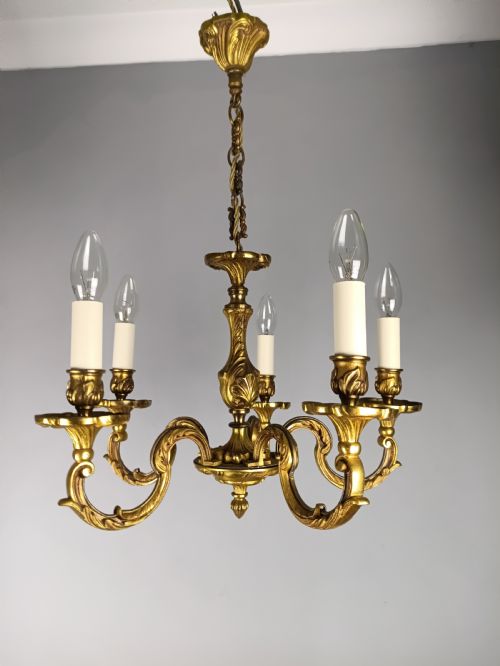
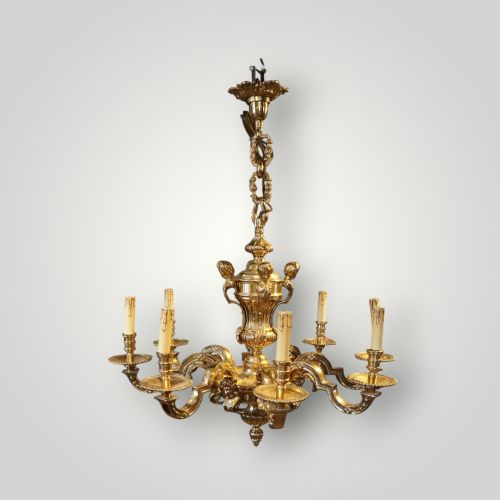
A classic chandelier hangs as the central focus of a room, bringing refined illumination through brass, crystal, and bronze.
Classic Chandelier
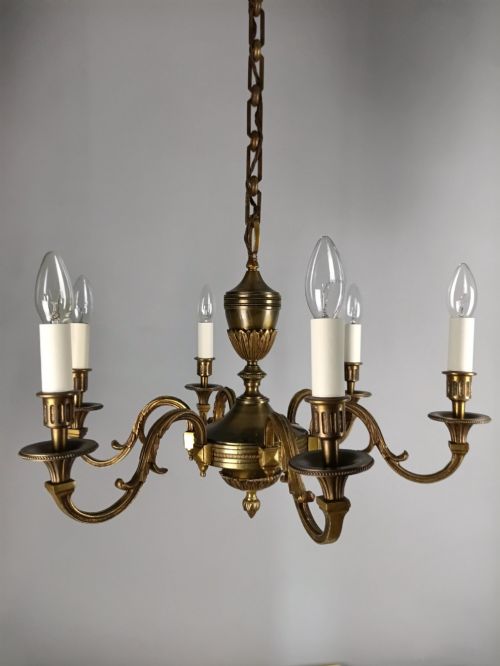
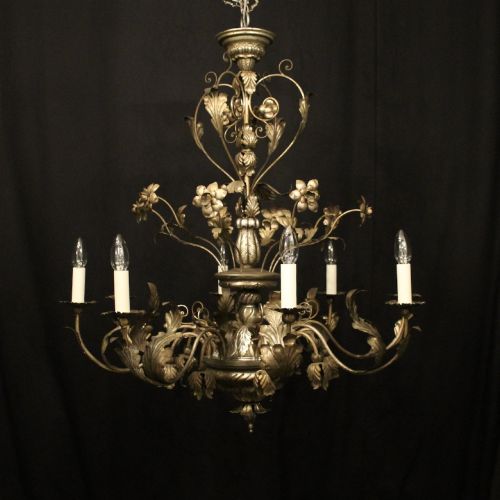
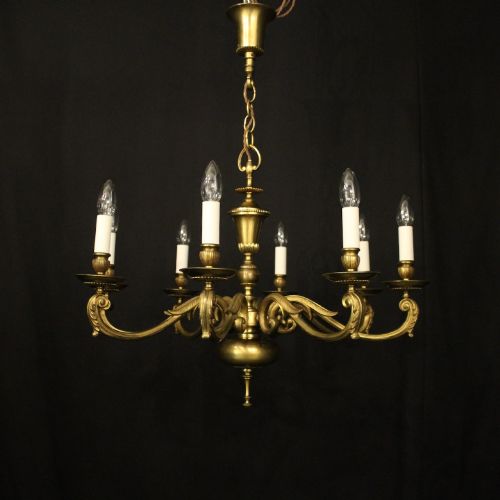
A classic chandelier provides overhead illumination through multi-armed fixtures designed to suspend from a ceiling. When exploring this selection, buyers encounter various configurations originating from French, Italian, English, and Dutch traditions spanning the nineteenth and early twentieth centuries.
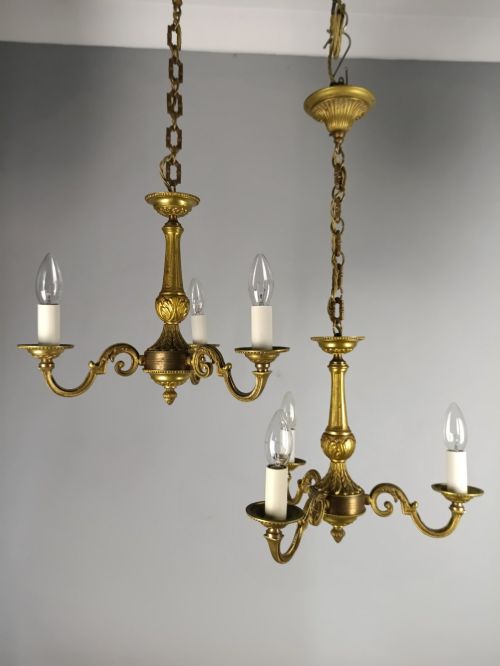
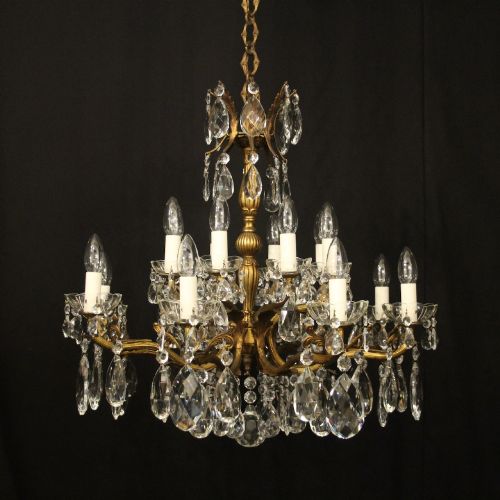
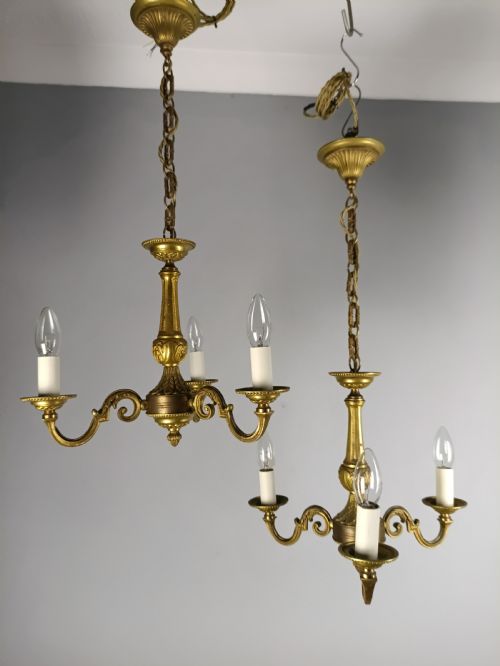
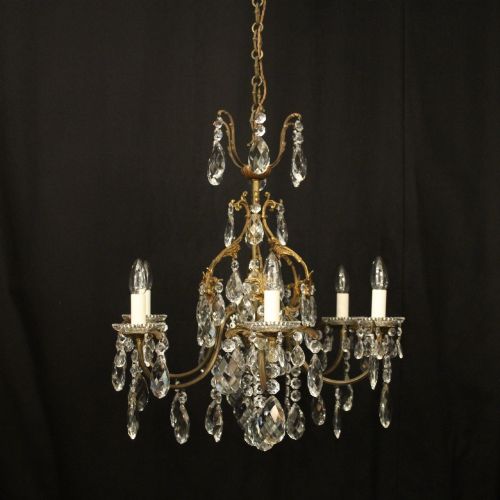
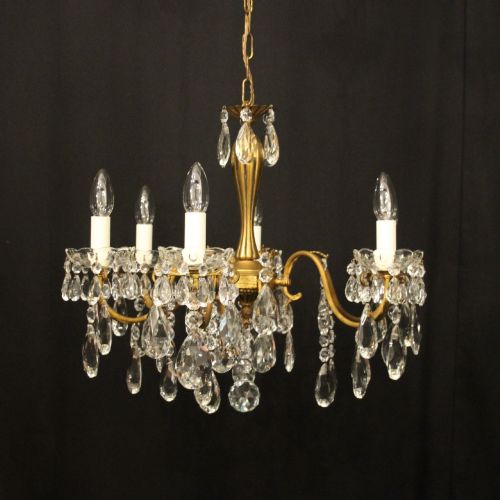
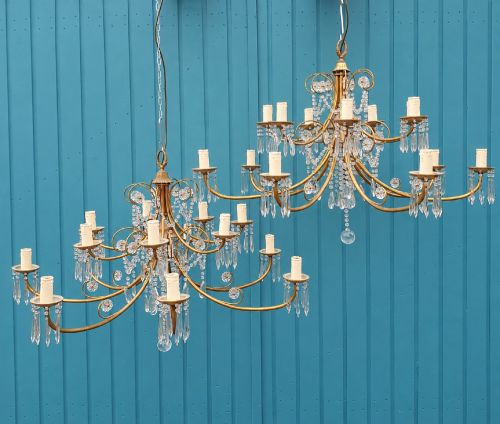
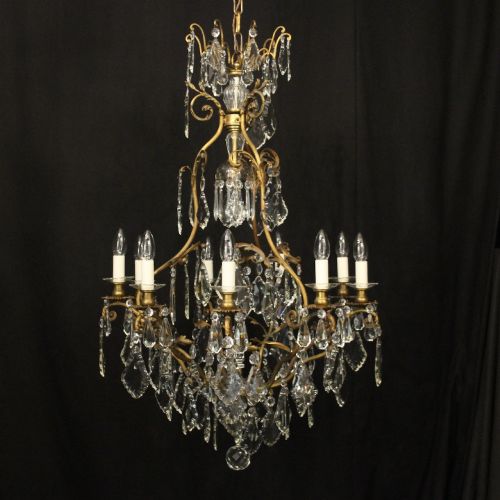
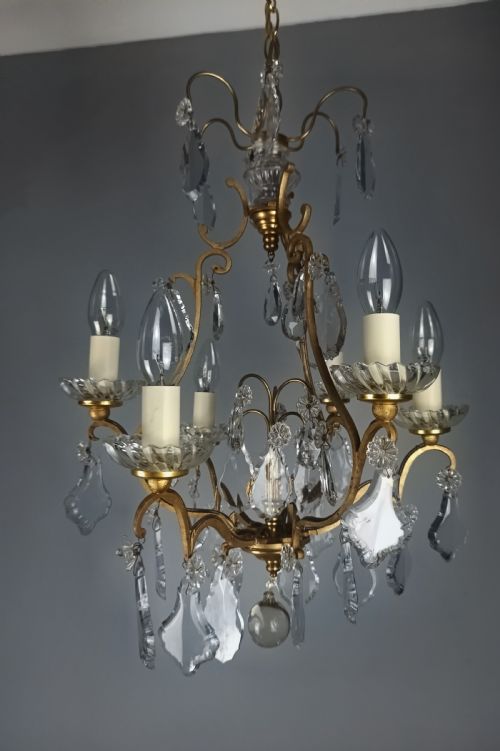
The most prevalent examples include French and Italian designs featuring multiple lights adorned with crystal drops, brass frames, and gilded bronze finishes. These pieces range from compact three-branch forms to substantial twelve-light structures suitable for larger spaces.
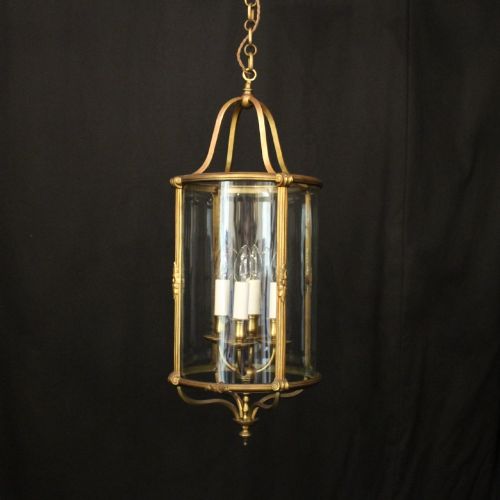
Beyond standard ceiling fixtures, the category encompasses related hanging forms such as lanterns, wall sconces, and pendant lights. Each variation employs traditional metalwork and glass components characteristic of Edwardian and earlier historical periods.
Materials and construction
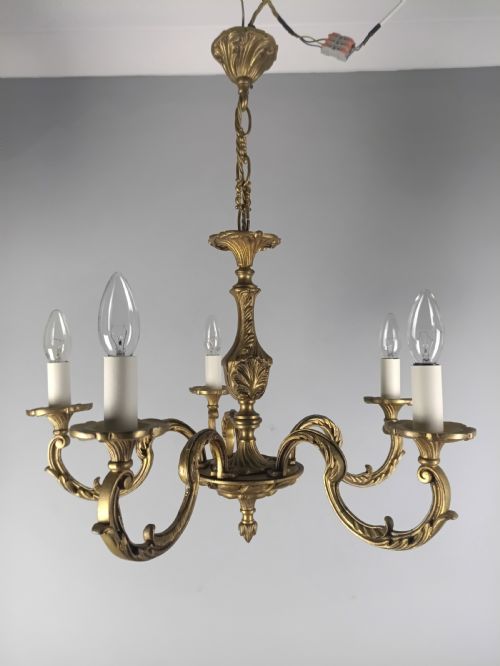
Construction relies heavily on cast and gilt brass, bronze, and copper formed into supportive frames and branching arms. Metalworkers utilised techniques such as casting and gilding to produce durable structures finished with decorative surface treatments.
Illumination is amplified through the integration of cut glass and crystal drops, often arranged in tent and waterfall configurations or bag tent styles. These transparent elements refract light across the room, supported by wired or candle-style sockets.
Classic Chandelier Retail Price Guide 2026
Typical asking prices for classic chandelier among the pieces listed under this phrase on Sellingantiques today, from the lower quarter to the upper quarter. They describe what is for sale here now, not the wider market.
Regional styles represented include French, Italian, English, Dutch, and Swedish designs, encompassing both chandeliers and wall sconces.
Distinctions in quality
Quality rests upon the precision of the metal casting and the clarity of the glass or crystal components. Finer examples display crisp detail in chased bronze or gilt brass alongside hand-cut crystal prisms that maximise light refraction.
Structural integrity and the harmony of proportion also distinguish superior pieces. Well-balanced arm placement, substantial gauge metal, and intact original suspension hardware indicate high-grade craftsmanship from periods such as the Edwardian era and the early twentieth century.
G.E.C
The Classic Chandelier Glossary
- Gilt bronze
- Metal alloy treated with a layer of gold leaf or gold wash. This technique adds a rich decorative surface to chandelier frames and mountings.
- Tent and waterfall
- A specific arrangement of crystal drops forming a triangular upper tent shape above a cascading lower tier. This design creates dense light refraction.
- Marie Theresa
- A distinct chandelier style featuring flat metal bands encrusted with glass beads and crystal drops, named in honour of the Austrian Empress.
- Hall lantern
- An enclosed hanging lighting fixture designed for corridors and entrance halls. These pieces utilise glass panels within a metal frame.
- Bag chandelier
- A lighting form where numerous crystal drops gather in a bag-like silhouette beneath the central frame. This style gained popularity during the nineteenth and early twentieth centuries.
Classic Chandelier: Frequently Asked Questions
How do I choose the right size chandelier?
Selecting the correct scale involves measuring the dimensions of the room and ensuring adequate clearance from the floor. Larger spaces accommodate multi-light structures, while compact rooms benefit from smaller branch configurations.
Consider the ceiling height to determine the appropriate drop length. Proper placement ensures the fixture provides balanced illumination without obstructing movement underneath.
Can these antique chandeliers be wired for modern electricity?
Most surviving examples have been adapted for modern electrical standards during their lifetime. Rewiring allows these historical fixtures to function safely within contemporary homes.
Professional installation is recommended to support the weight of brass and crystal components securely. Ensure a qualified electrician checks the ceiling anchorage prior to hanging.
How do I clean and maintain crystal drops?
Routine maintenance involves gentle dusting with a soft cloth to prevent particle accumulation. For a deeper clean, wash individual crystal elements using warm water and a mild solution.
Avoid harsh chemical cleaners that might damage the gilt surfaces of the brass or bronze frame. Allowing components to dry completely before reattachment preserves their clarity.
What distinguishes an Empire style chandelier?
Empire style lighting draws inspiration from neoclassical design, featuring prominent symmetry and architectural motifs. These pieces frequently incorporate tent and waterfall crystal formations suspended from robust metal crowns.
Gilt bronze and classical ornamentation define the aesthetic of this period. They project formal elegance suited to traditional interiors.