





Classic Brown Dresser
A classic brown dresser brings warm timber grain and practical storage to a room, spanning Georgian, Victorian, and Regency periods.
Classic Brown Dresser
When searching for a classic brown dresser, buyers encounter chests of drawers and sideboards constructed from rich timbers like mahogany and walnut. These pieces originate from the 18th century through to the Edwardian era, encompassing Regency, Victorian, and Biedermeier styles.
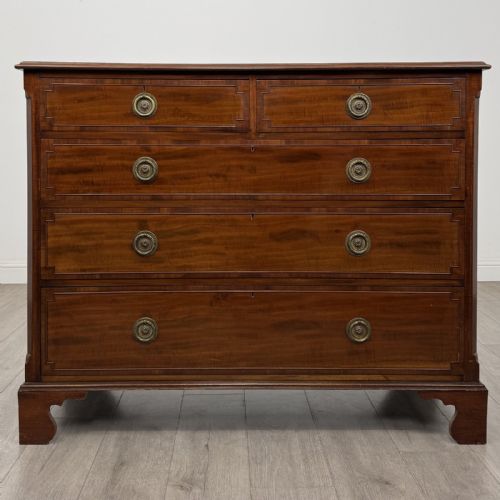
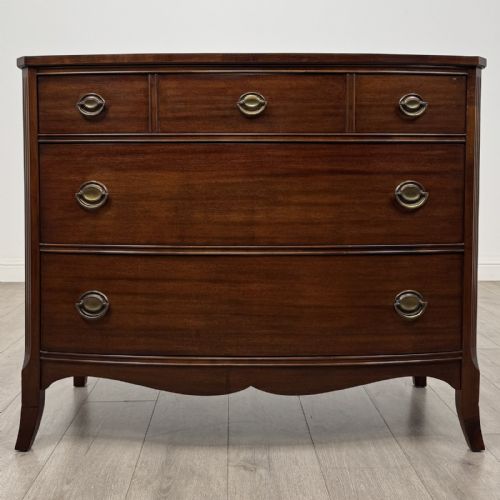
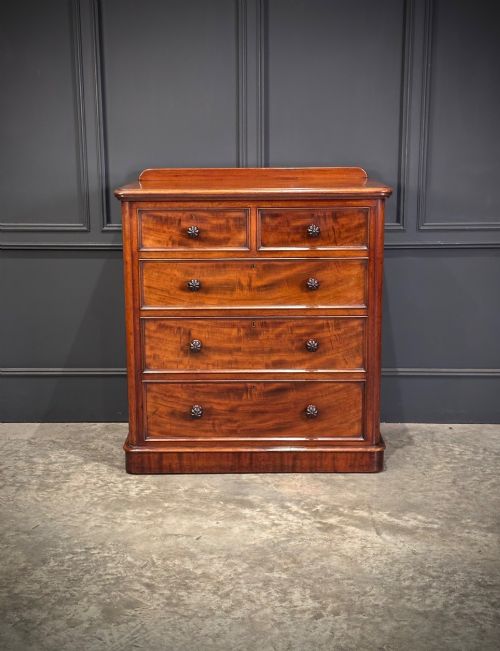
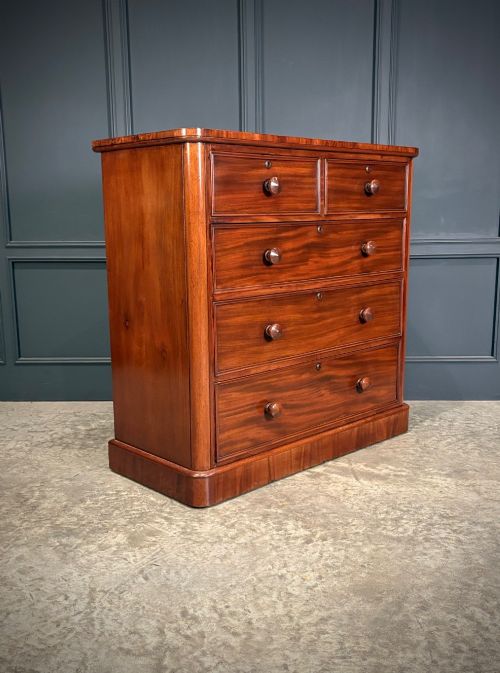
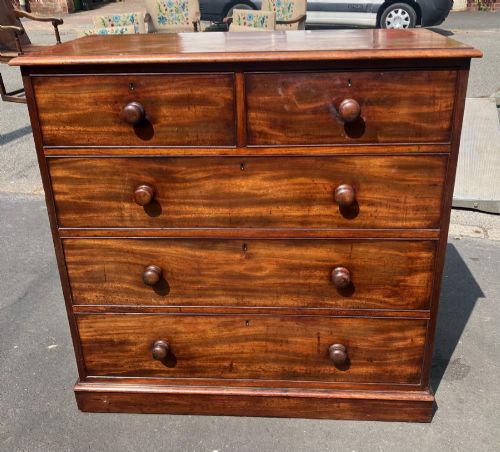
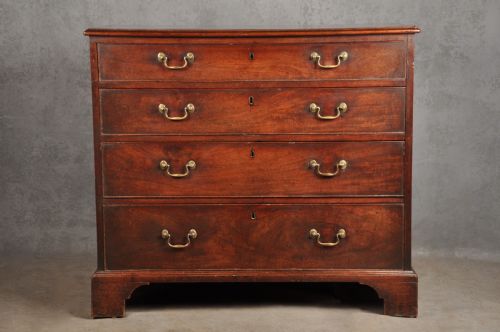
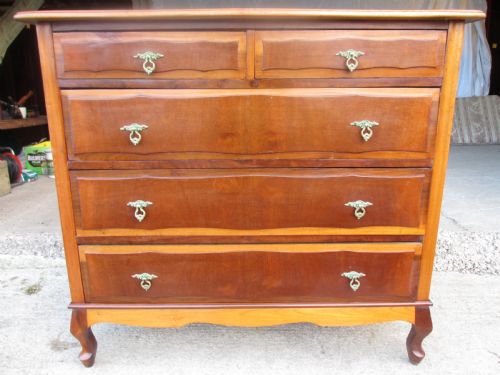
The most common form on this page is the mahogany chest of drawers, often featuring a bow front or bracket feet. Examples range from George III periods to later Georgian revivals, offering traditional compartmentalised storage.
Sideboards also appear among the selections, notably Victorian twin pedestal designs. These larger items provide extended surface space and deep cupboards alongside standard drawer configurations.
How they were made
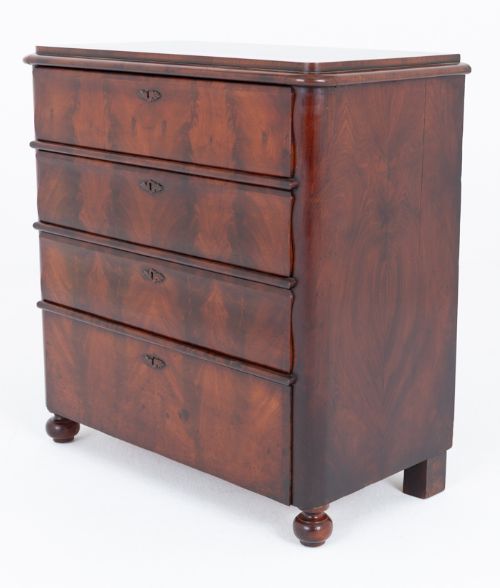
Makers utilised solid timbers and veneers over secondary woods like pine, applying flame mahogany veneer to prominent drawer fronts for visual depth. Construction often incorporated boxwood stringing and brass handles as decorative details.
Surfaces were frequently finished with marble tops on specific regional or continental variations, while structural integrity relied on bracket feet or pedestal bases. Cabinetmakers shaped bow fronts by steaming and laminating timber before securing it to the carcase.
Classic Brown Dresser Retail Price Guide 2026
Typical asking prices for classic brown dresser among the pieces listed under this phrase on Sellingantiques today, from the lower quarter to the upper quarter. They describe what is for sale here now, not the wider market.
Listings feature mahogany, walnut, oak, and pine timbers, incorporating marble tops and brass handles across multiple centuries.
What varies in quality
Quality rests on the selection of timber grains, particularly the figuring found in flame mahogany or walnut surfaces. Finer items display continuous grain patterns across stacked drawer fronts and precise inlay work.
The sophistication of hardware, such as original brass handles and finely jointed bracket feet, elevates a piece. Structural execution in the drawer linings and carcase assembly distinguishes standard workshop production from master cabinet work.
The Classic Brown Dresser Glossary
- Bow front
- A convex curved cabinet front that projects outward in the centre. This shape became popular during the Georgian and Regency periods.
- Flame mahogany veneer
- A sliced layer of timber exhibiting a distinctive flame-like grain pattern. Cabinetmakers applied this to primary visual surfaces for decoration.
- Bracket foot
- A structural support foot shaped like a bracket, often used on chests of drawers from the 18th century onward. It typically forms an L-shape beneath the carcase corners.
- Biedermeier
- A Central European style dating to the 19th century emphasising utilitarian comfort and clean lines. Pieces from this tradition often feature warm mahogany and minimal ornamentation.
- Twin pedestal sideboard
- A large dining room storage form with two supporting pedestals beneath a main surface. Victorian examples often incorporate central drawers and flanking cupboards.
Classic Brown Dresser: Frequently Asked Questions
What is a classic brown dresser?
A classic brown dresser refers to traditional timber storage furniture, primarily comprising chests of drawers and sideboards. These items utilise woods like mahogany, walnut, and oak.
They span multiple historical periods from the 18th century to the early 20th century. Their enduring appeal lies in functional storage combined with warm natural timber tones.
How do I style a chest of drawers?
A chest of drawers suits bedrooms, hallways, and living spaces as a focal storage point. Placing a mirror or artwork above the surface balances the vertical proportions.
Keep the top uncluttered by using small trays or decorative boxes for daily items. Allow the natural wood grain and brass hardware to serve as the primary visual interest.
How do I tell Georgian from Victorian pieces?
Georgian pieces, dating from the 18th and early 19th centuries, often feature restrained classical proportions and fine bracket feet. Mahogany and walnut were standard during this era.
Victorian furniture from the later 19th century tends to be heavier in scale with bolder timber figuring and varied revival styles. Hardware and internal construction methods also reflect the changing manufacturing techniques of each era.
What woods are used in these items?
Mahogany is the predominant timber found across these listings, appearing in solid form and as flame mahogany veneer. Walnut and oak also feature frequently in earlier and continental pieces.
Secondary woods like pine were utilised for internal drawer carcases and backboards. Decorative accents often incorporated contrasting boxwood stringing and brass fittings.