



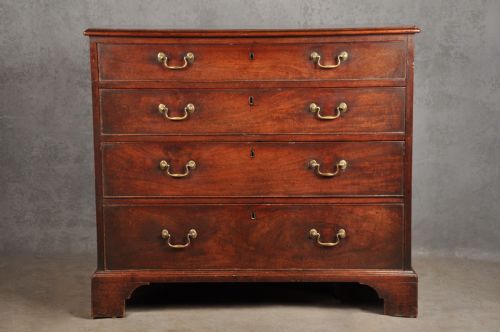


Classic Brown Commode
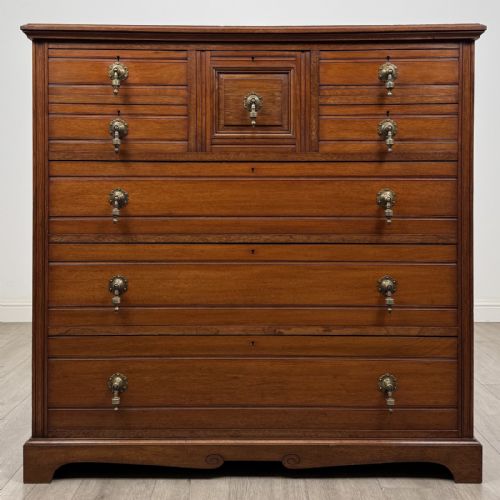
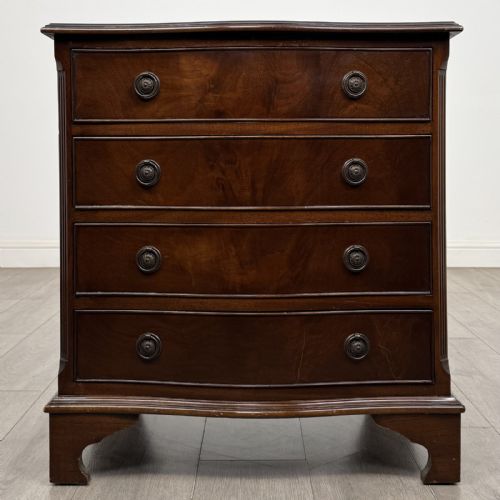
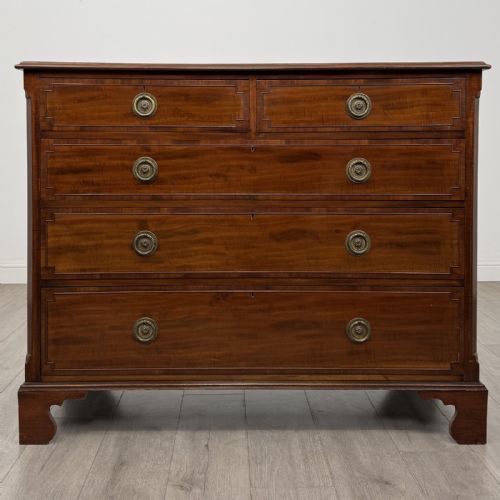
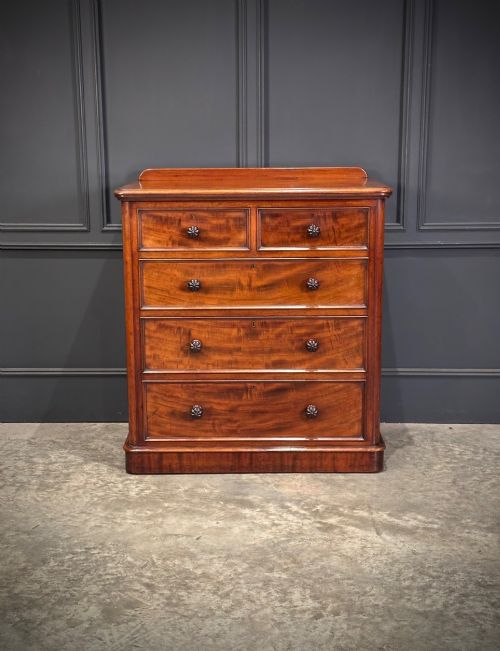
These classic brown commode pieces are timber chests of drawers built to serve a bedroom with quiet utility.
Classic Brown Commode
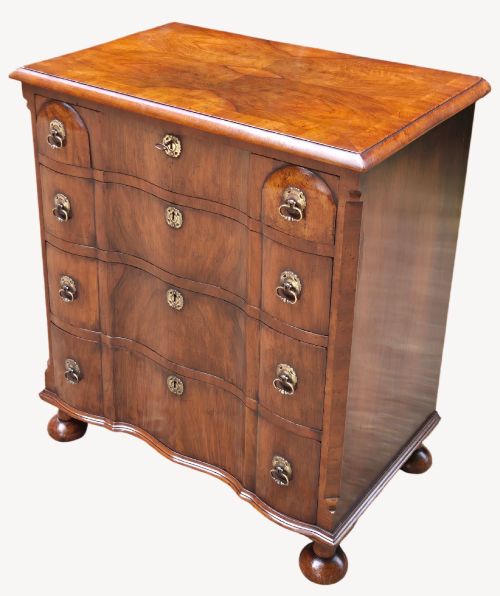
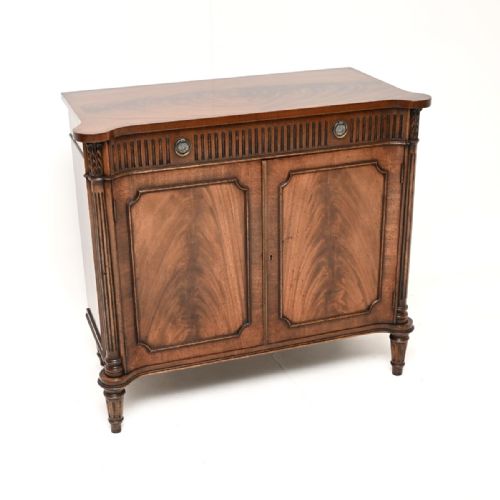
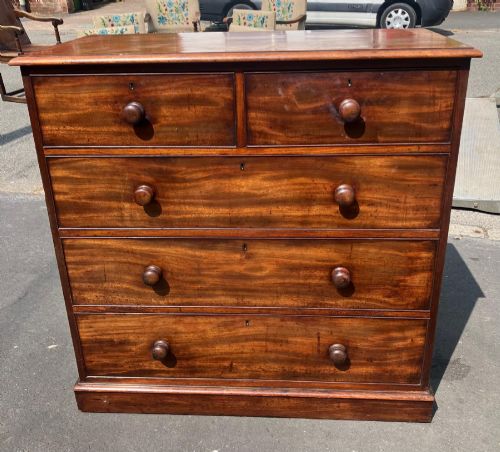
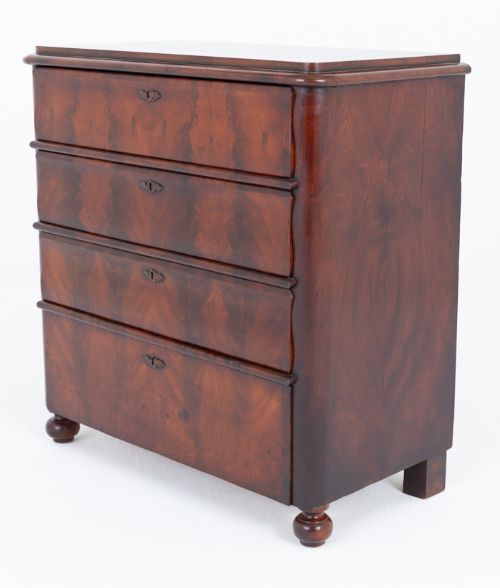
A classic brown commode most commonly appears as a chest of drawers or side cabinet shaped by Georgian, Victorian, and Regency hands. These timber pieces provide deep storage for household linens and personal garments while anchoring a room with a traditional silhouette.
The materials span mahogany, flame mahogany veneer, walnut, and pine, offering surfaces that range from straight-grained warmth to striking figured patterns. Makers constructed these items with bracket feet, bow fronts, and brass handles that reflect the design language of their respective decades.
Buyers will encounter variations stretching from the 18th century through to the early 20th century, including revival pieces from later decades. Each iteration maintains the practical depth of a chest of drawers while displaying the stylistic preferences of its period.
How they were made
Cabinet makers built these pieces using solid timbers like mahogany, walnut, oak, and pine for the structural carcasses and drawer linings. They often applied flame mahogany veneer to the primary drawer fronts to create a rich, figured visual movement across the surface.
Secondary detailing involved boxwood stringing for inlaid decoration and the fitting of cast brass handles to pull the drawers. Workers joined the drawer corners with hand-cut dovetails, ensuring durability through centuries of daily use.
Classic Brown Commode Retail Price Guide 2026
Typical asking prices for classic brown commode among the pieces listed under this phrase on Sellingantiques today, from the lower quarter to the upper quarter. They describe what is for sale here now, not the wider market.
The listings show mahogany and walnut as the dominant timber choices across 18th-century and 19th-century chests.
What varies in quality
The standard of a classic brown commode rests upon the selection of timber and the precision of the cabinet work. Pieces featuring carefully matched flame veneer and tight dovetail joints demonstrate a higher grade of workshop execution than simpler utility builds.
Proportion and decorative restraint also set finer examples apart from standard chamber furniture. Subtle brass hardware, balanced bracket feet, and crisp boxwood inlay elevate the visual presence of the chest.
The Classic Brown Commode Glossary
- Bow front
- A cabinet front that curves outward in a convex arc. This shape gained popularity during the Georgian and Regency periods to soften the rectangular lines of a standard chest.
- Flame mahogany veneer
- A thin slice of mahogany timber cut from the fork of the tree where the branches join the trunk. This produces a flickering, flame-like pattern across the drawer fronts.
- Bracket feet
- Small, architectural feet found at the bottom corners of a case piece. They lift the body slightly off the floor while maintaining a stable, grounded appearance.
- Dovetail joint
- An interlocking woodworking joint formed by interlocking wedge-shaped fingers. This construction method secures drawer corners together without relying on modern fasteners.
Classic Brown Commode: Frequently Asked Questions
How do I clean a mahogany chest?
Dust the timber regularly with a soft, dry cloth to prevent grit accumulation on the polished surface. Avoid silicone-based sprays that can build up and dull the grain over time.
Apply a traditional beeswax occasionally to nourish the wood and maintain a soft, natural sheen. Buff the wax gently after application to protect the antique finish from moisture.
Are these drawers suitable for daily use?
These timber chests were originally constructed for heavy household storage and remain robust enough for modern garments. The deep drawers accommodate clothing easily while organising bedroom spaces.
Ensure drawers are pulled evenly from the centre rather than one side to prevent binding. Keeping the timber away from direct heat sources prevents the wood from warping.
What is the difference between Georgian and Victorian pieces?
Georgian pieces often display restrained classical proportions, subtle bracket feet, and refined mahogany or walnut surfaces. The craftsmanship prioritizes architectural balance and understated elegance.
Victorian chests tend to be heavier in scale, sometimes utilising flame mahogany veneer and bolder brass hardware. They reflect a period of industrial confidence and varied stylistic revivals.
Can I place a commode in a hallway?
These side cabinets and chests of drawers fit narrow spaces well due to their flat backs and manageable depths. A bow front version adds soft movement to a hallway while offering surface space for lamps or bowls.
Ensure the clearance allows doors to open or passage to continue unobstructed. The internal drawers provide useful storage for household keys, post, and accessories.