



Classic Brown Armchair
These classic brown armchair examples span centuries of seating design, offering deep leather comfort and polished wood frames for any interior.
Classic Brown Armchair
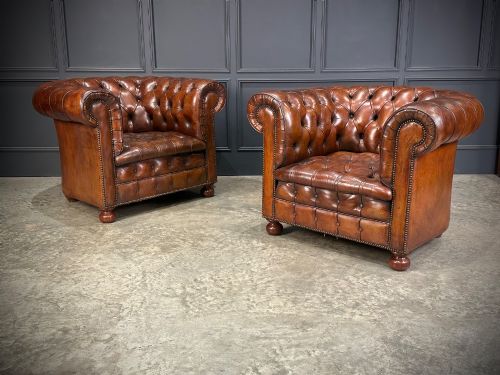
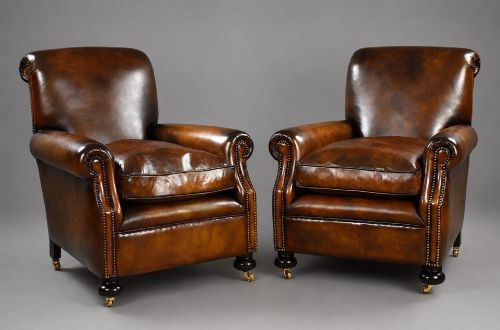
A classic brown armchair represents a durable seating choice found across multiple periods, from eighteenth century George III wing backs to nineteen thirties club chairs. Buyers searching for a classic brown armchair encounter substantial leather club chairs, mahogany library seating, and polished wood elbow chairs.
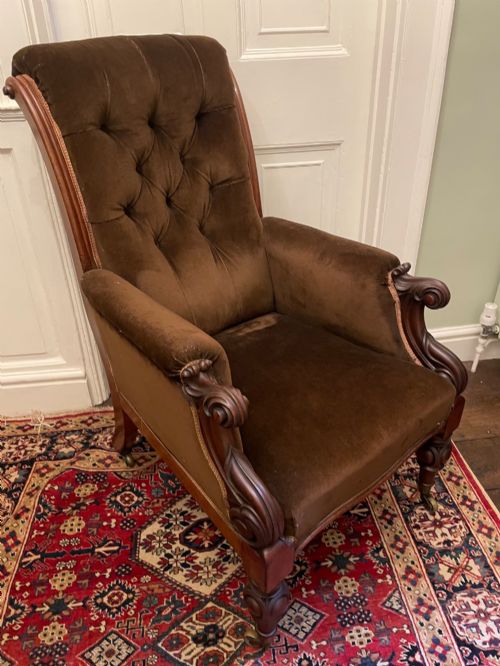
The selections on this page lean heavily toward sturdy leather club chairs and mahogany frames, alongside Regency porters chairs and Edwardian satin wood designs. Each piece provides functional seating with traditional brown tones derived from aged leather and dark timber.
Origin details in this category stretch from English workshops to French makers, uniting diverse eras through traditional materials like mahogany, yew wood, and supple brown leather. The resulting inventory offers buyers functional history spanning the Georgian era through the early twentieth century.
How they were made
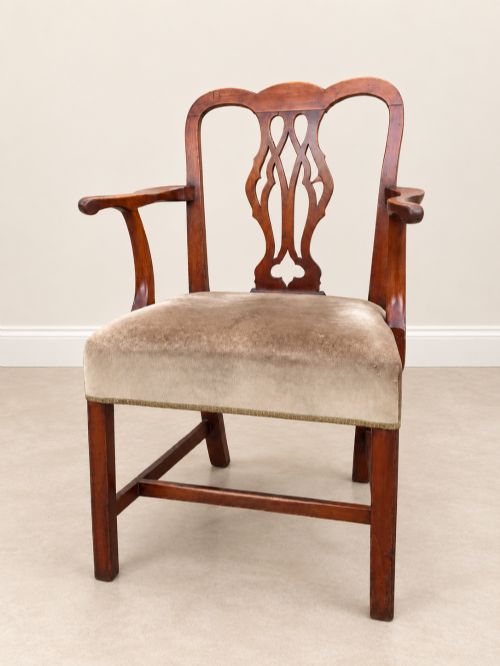
Construction relies upon traditional cabinet timbers such as mahogany, yew, and satin wood, shaped into reeded library chairs, elbow chairs, and large wing backs. Artisans joined these frames with structural precision to support heavy daily use over generations.
Upholstery methods utilise natural fillings held beneath durable leather, velvet, corduroy, and hessian, secured frequently with brass tack detailing along the borders. This combination of hardwood framing and thick hide creates the characteristic resilience seen in club and Chesterfield models.
Classic Brown Armchair Retail Price Guide 2026
Typical asking prices for classic brown armchair among the pieces listed under this phrase on Sellingantiques today, from the lower quarter to the upper quarter. They describe what is for sale here now, not the wider market.
Materials across these listings include mahogany, yew wood, satin wood, leather, brass, velvet, hessian, and corduroy.
What varies in quality
Quality differences emerge in the depth of timber figure, such as rich mahogany grain or patterned yew wood, alongside the suppleness of aged leather upholstery. Superior examples demonstrate careful attention to reeded frame carving and harmonious proportions.
The integrity of the original show wood and the character of the patinated leather surface separate standard utilitarian seating from finer period specimens. Workshop execution, visible in the precision of Regency or Sheraton revival styling, dictates the overall standing of each chair.
The Classic Brown Armchair Glossary
- Club chair
- A deep, comfortable upholstered armchair traditionally covered in leather. These seats originated in French and English clubs during the early twentieth century.
- Winged armchair
- A high backed seat featuring side panels designed to shield the occupant from drafts. Eighteenth century examples often display substantial proportions.
- Library chair
- A sturdy timber seat designed for reading rooms and studies. These typically feature mahogany frames and upholstered seats.
- Porters chair
- A high, enclosed armchair originally designed to keep drafts away from attendants stationed near doorways. They often feature hooded leather tops.
- Reeded
- A decorative moulding consisting of parallel convex strips resembling bundled reeds. This technique appears frequently on nineteenth century mahogany chair legs.
Classic Brown Armchair: Frequently Asked Questions
What defines a classic brown armchair?
A classic brown armchair is a traditional seat built from timber like mahogany or yew and upholstered in brown leather, velvet, or corduroy.
These pieces span periods from the eighteenth century to the nineteen thirties, encompassing styles such as Art Deco, Georgian, and Regency.
How do I care for leather club chairs?
Leather club chairs require regular dusting with a dry cloth and occasional application of appropriate leather conditioning balms.
Keeping them away from direct sunlight and heat sources prevents the hide from drying and cracking over time.
Where were these armchairs made?
The pieces listed originate primarily from English and French workshops spanning the Georgian, Victorian, and early twentieth century eras.
Maker traditions include Regency designs executed in the manner of Gillows alongside provincial cabinet work.
How do I identify a Georgian armchair?
Georgian armchairs often feature solid mahogany or yew wood frames with traditional joinery, cabriole or straight legs, and substantial wing backs.
Stylistic cues align with eighteenth century craftsmanship standards before later Victorian and Edwardian revivals.