



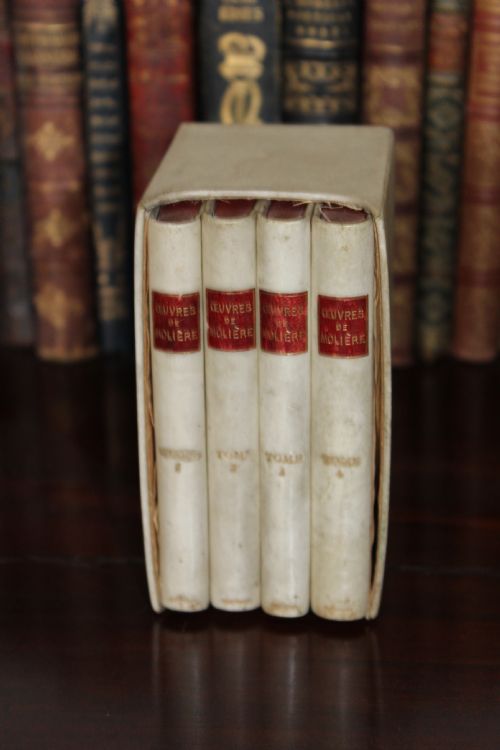


Classic Book Set
A classic book set brings architectural presence and centuries of literature to a room, ranging from multi-volume Shakespeare to nineteenth-century novels.
Classic Book Set
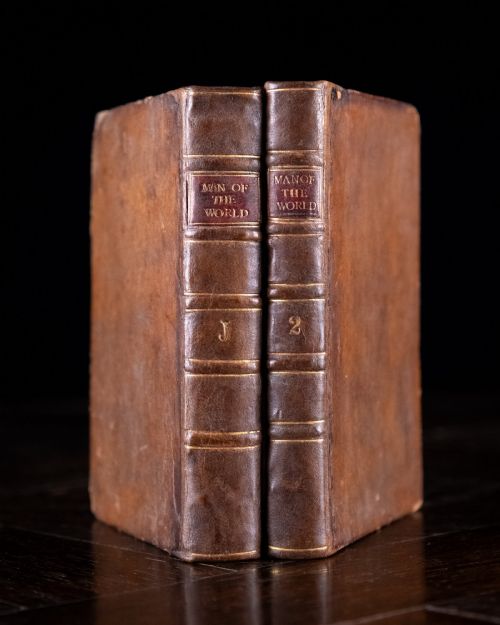
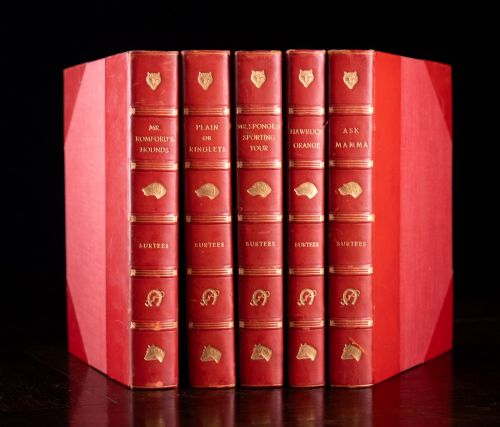
A classic book set brings together multi-volume works of literature, history, and drama bound uniformly for a cohesive appearance on library shelves. When searching for a classic book set, buyers encounter collections spanning the eighteenth, nineteenth, and early twentieth centuries.
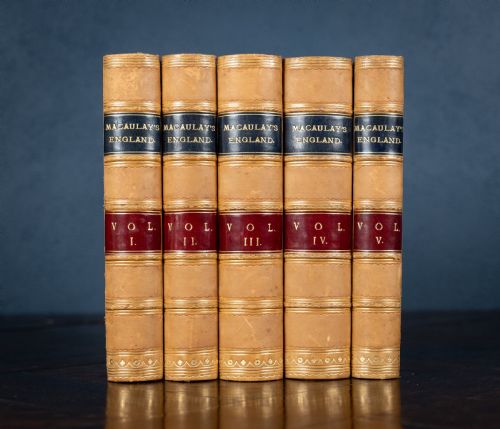
The selections on this page include multi-volume sets of Shakespeare plays, historical works by authors such as Thomas Babington Macaulay, and comprehensive editions of Walter Scott or Anthony Trollope. These groupings often consist of matching bindings issued together by publishers or subsequently rebound to create a unified row.
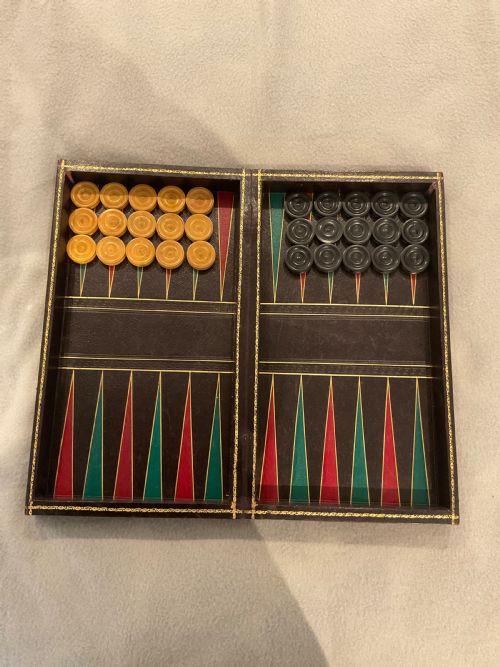
Beyond standard literature, the category extends to specialised library furniture and decorative items associated with study spaces, including mahogany library steps and leather-bound faux book games boards.
Materials and binding methods
Traditional craftsmanship relies on durable organic coverings such as leather, calfskin, vellum, and woven cloth over sturdy paper board cores. Binders secured the folded paper signatures using linen thread sewing before attaching the hard covers.
Spines and covers received decorative ornamentation through gold leaf tooling and gilt stamping, which added titles, volume numbers, and ornamental borders. Subsidiary items in the category utilise solid mahogany timber and brass hardware for functional library steps.
Classic Book Set Retail Price Guide 2026
Typical asking prices for classic book set among the pieces listed under this phrase on Sellingantiques today, from the lower quarter to the upper quarter. They describe what is for sale here now, not the wider market.
Materials span natural leather, calfskin, vellum, paper, and cloth, accented with gold leaf, gilt, mahogany, and brass.
Evaluating craftsmanship and condition
The standard of a set rests upon the uniformity of the binding materials and the precision of the gilt tooling across every individual volume. Sets retaining their original matching publisher bindings command greater cohesion than those assembled later from mixed sources.
The clarity of typography and the quality of the paper stock directly influence the desirability of the volumes. Furthermore, the integrity of the structural joints and the suppleness of the leather determine how well the set has survived decades of handling.
The Classic Book Set Glossary
- Calfskin
- A fine, smooth leather derived from calf hide, frequently used for high-end book bindings during the eighteenth and nineteenth centuries.
- Gilt
- A thin layer of gold applied to the edges of book pages or stamped onto leather bindings to create reflective lettering and ornamentation.
- Vellum
- A heavy writing and binding material prepared from calf or sheep skin, valued for its durability and smooth pale surface.
- Signature
- A group of printed pages folded together from a single sheet of paper as part of the book construction process.
- Rebound
- A volume that has received new covers and spine backing after the original binding deteriorated through age or heavy use.
Classic Book Set: Frequently Asked Questions
How do I date a book set?
Datings rely primarily on title page publication years, publisher imprints, and dedicated dedication leaves bound within the opening pages. Comparing these printed dates with stylistic clues in the leather tooling helps confirm the era of the binding.
Secondary indicators include paper watermarks, typography styles, and historical inscriptions left by previous readers. When bindings are replaced later, the spine details may reflect the period of the restoration rather than the original printing date.
Were these sets read or displayed?
Most multi-volume literary collections served as working libraries for reading households, housing poetry, history, and drama for regular study. Sets by authors like Shakespeare and Walter Scott were standard acquisitions for educated homes during the Victorian era.
At the same time, publishers recognised the aesthetic value of uniform rows on mahogany shelving. This dual purpose means many sets show genuine handling alongside carefully preserved decorative spines designed to impress visitors.
What is the difference between calfskin and cloth bindings?
Calfskin bindings offer a supple texture and a polished finish that accepts intricate gold leaf tooling with exceptional crispness. They represent the higher tiers of nineteenth-century book production and bring a traditional warmth to library interiors.
Cloth bindings emerged as a durable, cost-effective alternative as industrial publishing expanded during the Victorian period. While less luxurious than leather, woven cloth allowed publishers to issue large uniform editions like novels and poetry in vibrant stamped colours.
How should I care for leather book sets?
Leather-bound volumes require stable environmental conditions away from direct sunlight and excessive humidity to prevent the skin from drying out or developing mould. Keeping the library room at a moderate temperature preserves the natural oils within the calfskin.
Allowing slight air circulation around the bookshelves prevents moisture accumulation behind the volumes. Handling the books gently by supporting the spine rather than pulling on the headcap ensures the historical bindings remain intact for future generations.