


Classic Armchairs
Classic armchairs span robust timber frames and deep upholstery, offering enduring comfort and distinct period character for daily sitting.
Classic Armchairs
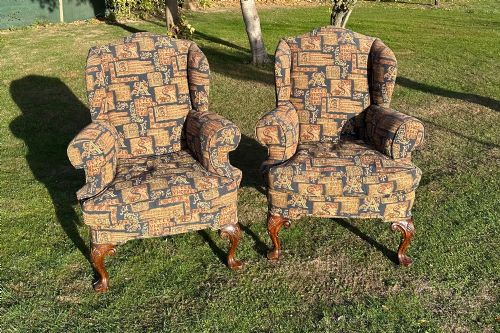
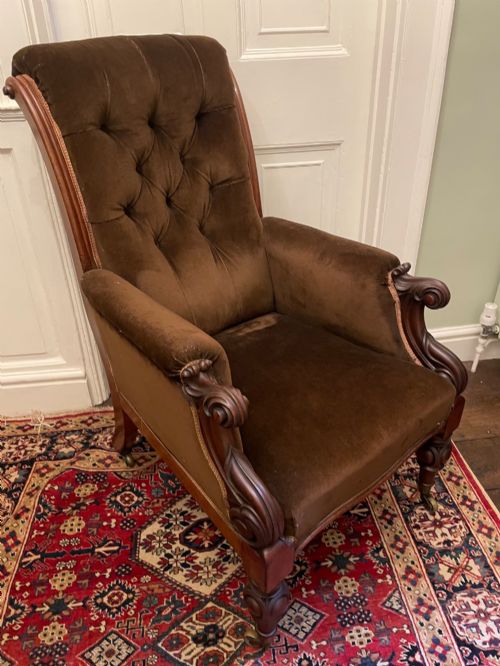
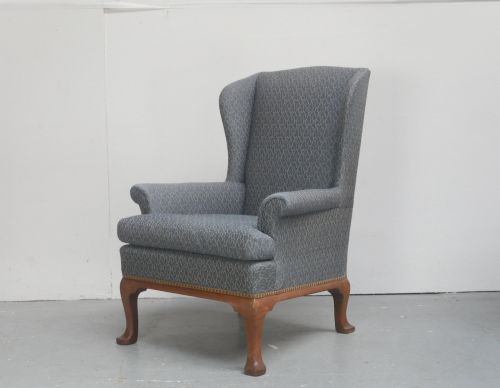
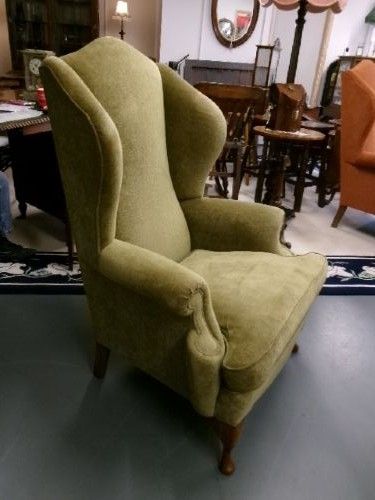
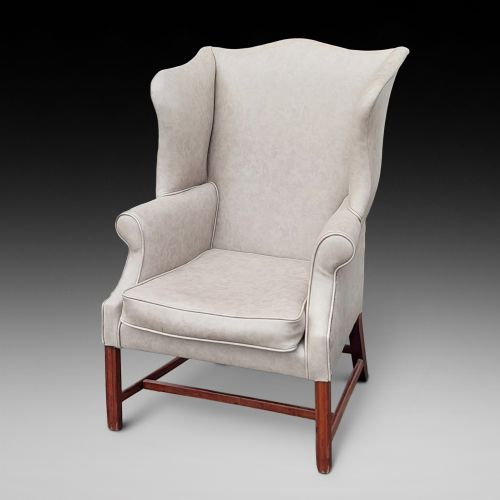
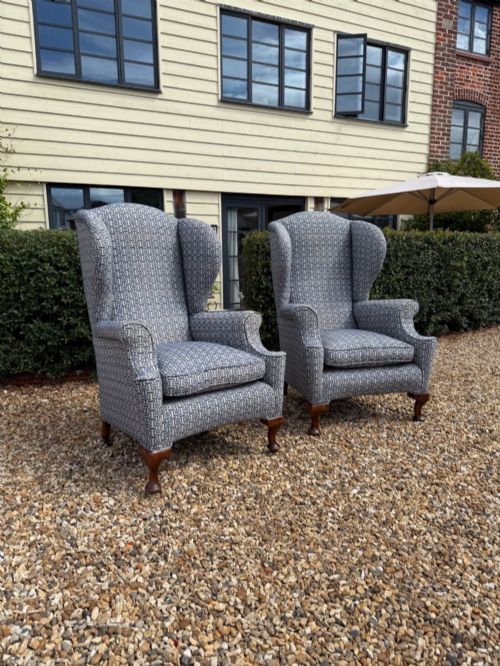
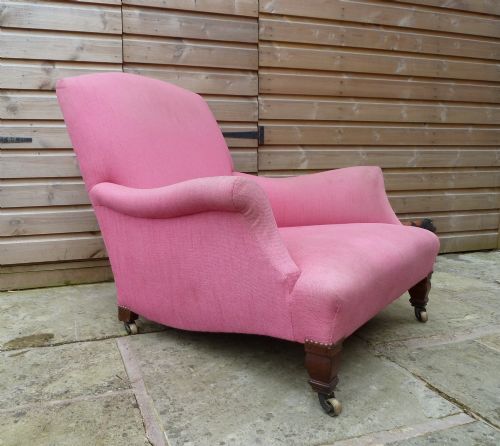
Classic armchairs encompass a wide variety of seating forms, ranging from substantial wingbacks to low club chairs and library seats. These pieces emerge from periods such as the Georgian era, the Victorian epoch, and the 1930s, reflecting changing domestic habits.
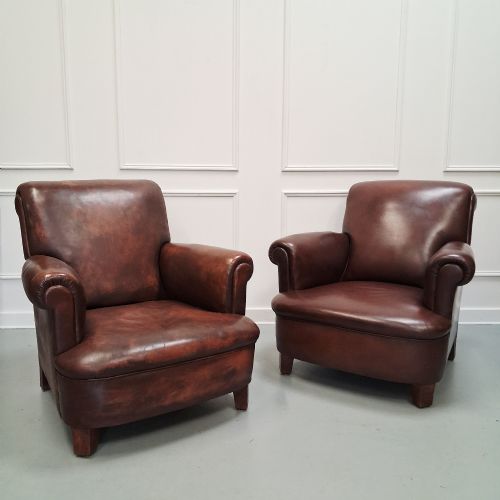
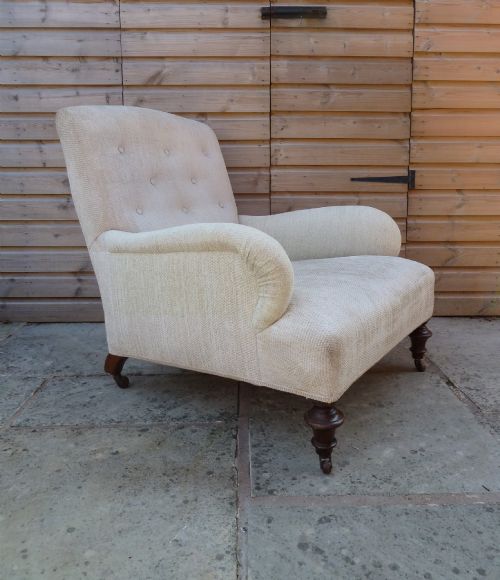
Buyers frequently encounter timber-framed models alongside fully upholstered examples upholstered in leather or velvet. The selection includes specific regional variants like Scottish armchairs and French club chairs designed for deep repose.
Stylistic influences stretch from George III and Regency designs through to Edwardian refinement and Art Deco curves. This diversity allows collectors to select chairs that suit formal salons, libraries, or modern sitting rooms.
Materials and construction
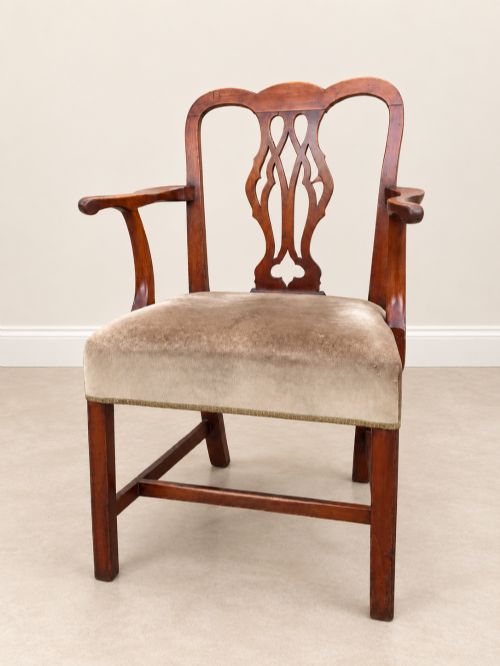
Makers utilised dense hardwoods such as mahogany, walnut, yew, and rosewood for structural frames, legs, and exposed arm supports. These timbers often received carved, reeded, or inlaid decorative treatments suited to prevailing tastes of the century.
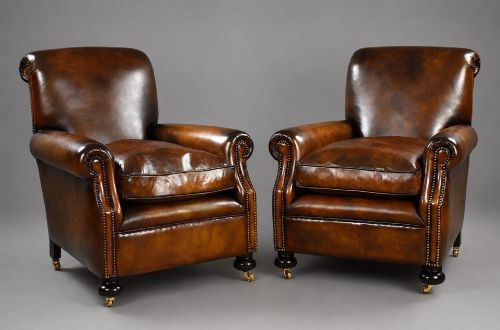
Upholstery relied on traditional stuffing methods employing fabric, velvet, or leather fixed over robust internal webbing and springs. Brass elements occasionally appeared in castors, studs, and decorative mounts on club chairs and wingbacks.
Classic Armchairs Retail Price Guide 2026
Typical asking prices for classic armchairs among the pieces listed under this phrase on Sellingantiques today, from the lower quarter to the upper quarter. They describe what is for sale here now, not the wider market.
Listings feature mahogany, rosewood, and yew alongside leather, velvet, and standard upholstery fabrics spanning the Georgian period to the 1930s.
Assessing quality and finish
The integrity of the wooden frame dictates the baseline standard, with tight joints and crisp carving separating superior examples from simpler production. Original timber patination and honest age-related wear hold greater appeal than over-restored surfaces.
Upholstery quality depends on the grade of leather or fabric and the fidelity of any reupholstery to traditional methods. Weight and balance in large wingbacks or club chairs indicate robust internal engineering.
HOWARD AND SONS
The Classic Armchairs Glossary
- Wingback armchair
- A large seat featuring protective side panels designed to shield the sitter from draughts. These upholstered forms frequently date from the Georgian and Victorian periods.
- Club chair
- A deep, heavily upholstered low seat traditionally covered in leather. These comfortable chairs gained popularity during the early twentieth century.
- Bergere
- An enclosed armchair with stuffed upholstery and exposed wooden framing, often featuring cane panels on the back and sides. French makers utilised walnut and mahogany for these refined seats.
- Carver
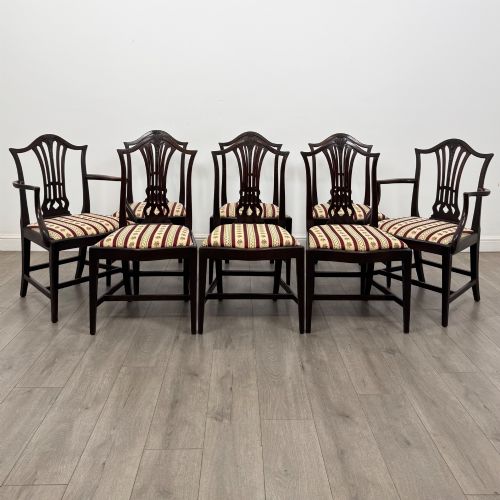
- An armchair designed to match a set of dining chairs, typically positioned at the head of a table. These pieces feature supportive elbow rests.
- Ropeback
- A chair design incorporating carved timber rails twisted to resemble knotted rope. This decorative detail appears on Regency and nineteenth-century dining and library seats.
Classic Armchairs: Frequently Asked Questions
What defines a club chair?
A club chair is a deep, low-slung seat traditionally upholstered in supple leather designed for maximum relaxation.
These pieces typically date from the twentieth century and feature generous cushioning paired with a solid timber frame.
How do I identify a wingback chair?
Wingback chairs feature characteristic fabric-covered wings extending from the upper back to trap heat and block room draughts.
Originating in earlier centuries, these substantial seats appear in both Georgian styles and later nineteenth-century interpretations.
Where should I place a library chair?
Library chairs suit studies, reading corners, or drawing rooms where comfortable, upright seating is required for extended periods.
Their sturdy timber construction and supportive armrests complement traditional desks and bookshelves.
Are these chairs suitable for daily use?
Most classic armchairs are constructed from durable hardwoods and sturdy upholstery designed to withstand regular domestic sitting.
Buyers should verify the internal webbing and padding condition if the chair is intended for heavy daily lounging.