




Chromolithograph Wall Art
Chromolithograph wall art brings vibrant multi-coloured printing from the nineteenth and early twentieth centuries straight to your walls.
Chromolithograph Wall Art
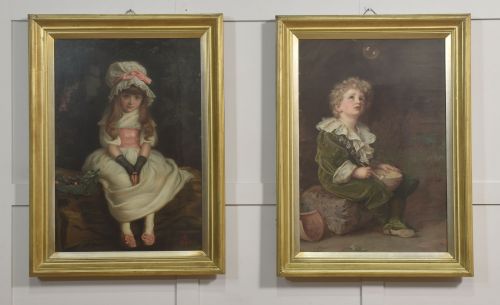
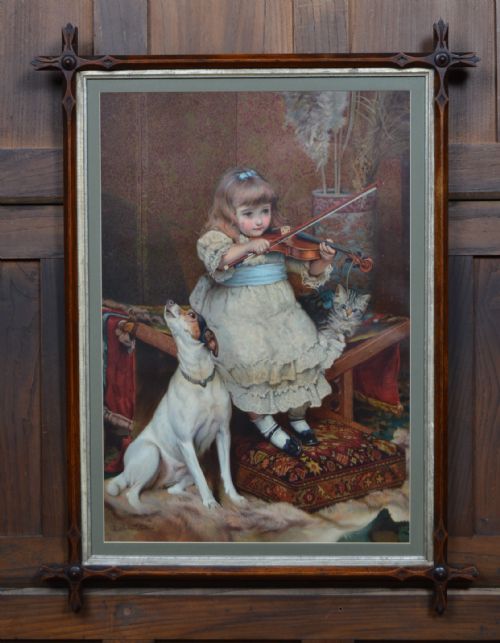
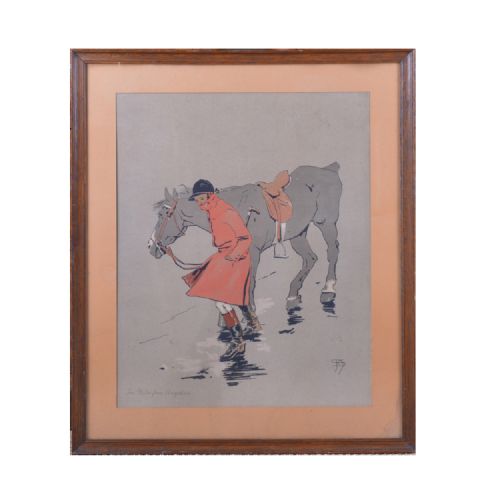
Chromolithograph wall art encompasses multi-coloured planographic prints produced during the Victorian and Edwardian eras, often framed in wood or gesso. You will most frequently encounter framed prints and advertising plates from this period, including famous publisher series like Pears and Vanity Fair.
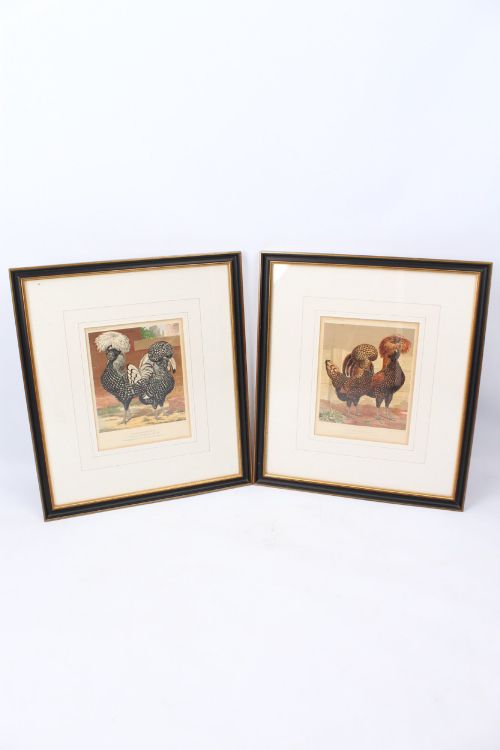
The subjects span domestic animals, sporting scenes, botanical studies, and societal portraits. These pieces reflect the popular visual culture of the nineteenth century, ranging from French artistic subjects to British sporting art.
How they were made
These works utilise stone lithography processes where separate limestone blocks apply individual ink colours to paper, sometimes enhanced with gold leaf. The resulting multi-layered impression creates rich, oil-painting-like colour saturation.
Framing materials accompanying these prints include oak, gilt, and moulded gesso frames, occasionally protected behind glass.
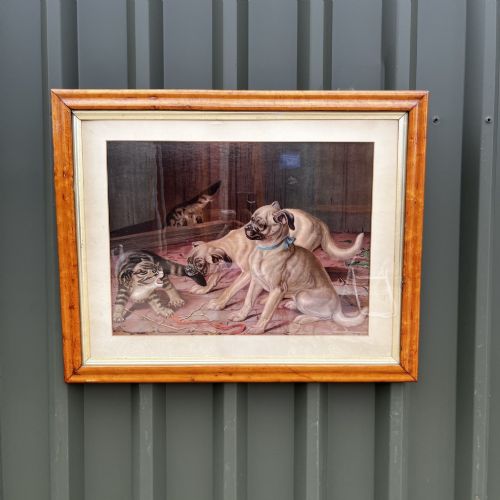
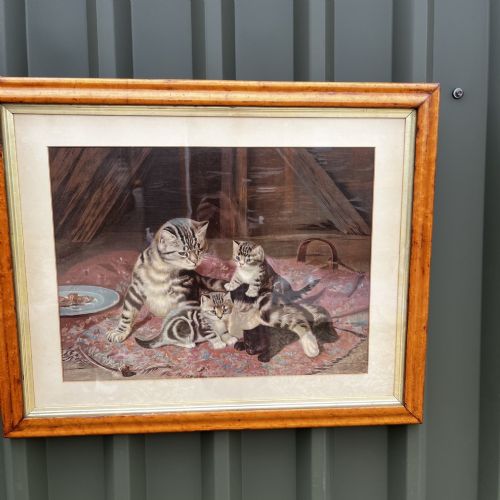
Pugs, kittens, and prize-winning pears share wall space in this enduring collection of Victorian printed ephemera.
What varies in quality
The precision of colour registration separates standard commercial print runs from finer artistic productions, as misaligned stones create blurred outlines. Finer examples retain their original ink vibrancy without heavy fading from light exposure.
The sophistication of the original framing, such as period carved wooden frames or original gesso surrounds, elevates the overall piece compared to later replacement mounts.
Horatio Henry Couldrey·Charles Burton Barber·Frank Algernon Stewart
The Chromolithograph Wall Art Glossary
- Chromolithograph
- A multi-coloured print produced using lithographic stones, where a separate stone is used for each ink colour. This technique dominated commercial and fine art reproduction in the nineteenth century.
- Gesso
- A plaster-like mixture applied to wood frames before gilding or painting, allowing intricate decorative moulding. It provides the ornate textural borders seen on many period frames.
- Lithograph
- A planographic printing method based on the mutual repulsion of oil and water, using a flat stone or metal plate. The artist or technician draws directly onto the surface with a greasy medium.
- Chrystoleum
- A Victorian method of applying a transparent photograph or print to glass, hand-tinting it from behind, and backing it to create depth. It results in a glossy, enamel-like appearance distinct from standard paper prints.
Chromolithograph Wall Art: Frequently Asked Questions
What is chromolithograph wall art?
Chromolithograph wall art consists of multi-coloured prints created through nineteenth-century stone lithography techniques. Publishers and artists used this method to reproduce paintings, advertisements, and botanical studies with striking colour depth.
These pieces capture the popular aesthetic of the Victorian and Edwardian periods. They survive today as framed windows into nineteenth-century visual culture.
How do I care for these prints?
Protect antique paper prints from direct sunlight to prevent the coloured inks from fading over time. Maintaining stable indoor humidity levels also safeguards both the paper and any original wooden or gesso framing.
Displaying them behind glass helps shield the delicate surface from dust and atmospheric pollutants. Gentle dusting of the frame with a dry cloth is sufficient for routine maintenance.
How do I identify a chromolithograph?
Under magnification, a true chromolithograph reveals a pattern of fine coloured dots or distinct ink layers rather than the uniform dot matrix of modern offset printing. The surface often shows a rich, flat ink texture.
Period examples typically exhibit paper toning consistent with nineteenth-century manufacture. They also frequently feature publisher text or registration marks from the printing establishment.
Where were these pieces displayed?
Original Victorian households displayed these framed prints in parlours, hallways, and drawing rooms as accessible decoration. Advertising plates from series like Pears soap also hung in public spaces and family homes alike.
They served as both affordable fine art substitutes and popular cultural markers of the era. Today, they translate easily to contemporary interiors seeking historical character.