

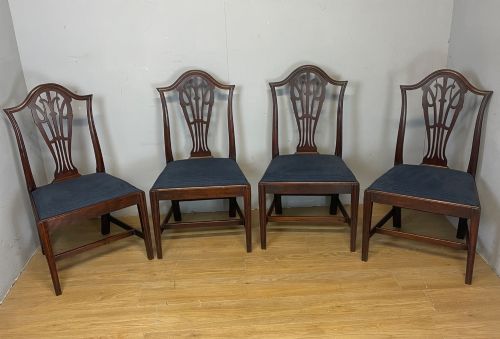
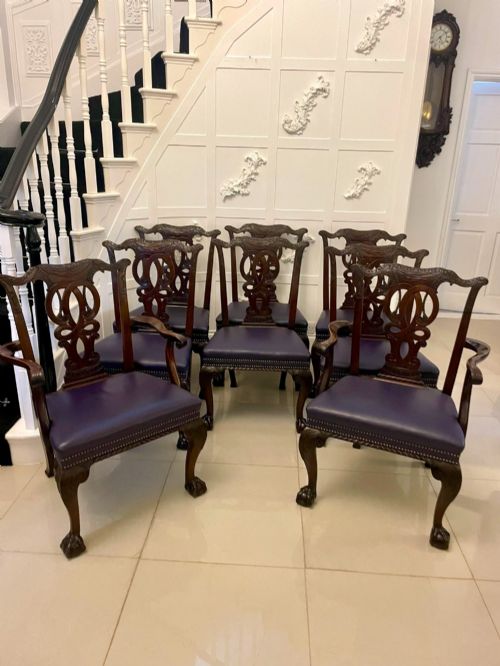
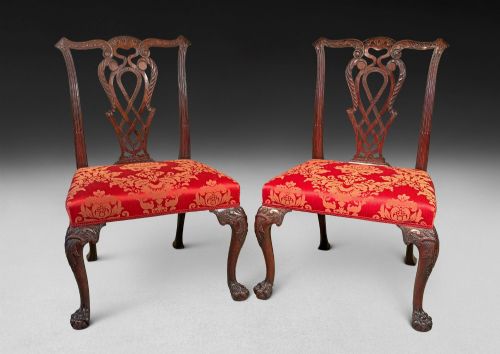
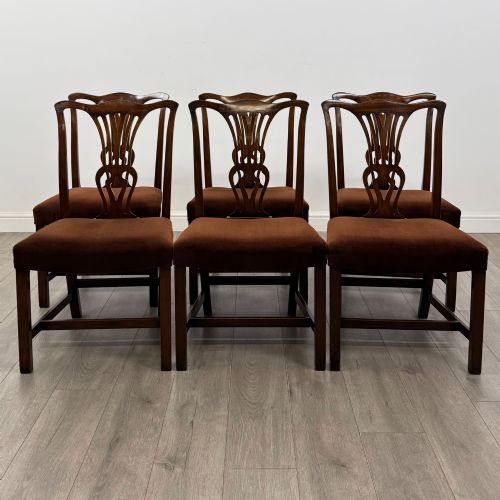
Chippendale Seating
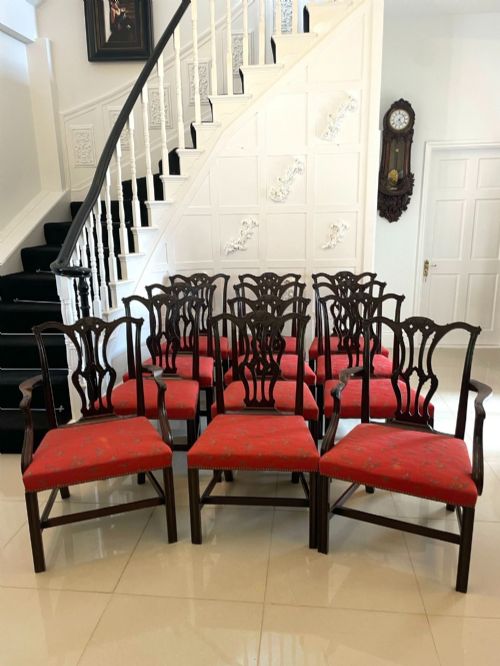
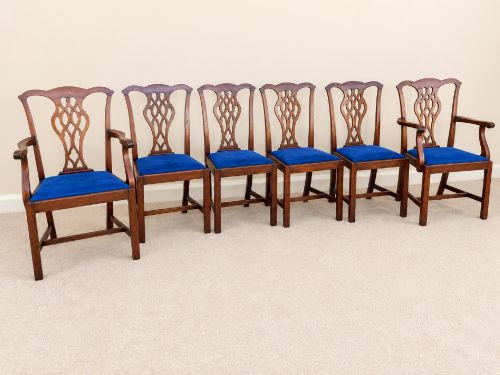
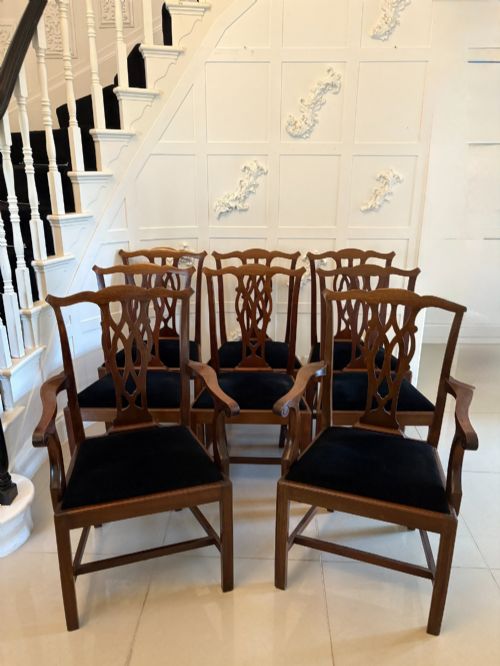
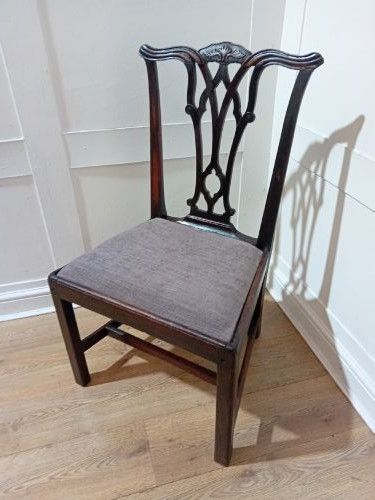
Chippendale seating encompasses chairs, settees and stools executed in solid mahogany, walnut, fruitwood and elm, bringing classical carving and proportion into domestic interiors.
Chippendale Seating
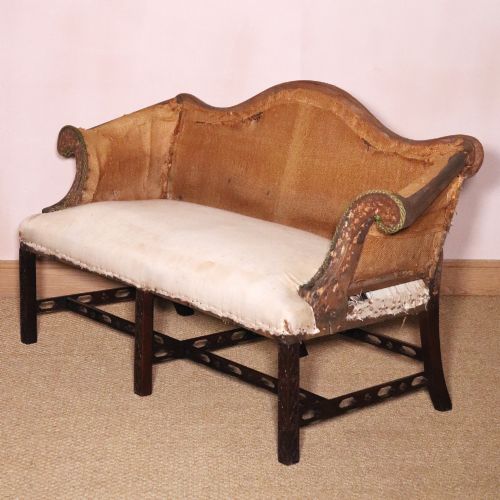
When you search for chippendale seating, you encounter dining chairs, armchairs, library chairs, settees, stools and benches spanning the eighteenth century to the early twentieth century. Georgian and George III originals sit alongside nineteenth century Victorian interpretations and later Chippendale revival copies.
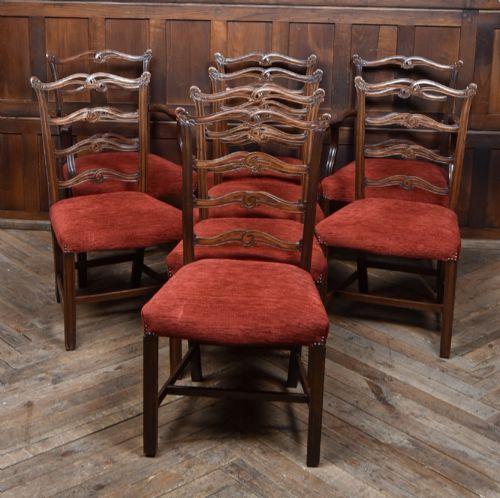
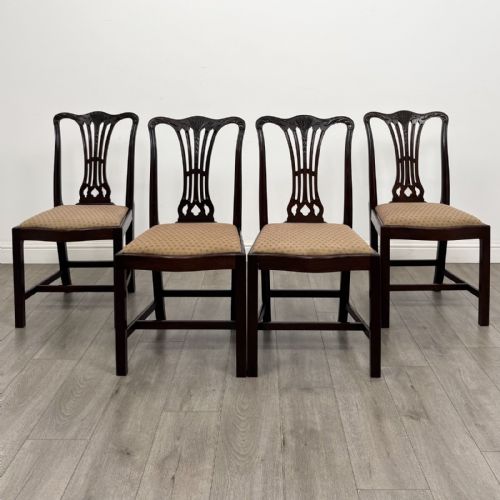
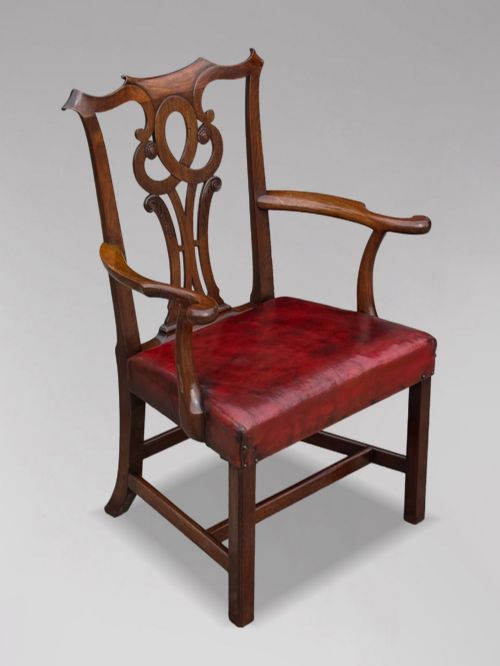
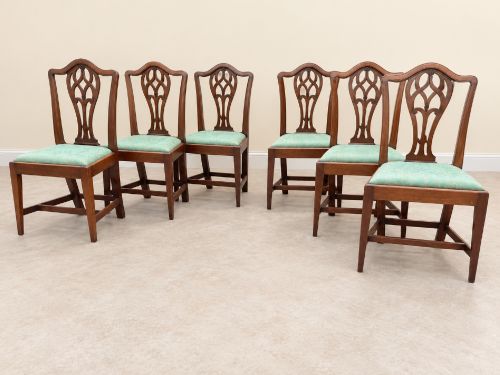
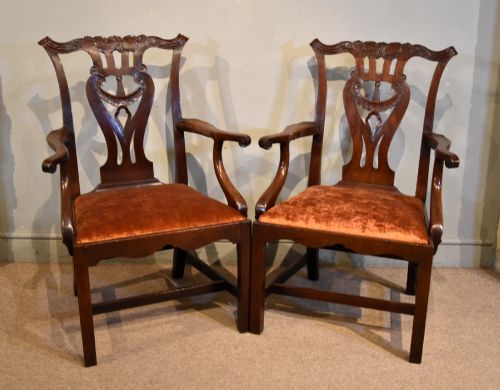
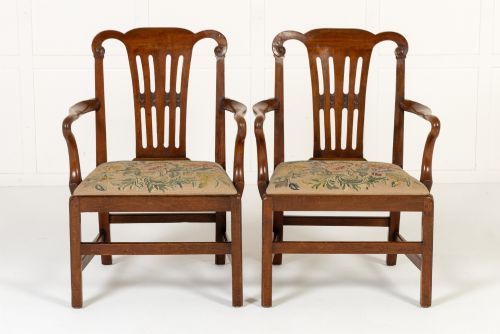
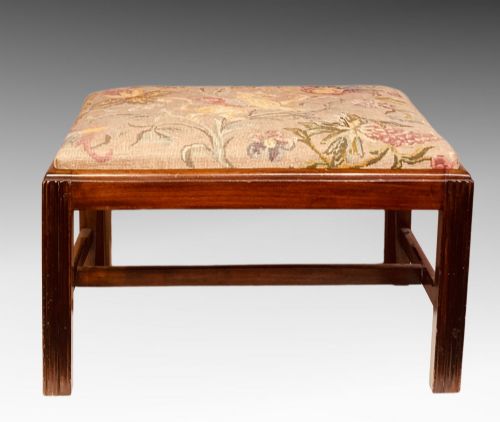
The dominant form on this page is the dining chair, often found in sets ranging from pairs to twelve or more pieces. Alongside these stand larger library armchairs, Gainsborough chairs upholstered in leather, and occasional stools with pierced splats or carved frames.
How they were made
Makers relied primarily on mahogany, alongside supplementary timbers such as walnut, elm and fruitwood for regional or country variants. Frames are joined with traditional cabinetmaking techniques to support carved backs, pierced splats and intricate ball and claw feet.
Upholstered elements utilise traditional stuffing materials covered in fabric, leather, velvet, tapestry or wool textiles, secured with brass detailing where appropriate to the period.
Chippendale Seating Retail Price Guide 2026
Typical asking prices for chippendale seating among the pieces listed under this phrase on Sellingantiques today, from the lower quarter to the upper quarter. They describe what is for sale here now, not the wider market.
Listings feature seating spanning the Georgian period through to the Edwardian era, constructed in mahogany, fruitwood, elm and walnut.
What varies in quality
The distinction between tiers rests upon the crispness of the hand-carving on the crest rails, ribbon backs and ball and claw feet. Earlier eighteenth-century examples exhibit fluid joinery and native timber selection that contrasts with later mechanical production.
Completeness of sets and uniformity across large groups of dining chairs dictate value, alongside the original integrity of the drop-in or upholstered seats.
Waugh & Son·Warings·Howard and Sons
The Chippendale Seating Glossary
- Pierced splat
- The vertical wooden centrepiece of a chair back pierced with decorative cut-outs. This technique defines much of the stylistic vocabulary associated with Chippendale seating.
- Gainsborough chair
- A wide, upholstered armchair with open padded arms, low sides and short legs. These pieces typically feature mahogany frames and leather or fabric upholstery.
- Chinese Chippendale
- A sub-style characterised by geometric lattice fretwork, square legs and pagoda-inspired motifs. It draws directly upon eighteenth-century interpretations of Chinese design.
- Camel back
- A serpentine curved top rail on a settee or sofa resembling a camel's hump. This profile provides structural strength and visual elegance to larger upholstered seating.
- Blind carving
- Low-relief ornamentation carved directly onto a solid flat surface to simulate fretwork. It appears frequently on the square pillar legs of mid-Georgian library chairs.
Chippendale Seating: Frequently Asked Questions
How do I date a Chippendale chair?
Dating relies on assessing the timber density, hand-cut joinery marks, and the tool work visible within the carved splats and leg brackets. Eighteenth-century pieces display organic tool variations absent in later revival copies.
Changes in proportion and secondary framing timbers also help distinguish a George III original from a Victorian or Edwardian interpretation.
Are these chairs suitable for daily dining?
Original eighteenth-century dining chairs require careful consideration regarding weight capacity and frame stability after centuries of use. Many buyers choose robust nineteenth-century revival sets for practical everyday dining.
Checking the internal glue blocks and seat frame stability ensures safe daily utility without compromising historical integrity.
What is the difference between George III and Chinese Chippendale?
George III pieces typically showcase classical European ribbon backs, ball and claw feet, and acanthus leaf carving on solid mahogany. Chinese Chippendale incorporates geometric fretwork panels and square, chamfered legs.
Both styles emerged during the same mid-eighteenth century window but served different aesthetic demands within elite interiors.
How should I care for antique leather upholstery?
Leather seat pads benefit from regular dusting with a dry cloth and occasional treatment with appropriate conservation balms to prevent cracking. Avoiding direct sunlight preserves the hand-dyed finish of English hide.
Original textiles and tapestries require strictly dry cleaning methods and protection from sustained environmental heat sources.