

Chippendale Period Seating
Chippendale period seating brings solid mahogany frames and carved details into domestic interiors, spanning original 18th-century pieces and later revivals.
Chippendale Period Seating
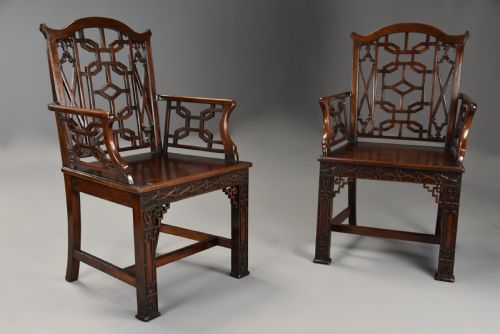
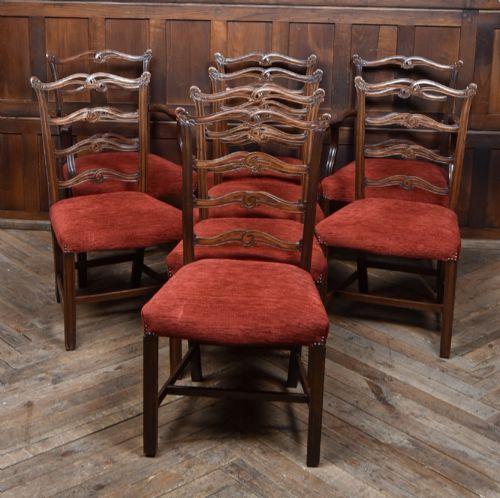
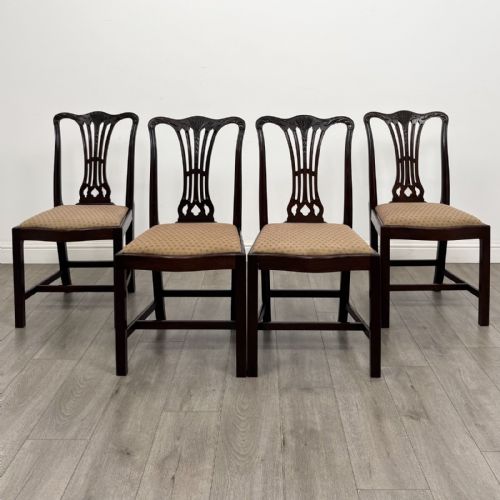
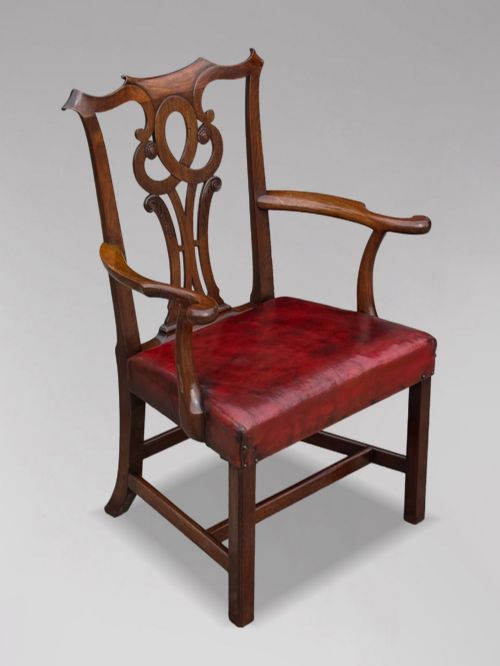
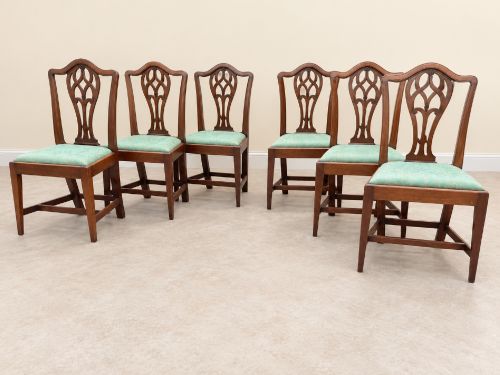
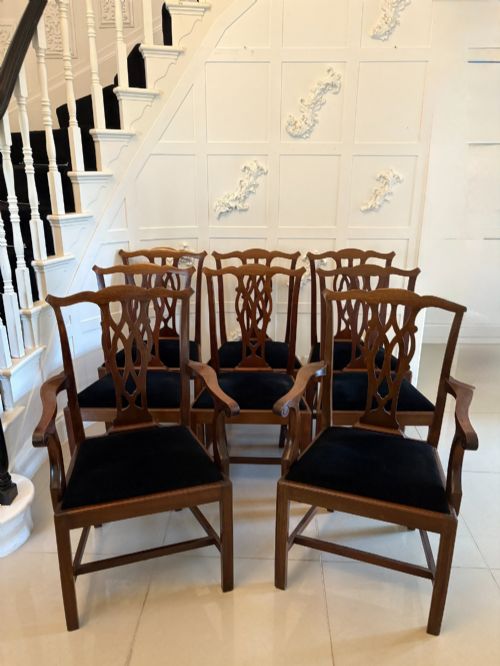
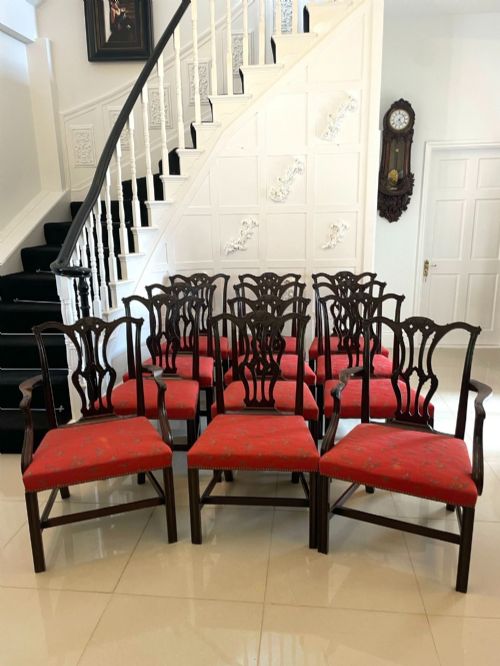
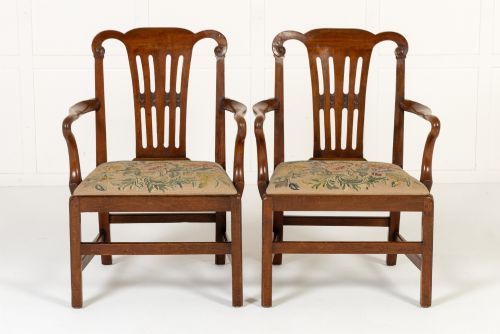
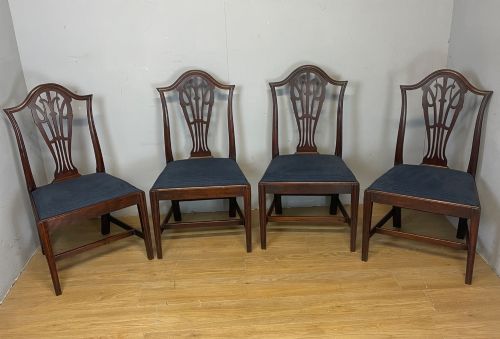
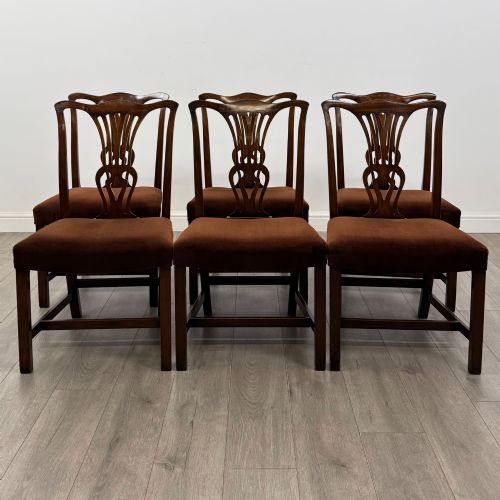
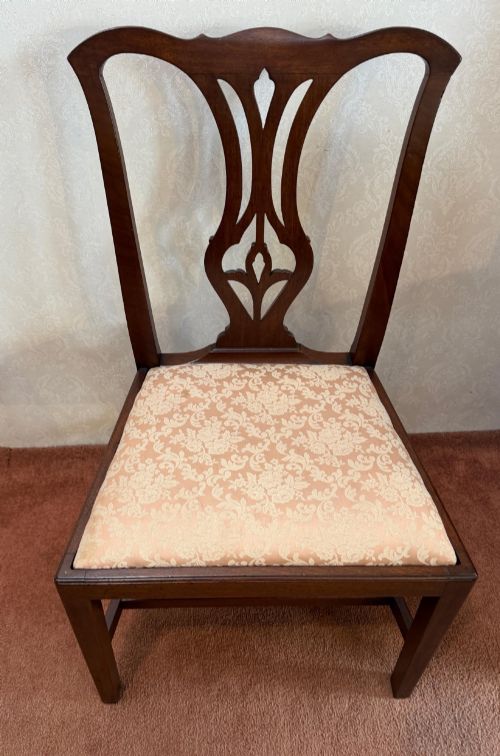
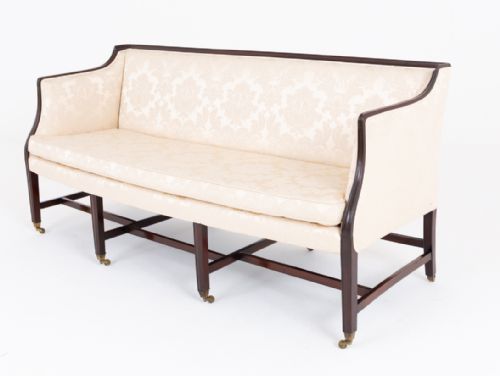
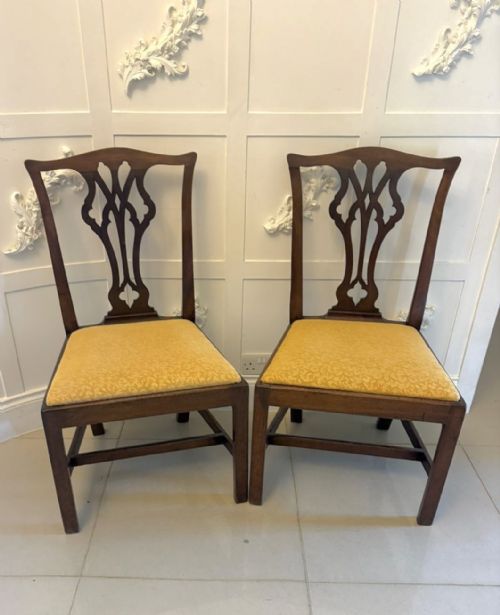
When buyers search for chippendale period seating, they encounter various forms including dining chairs, armchairs, side chairs, settees, and stools. The selection ranges from authentic 18th-century Georgian pieces to 19th-century Victorian interpretations and Edwardian revivals.
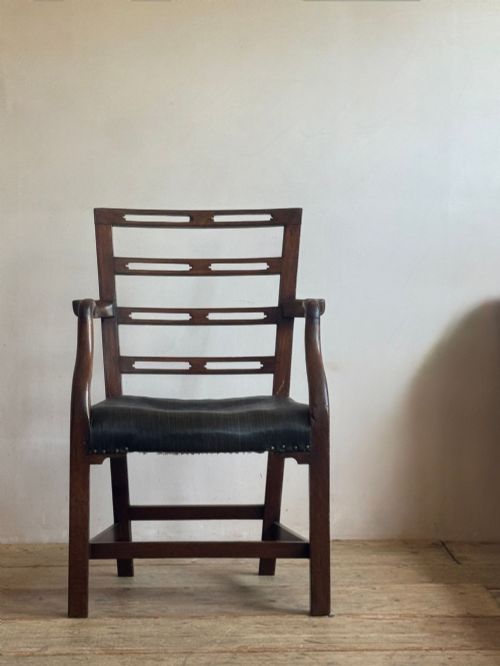
Most items on this page appear as sets of dining chairs or single armchairs made from mahogany. Buyers will also find walnut pieces, library chairs, and occasional settees spanning the Georgian and Victorian eras.
Materials and Construction
Makers utilised solid mahogany and walnut for the structural frames, often carving details into the wood. Joinery techniques connect the rails, legs, and backs to support daily use.
Seats incorporate materials such as leather, fabric, tapestry, velvet, brass, and damask. Upholstery methods secure these textiles over padding or webbing within the wooden frames.
Chippendale Period Seating Retail Price Guide 2026
Typical asking prices for chippendale period seating among the pieces listed under this phrase on Sellingantiques today, from the lower quarter to the upper quarter. They describe what is for sale here now, not the wider market.
Listings feature mahogany and walnut frames paired with leather, tapestry, and damask upholstery across Georgian and Victorian periods.
Assessing Quality
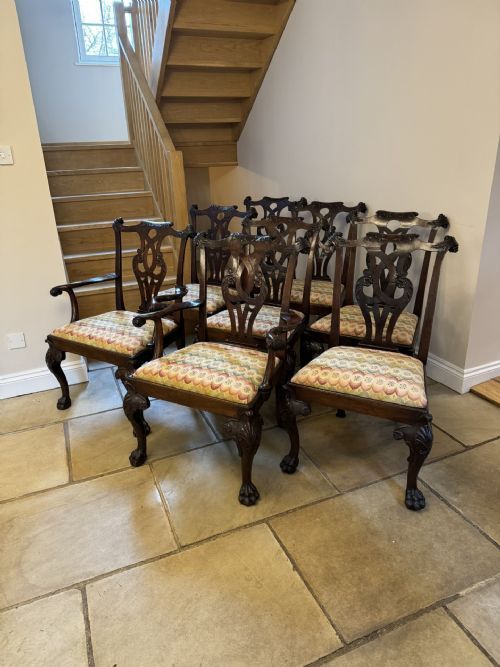
The degree of hand-carving on the timber defines the visual distinction between standard items and superior examples. Crisp execution in details like ribbon backs or claw and ball feet separates finer pieces from simpler counterparts.
The integrity of the original wood grain and the retention of period upholstery materials influence the standing of an item. Cohesion within larger sets of dining chairs also dictates desirability.
William Walker & Sons
The Chippendale Period Seating Glossary
- Chippendale
- A style of English furniture design popular in the 18th century, named after cabinetmaker Thomas Chippendale. It incorporates rococo, Chinese, and Gothic motifs into chairs and settees.
- Carver
- An armchair designed for the head of a dining table, featuring supportive side arms. These pieces match the smaller side chairs in a dining set.
- Gainsborough armchair
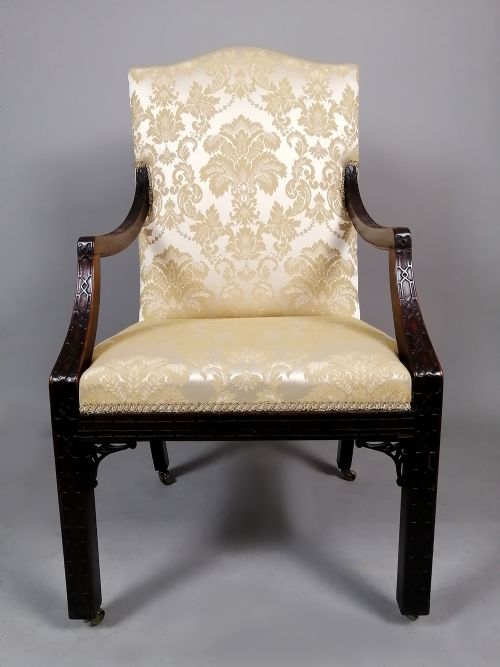
- A wide upholstered armchair with a low back, open padded arms, and short wooden legs. These seats date from the Georgian period and frequently feature leather upholstery.
- Ribbon back
- A chair back design where the central splat resembles intertwined ribbon loops. This carved wooden form appears in Georgian seating.
- Claw and ball
- A furniture foot motif depicting a bird's talon gripping a spherical ball. This carved detail terminates the legs of 18th-century chairs.
Chippendale Period Seating: Frequently Asked Questions
What defines chippendale period seating?
These pieces originate from the 18th century onwards, constructed primarily from mahogany with carved wooden details. Forms include dining chairs, library armchairs, and settees.
Design traits encompass pierced splat backs, cabriole legs, and varied upholstery including leather and tapestry.
How do I care for antique upholstery?
Historic fabrics and leather require gentle cleaning to preserve the textile fibres. Keep seats away from direct sunlight to prevent fading.
Regular dusting of the wooden frames helps maintain the polished mahogany surface.
How do I distinguish original 18th-century pieces from revivals?
Original pieces date from the Georgian era around the mid-to-late 1700s, showing period construction methods in the timber frames. Revivals emerge later during the Victorian and Edwardian periods.
Examination of the wood patination and joinery aids in identifying the manufacturing era.
Were these seats used only for dining?
Dining chairs served around the table, but the inventory also includes library armchairs, morning room seats, and hall chairs. Settees provided seating for multiple occupants in communal rooms.
Stools functioned as movable footrests or auxiliary seats.