



Chinese Cocktail Table
A chinese cocktail table brings low, sculptural form and rich surface pattern into a room, offering both practical table space and strong decorative character.
Chinese Cocktail Table
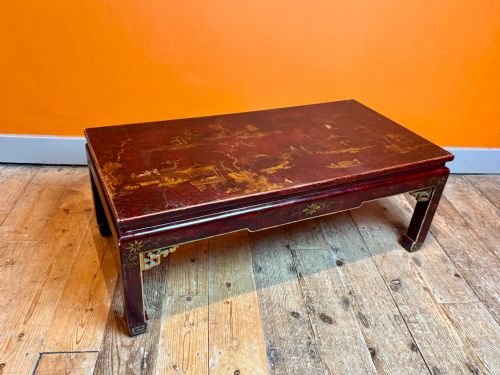
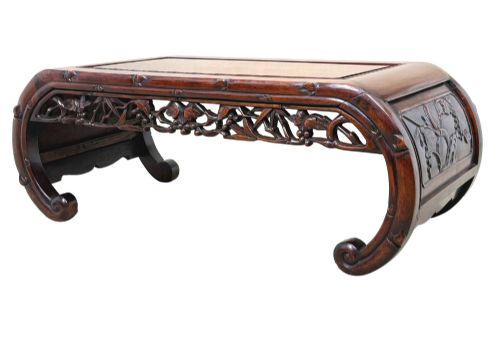
A chinese cocktail table takes the form of a low table, coffee table, or opium table designed for entertaining and daily use. These pieces bridge traditional Asian furniture forms with Western domestic requirements.
The selection on this page draws primarily from the nineteenth century, the Victorian era, and early twentieth-century decades up to nineteen thirty. Styles range from Chinese export and Qing dynasty traditions to Edwardian chinoiserie and Asian revival designs.
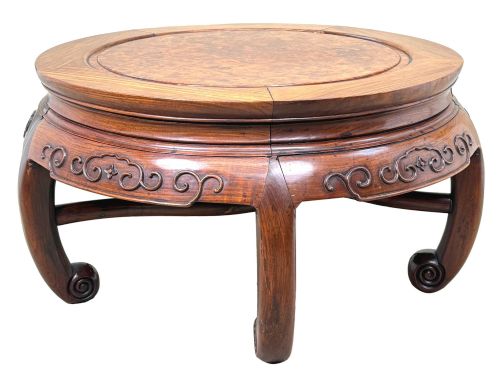
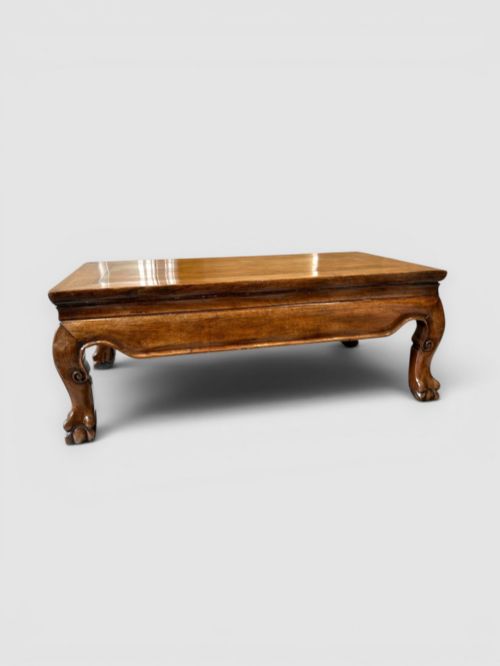
Buyers encounter circular shapes, low rectangular profiles, and compact low tables suited to modern seating arrangements. Hardwood construction and lacquered surfaces define the physical presence of these items.
How they were made
Cabinetmakers utilised dense timbers including rosewood, elm, and general hardwoods to build sturdy frames capable of withstanding daily use. These woods provide the structural integrity and heavy weight characteristic of traditional Asian joinery.
Surface decoration frequently involves black and gilt lacquer applied in layers, alongside raised relief detail and applied soapstone elements. Glass tops occasionally protect delicate lacquered or polished wooden surfaces.
Export workshops combined traditional Chinese joinery techniques with stylistic adaptations intended for European and British drawing rooms.
Chinese Cocktail Table Retail Price Guide 2026
Typical asking prices for chinese cocktail table among the pieces listed under this phrase on Sellingantiques today, from the lower quarter to the upper quarter. They describe what is for sale here now, not the wider market.
Materials documented across the catalogue include rosewood, elm, lacquer, gilt, glass, and soapstone.
What varies in quality
Quality rests in the depth of the lacquer finish, the crispness of raised relief work, and the handling of gilt decoration. Superior pieces display intricate pictorial detail and well-preserved surface patination.
The choice of timber creates a distinct divergence in quality, with dense rosewood and well-figured elm representing higher craftsmanship than simpler softwood carcases. Structural refinement in the legs and aprons distinguishes fine export items from utilitarian variants.
The Chinese Cocktail Table Glossary
- Chinoiserie
- European artistic style reflecting Chinese motifs and decorative techniques. It appears frequently on early twentieth-century lacquered tables.
- Opium table
- Low traditional table form adapted into modern coffee tables. These low pieces sit close to the floor with simple or recessed legs.
- Hardwood
- Dense, durable timber such as rosewood or elm used in cabinetmaking. It provides strength and a heavy feel to nineteenth-century examples.
- Lacquer
- Protective and decorative resin finish applied in multiple coats. It forms a smooth, glossy surface often enhanced with gilt painting.
- Soapstone
- Soft mineral carved into decorative motifs and applied to furniture surfaces. It adds tactile dimension to raised relief panels.
Chinese Cocktail Table: Frequently Asked Questions
How are chinese cocktail tables used?
These low tables serve as functional centrepieces in a sitting room, holding drinks, books, or decorative objects while maintaining an open sightline across the room.
Their modest height makes them particularly suited for pairing with low sofas and contemporary seating layouts.
What periods do these tables come from?
The pieces span the nineteenth and early twentieth centuries, including Victorian, Edwardian, and mid-century interpretations.
Dates range from eighteen eighty through to nineteen thirty, encompassing both export pieces made for Western markets and traditional forms.
What materials are typical for these tables?
Construction relies heavily on woods such as rosewood, elm, and general hardwood frames.
Surfaces are frequently finished with black and gilt lacquer, sometimes incorporating raised relief details, soapstone elements, or protective glass tops.
How do export styles differ from traditional ones?
Export pieces were specifically manufactured to suit Western domestic tastes and interior decoration trends popular in Britain during the Victorian and Edwardian eras.
Traditional styles adhere more closely to historical Chinese furniture forms, such as opium tables and low scholar's tables.