






Chinese Carved Lamp
A chinese carved lamp brings heavy rosewood, root wood and converted porcelain into a room with warmth and texture.
Chinese Carved Lamp
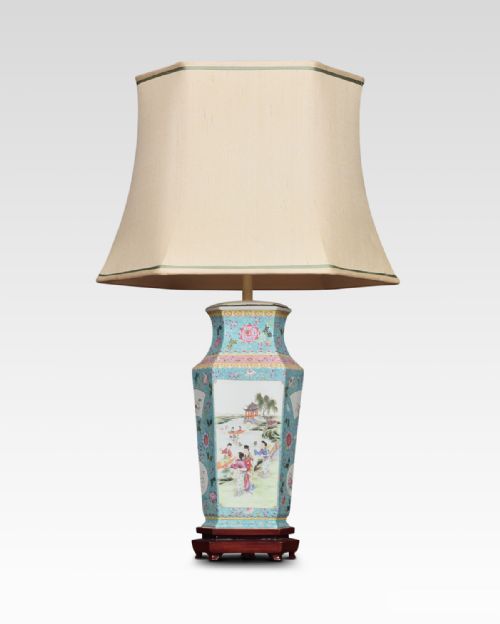
When you search for a chinese carved lamp, you enter a field defined by nineteenth-century and early twentieth-century lighting fixtures and converted vessels. These pieces range from standard lamps and floor lamps in padauk or huali hardwood to celadon, famille verte, and sang de boeuf porcelain vases fitted for electricity. Many items trace their origins to the Qing Dynasty or the export trade, combining traditional woodwork with later electrical adaptation.
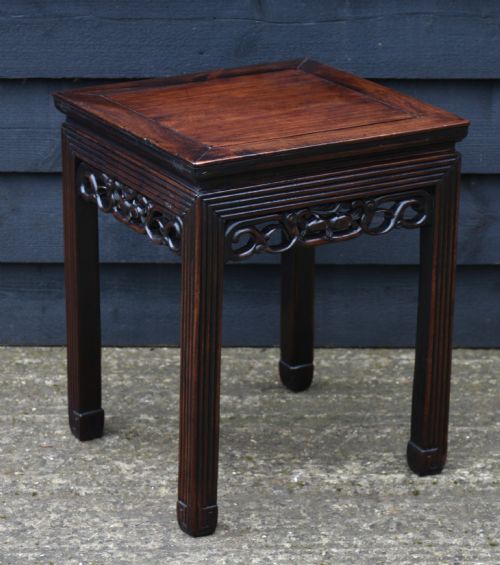
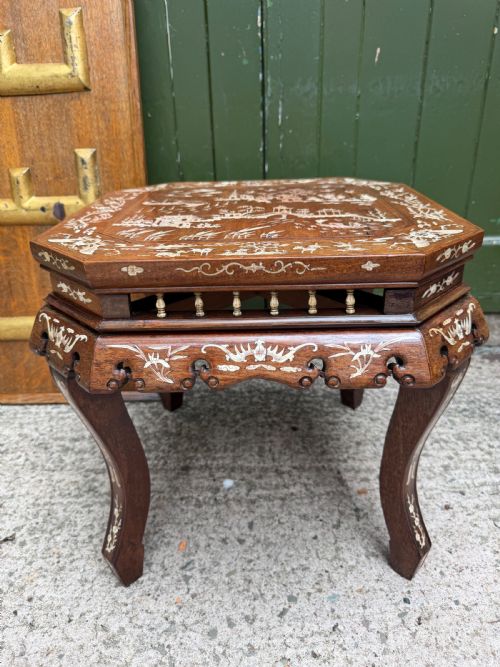
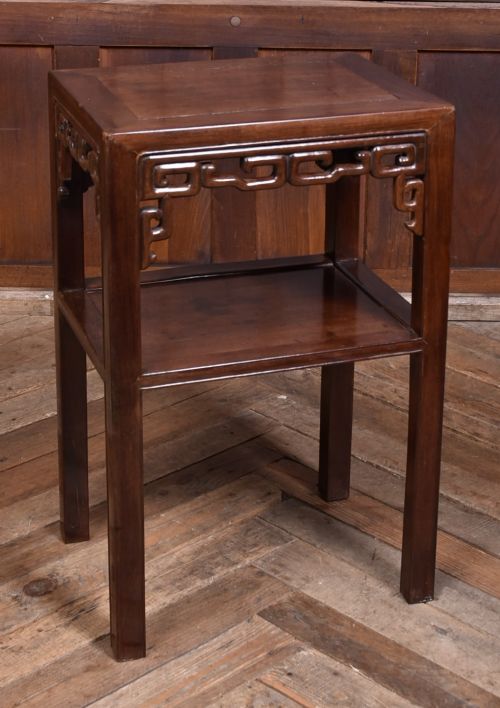
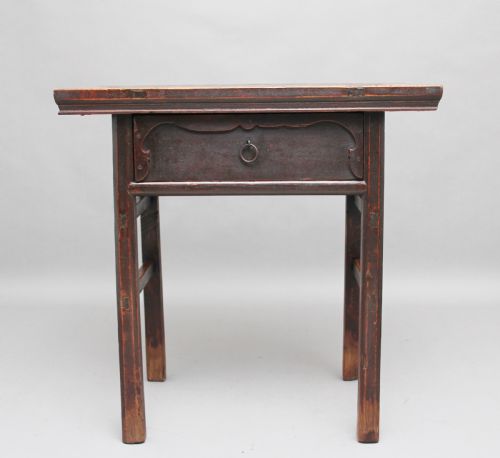
The most common forms on this page include carved root wood lamp bases alongside tall hardwood standards and repurposed ceramic ginger jars or vases. Alongside dedicated lamps, buyers frequently encounter tables such as low square tables, lantern stands, and jardiniere stands that serve similar decorative functions. These items reflect both native Chinese domestic design and pieces tailored for Western interiors during the Victorian and Edwardian periods.
Materials and construction
Ceramic elements utilise traditional porcelain bodies finished with monochrome, celadon, or famille verte glazes before later conversion into table lamps. Brass fittings and fabric shades are integrated during subsequent adaptation for domestic illumination.
Chinese Carved Lamp Retail Price Guide 2026
Typical asking prices for chinese carved lamp among the pieces listed under this phrase on Sellingantiques today, from the lower quarter to the upper quarter. They describe what is for sale here now, not the wider market.
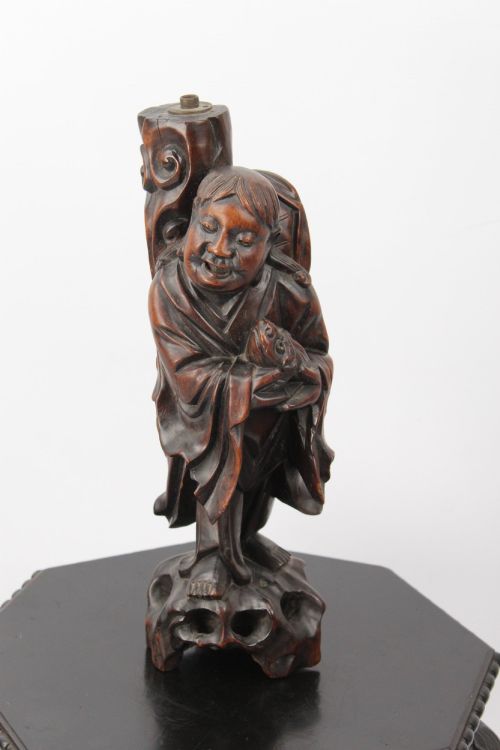
Root wood lamp bases capture the wild, eccentric knots of ancient timber that carvers transformed into dragons and twisting branches.
Assessing quality in carving and material
The standard of a chinese carved lamp rests on the crispness of the timber carving and the density of the chosen wood. Deeply undercut foliage, dragons, or figures carved from rosewood or huali demonstrate superior craftsmanship compared to shallow or mechanical surface decoration.
Condition of the material and the integrity of any converted ceramic body dictate the upper tier of the range. Original patination on unpainted hardwoods and well-preserved porcelain glazes distinguish finer examples from later reproductions or heavily altered pieces.
The Chinese Carved Lamp Glossary
- Hardwood
- Dense timber such as rosewood, padauk, or huali used for structural stability and fine carving. These woods take a dark, lustrous polish.
- Celadon
- A pale green or grey-green glaze applied to porcelain bodies. It originates from high-fired kilns and often coats early vase lamps.
- Root wood
- Gnarled timber sections shaped by artisans into sculptural lamp bases. Each piece follows the natural growth pattern of the root.
- Famille verte
- A Qing Dynasty green-dominant polychrome enamel palette used on porcelain vases. These ceramics frequently form the bodies of table lamps.
- Qing Dynasty
- The final imperial dynasty of China, spanning from sixteen-forty-four to nineteen-twelve. Many carved wooden stands and lamp components date from its later decades.
Chinese Carved Lamp: Frequently Asked Questions
How do I identify the wood?
Examining the weight, grain, and colour helps determine the timber used in stands and lamp bases. Dense varieties such as rosewood, padauk, and huali display deep natural tones and heavy substance.
Lighter pieces often utilise elm or mahogany, while root wood exhibits irregular, organic contours shaped directly from tree roots.
Were these originally made as lamps?
Many examples began life as vases, ginger jars, or decorative stands before receiving electrical wiring in the twentieth century. Porcelain vessels like celadon and famille verte jars were frequently converted for domestic illumination.
Dedicated standards and floor lamps were built specifically to hold light fittings during the late nineteenth and early twentieth centuries.
How do I date these pieces?
Dating relies on the stylistic markers of the Qing Dynasty, Victorian production methods, and the quality of the timber or ceramic body. Nineteenth-century examples show hand-worked joinery and patination accumulated over decades of use.
Later pieces from around nineteen-twenty often incorporate early twentieth-century electrical hardware alongside traditional Chinese carving techniques.