

China Cabinet Bookcase
A china cabinet bookcase combines visible display space with functional book storage, uniting two distinct domestic needs in a single stately piece.
China Cabinet Bookcase
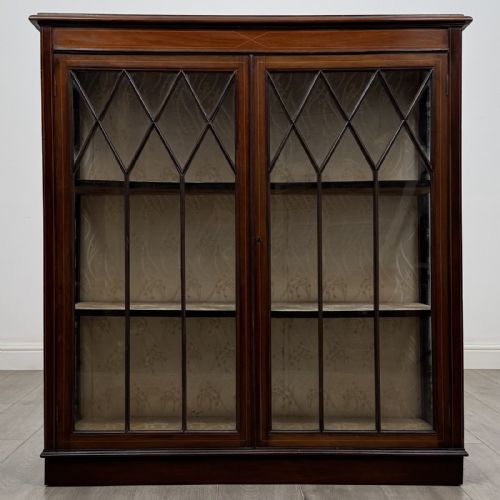
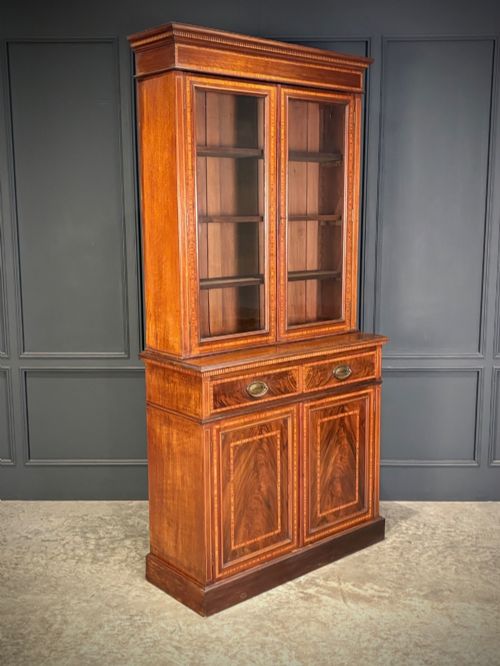
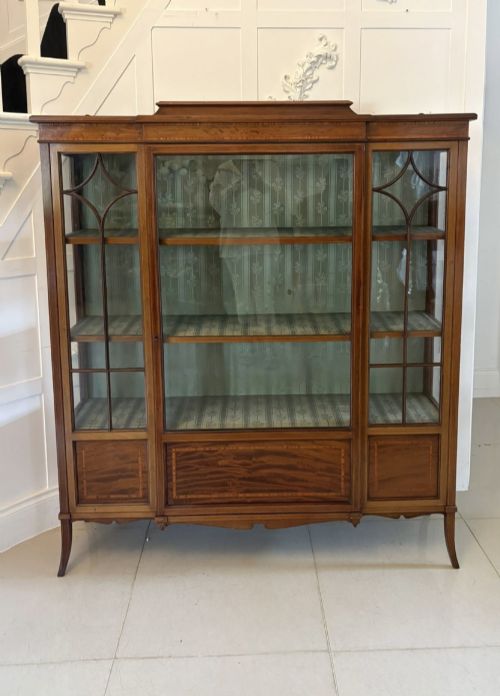
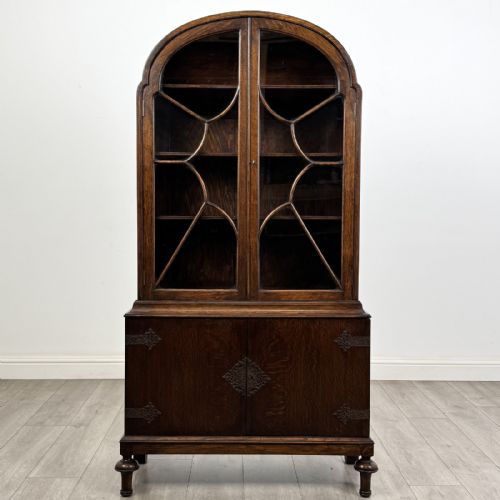
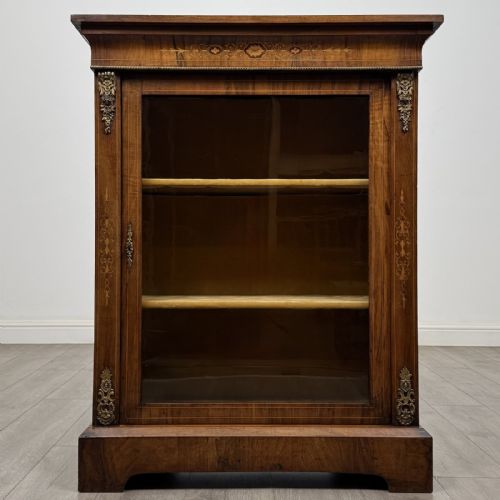
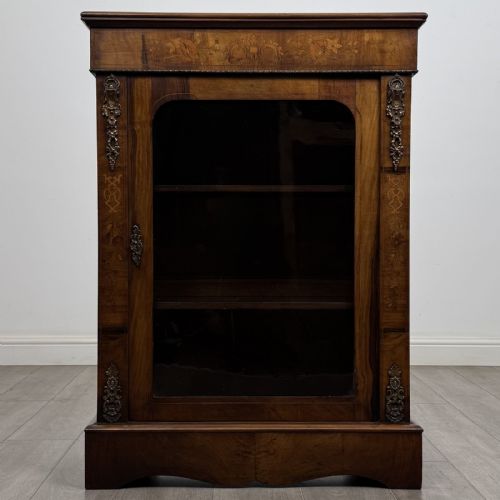
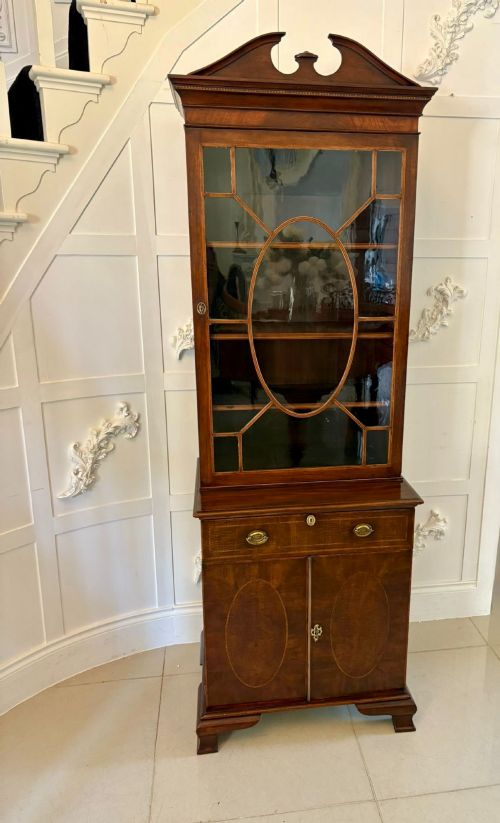
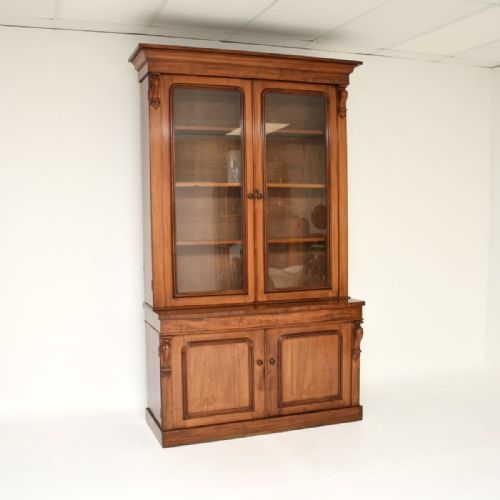
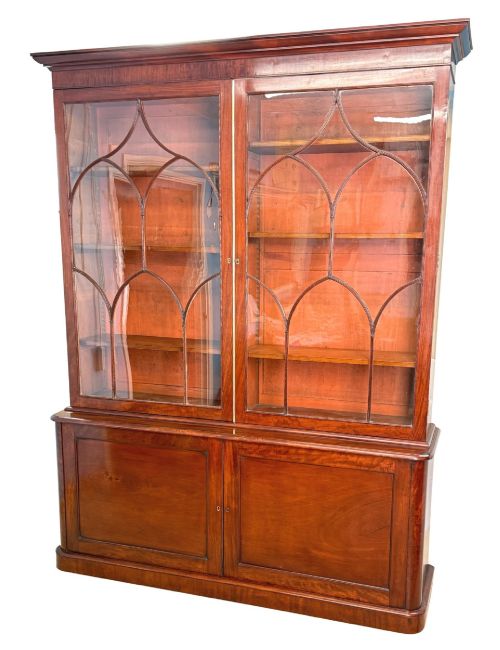
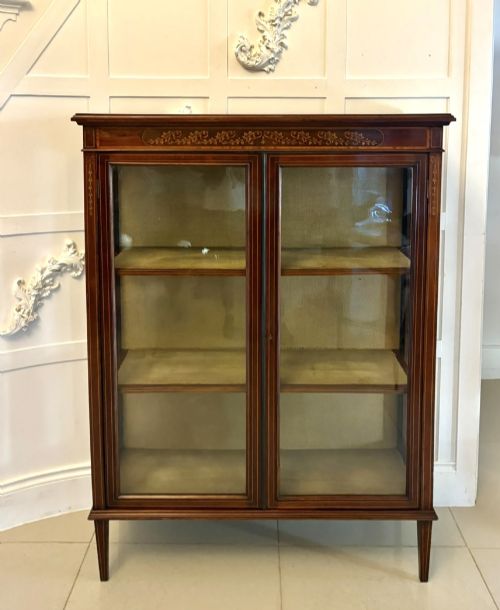
A china cabinet bookcase acts as a dual-purpose piece of furniture designed to exhibit prized ceramics behind glass doors while housing a library of volumes. When searching for a china cabinet bookcase, buyers encounter varied forms spanning multiple centuries, from substantial Victorian library pieces to lighter Edwardian glazed cupboards.
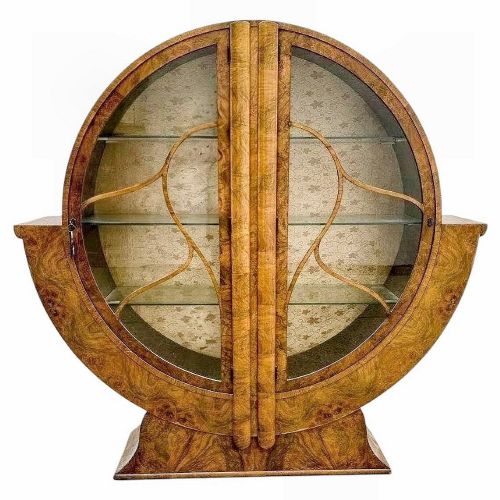
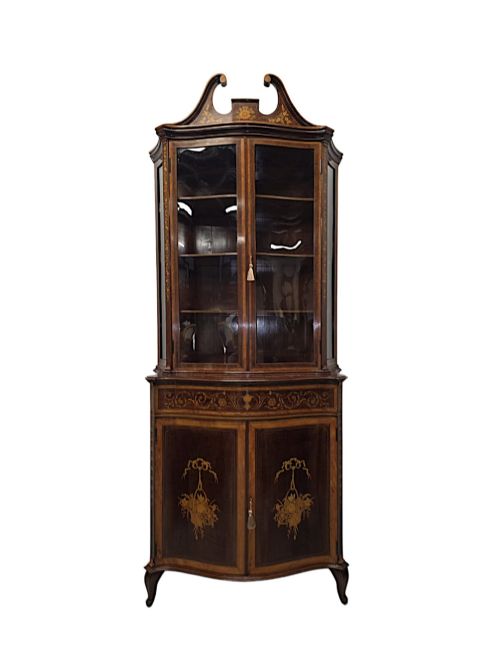
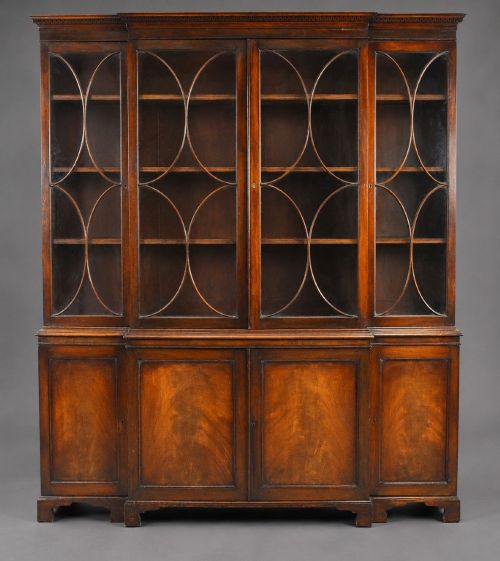
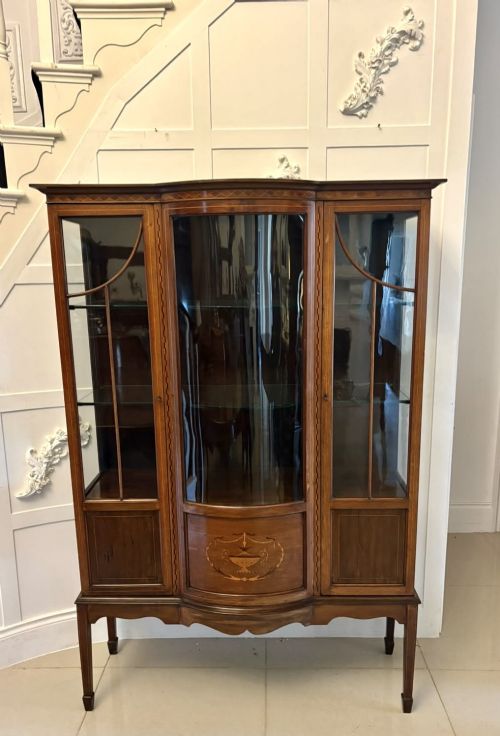
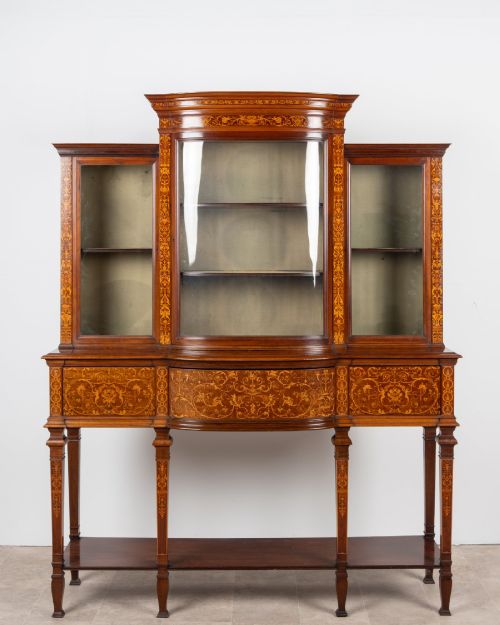
The pieces appearing on this page originate predominantly from the Victorian and Edwardian eras, alongside pieces from the 1920s and 1930s. Common structural formats include tall narrow cabinets, breakfront designs, and corner units fitted with glazed doors.
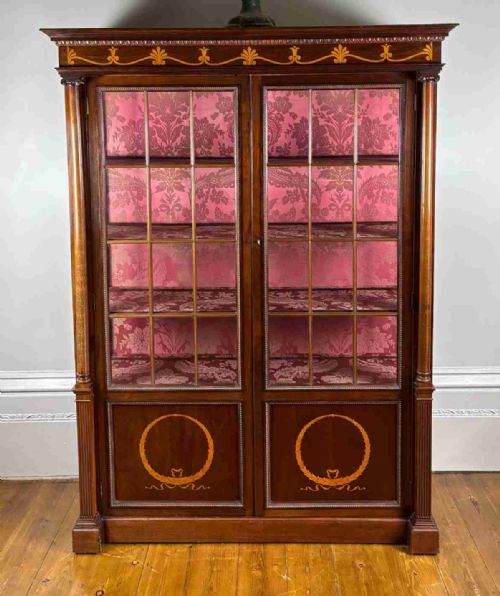
Makers frequently drew upon earlier historical aesthetics, resulting in numerous revivals of Georgian, Chippendale, and Sheraton styles. These hybrid pieces merge the enclosed shelving of a bookcase with the illuminated or visible framing typical of a china display unit.
Materials and construction methods
Cabinet makers utilised dense hardwoods like mahogany, oak, and walnut as the primary structural carcass, often enhancing surfaces with burr walnut or satinwood veneers. Inlaid stringing in contrasting timbers and delicate painted decorations frequently accent the principal faces of Edwardian and Georgian style examples.
Glazing techniques define the visual character of the doors, ranging from simple astral bars to intricate geometric leaded or wooden tracery. Brass hardware, including hinges, key escutcheons, and specialised locks such as those by Hobbs and Co, secures the timber framework and glass panels.
China Cabinet Bookcase Retail Price Guide 2026
Typical asking prices for china cabinet bookcase among the pieces listed under this phrase on Sellingantiques today, from the lower quarter to the upper quarter. They describe what is for sale here now, not the wider market.
Some Victorian cabinets boast specialised locks by Hobbs and Co, ensuring your cherished volumes remain secure from overly curious guests.
Markers of fine craftsmanship
Superior examples distinguish themselves through the selection of highly figured timber veneers, such as matched burr walnut or carefully arranged mahogany grain. The precision of the joinery, particularly in curved bowfront doors and intricate marquetry inlay, dictates the overall refinement of the piece.
Hardware execution and internal detailing also separate standard production from master craftsmanship. Original brass fittings, hand-carved ornamentation, and integrated shelving supports reflect the investment of time and skill during the initial period of manufacture.
Waring and Gillow·Maple and Co·Hobbs and Co
The China Cabinet Bookcase Glossary
- Breakfront
- A piece of furniture where the central section projects forward from the flanking outer sections. This architectural arrangement creates depth and visual rhythm across large bookcases and cabinets.
- Astral glazing
- Glass panes held within a network of wooden bars that divide the door into smaller geometric compartments. This method provides structural stability to large glazed openings.
- Marquetry
- Decorative veneer work formed by fitting together small pieces of tinted wood, ivory, or shell to create pictorial patterns. Artisans applied this technique extensively to walnut and satinwood surfaces.
- Bowfront
- A convex, curved front elevation that swells outward in a smooth arc. Makers utilised this shape to soften rigid room corners and add elegance to display cabinets.
China Cabinet Bookcase: Frequently Asked Questions
What is a china cabinet bookcase?
A china cabinet bookcase is a hybrid storage item that incorporates glass-fronted display areas for porcelain alongside enclosed or open shelving for books. It serves the dual function of a library bookcase and a vitrine.
These pieces allow collectors to exhibit decorative items safely while keeping reading material organised within the same unit.
How do I date a cabinet bookcase?
Dating relies on examining the timber species, construction methods, and prevailing stylistic revivals present in the design. Edwardian and Victorian pieces often display distinct inlay patterns and hardware typical of their decade.
Looking at secondary timbers inside drawers and the type of glass used in the doors also provides reliable chronological clues.
Where should I place this furniture?
These cabinets suit dining rooms, libraries, or spacious living areas where their height and glazed doors can catch natural light. Positioning them away from direct heat sources protects vulnerable wood veneers and antique glass.
Ensure the floor surface is level because tall wooden furniture requires stability to keep heavy glass doors hanging true.
How do I care for wooden cabinets?
Maintain the timber surfaces by dusting regularly with a soft, dry cloth and applying appropriate beeswax sparingly to nourish polished hardwood. Avoid chemical polishes that can degrade historical finishes over time.
Keep the interior humidity stable to prevent timber panels from warping and to protect antique veneer bindings from loosening.