



Chased Silver Desk
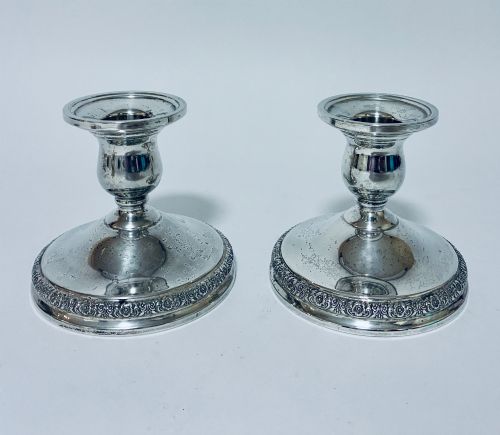
These chased silver desk antique pieces bring striking Victorian and Edwardian craftsmanship to any writing table.
Chased Silver Desk
When you search for a chased silver desk antique, you encounter a specialised selection of nineteenth and early twentieth-century desk accessories, timepieces, and personal items. The pieces recorded span from the Georgian era through the Victorian and Edwardian periods.
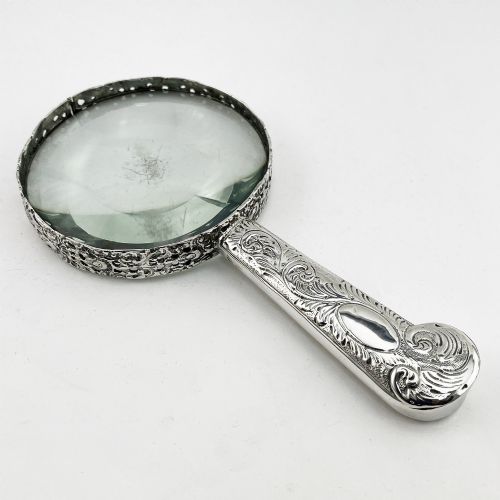
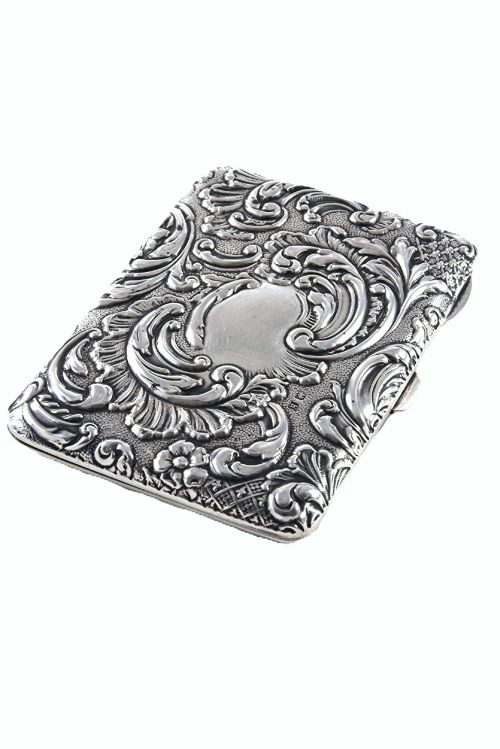
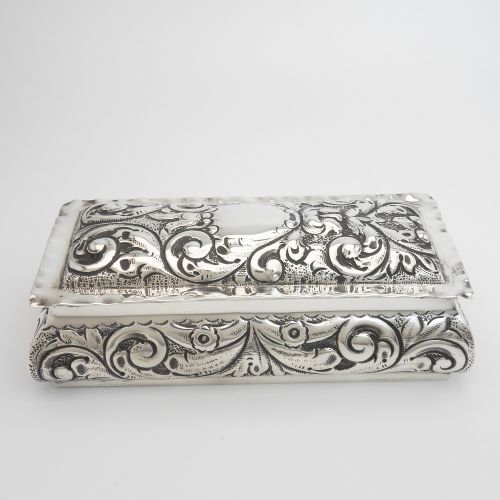
The most common forms you meet on this page include carriage clocks, aide memoires, trinket boxes, magnifying glasses, sealing wax holders, table lamps, card cases, snuff boxes, desk bells, and desk seals.
Origins represented in the inventory range from British workshops in Birmingham to French makers and Middle Eastern creators. Each object serves a distinct functional or decorative purpose within a traditional study or reception space.
How they were made
The items are constructed primarily from sterling silver, silver plate, and standard silver, frequently combined with glass, brass, gilt brass, and steel. Gilding provides rich interior linings and decorative surface highlights on boxes and snuff pieces.
Techniques rely on intricate metalwork and surface chasing to impart deep relief patterns and ornate floral or geometric designs. Individual components are assembled by hand using period metalworking methods appropriate to each specific object type.
Chased Silver Desk Retail Price Guide 2026
Typical asking prices for chased silver desk among the pieces listed under this phrase on Sellingantiques today, from the lower quarter to the upper quarter. They describe what is for sale here now, not the wider market.
A solitary desk bell waits on a reception counter, having summoned Victorian attendants before finding its quiet retirement here.
What varies in quality
Quality rests upon the depth, crispness, and precision of the chased surface decoration rather than simple surface shine. Sharply defined motifs demonstrate superior hand-tooling compared to softer, shallower relief work.
The integrity of secondary materials, such as glass inserts, gilt brass frames, and original gilt linings, elevates an object. Signed or attributed work from known makers carries distinct manufacturing distinction.
A & J Zimmerman Ltd·Edward Farrell
The Chased Silver Desk Glossary
- Chased
- Metalwork decorated by hammering or punching the front surface to create raised relief designs without removing material.
- Aide Memoire
- A small pocket notebook or memorandum tablet furnished with silver covers, often including a writing leaf or pencil.
- Gilt
- A thin layer of gold applied to the surface of silver or base metal to provide a rich golden appearance and prevent tarnish.
- Sealing Wax Holder
- A specialised desk implement designed to hold and melt wax for securing correspondence and documents.
Chased Silver Desk: Frequently Asked Questions
What is a chased silver desk antique?
It is a decorative or functional nineteenth or early twentieth-century desk accessory fashioned from silver with hand-chased surface ornamentation.
These items encompass practical study pieces such as seals, bells, and magnifying glasses, alongside decorative timepieces and small boxes.
How were these silver items used?
They served daily administrative and domestic functions in Victorian and Edwardian writing rooms, studies, and reception areas.
Owners utilised desk seals for sealing letters, bell pushes to summon staff, and aide memoires for recording daily notes and engagements.
How do I care for antique silver desk pieces?
Keep them away from direct heat sources and damp environments to protect delicate mechanisms, glass components, and gilt interiors.
Clean the metal surfaces sparingly with a soft cloth designed for silver to preserve the crispness of the chased relief work.
How can I tell Victorian pieces apart from Edwardian ones?
Victorian items often display heavier, highly ornate historic revival styles with deep relief work and substantial proportions.
Edwardian examples frequently exhibit lighter construction and refined detailing influenced by turn-of-the-century design preferences.