


Ceramic Painting Art
Ceramic painting art unites fired clay and applied pigment across centuries of global craftsmanship, offering collectors intimate miniature canvases and sculptural colour.
Ceramic Painting Art
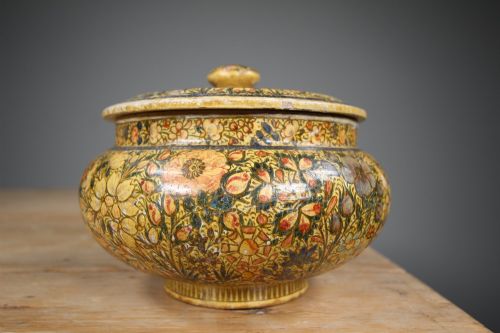
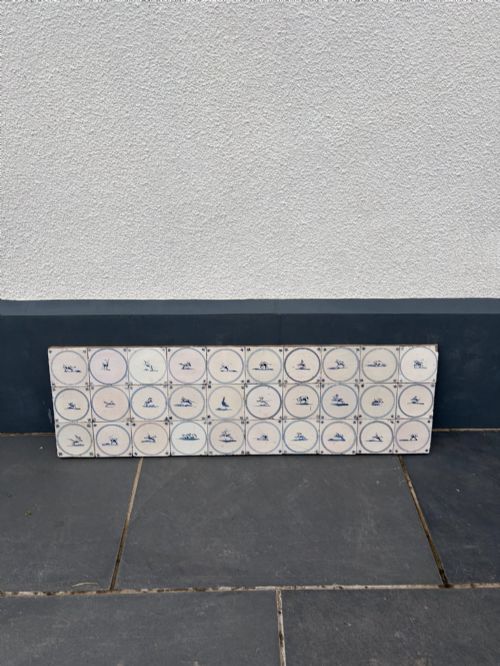
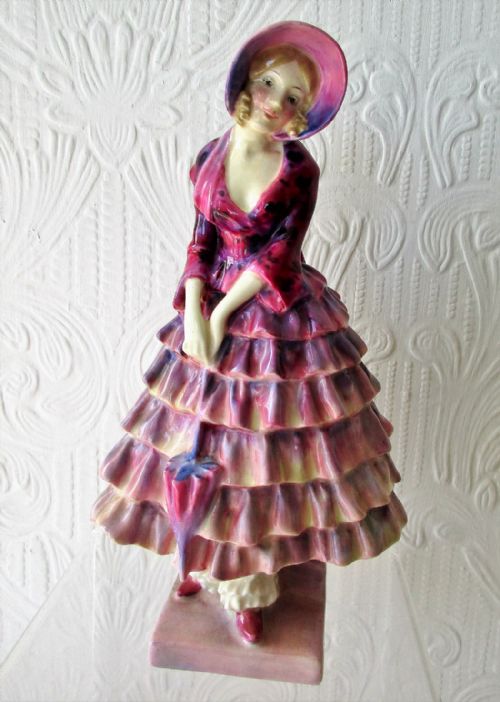
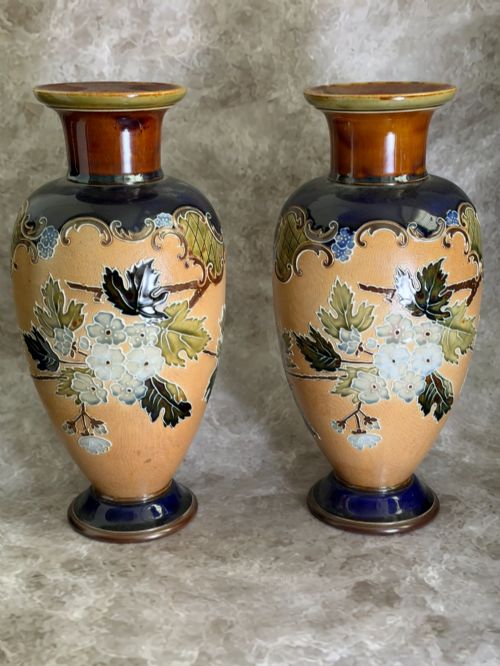
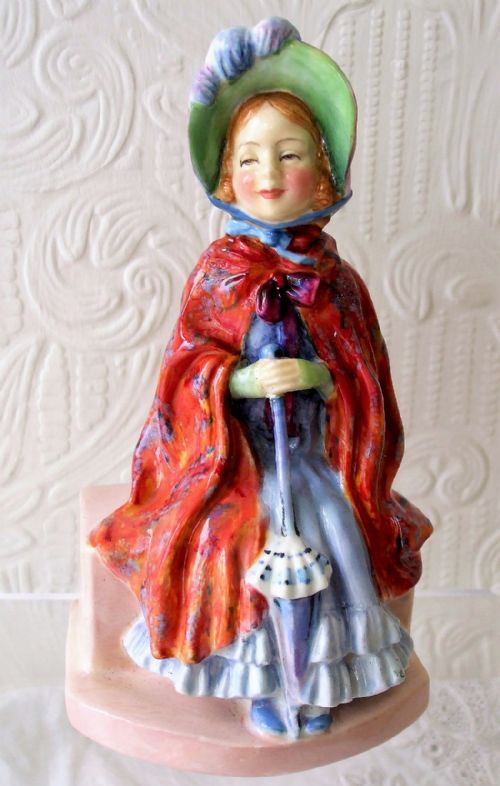
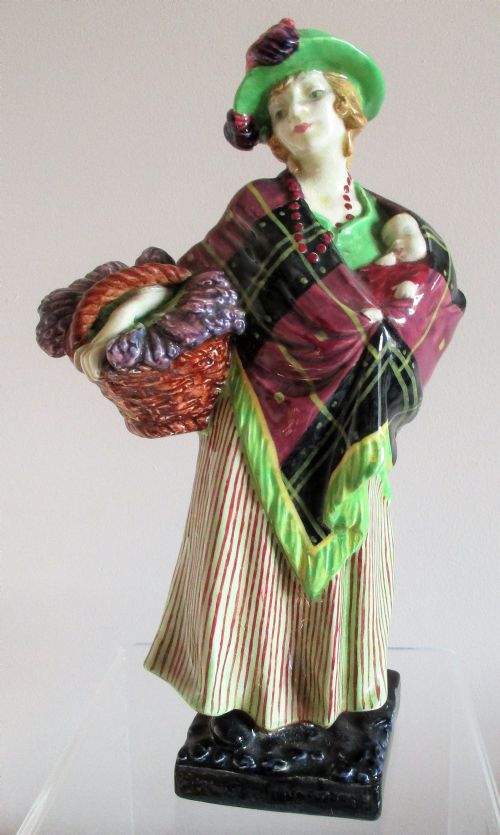
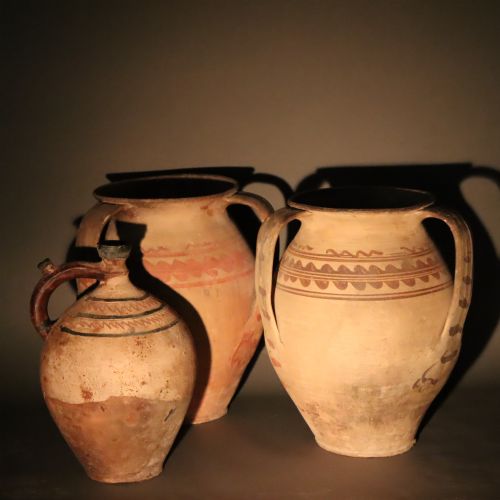
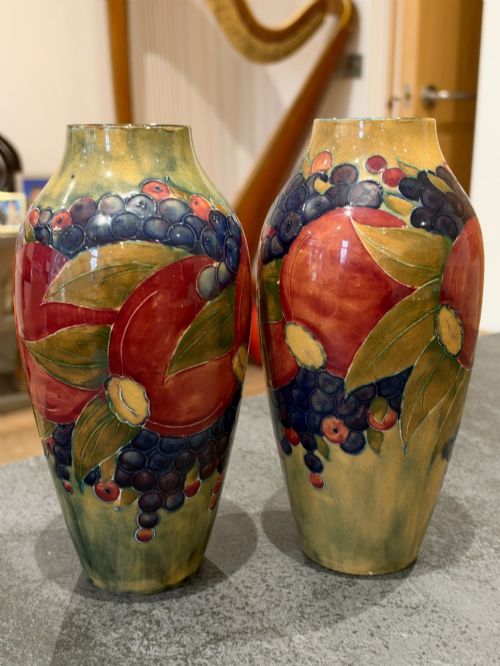
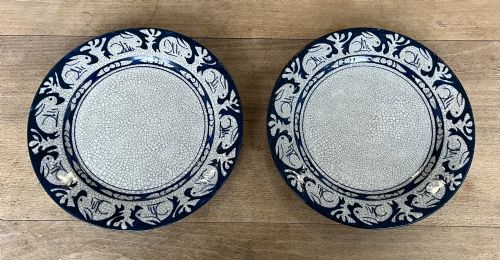
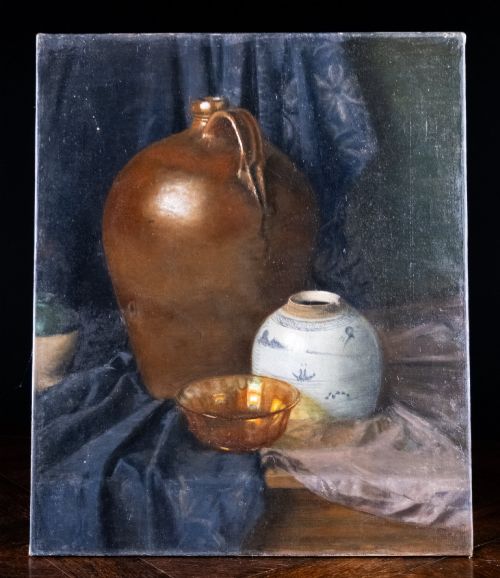
Ceramic painting art encompasses hand-painted porcelain plaques, decorated earthenware vessels, and glazed pottery figures from the nineteenth and twentieth centuries. These pieces bridge fine art and decorative objects, ranging from English landscape scenes to Japanese Imari plates.
Vases, wall plaques, and figurines dominate the selection, often carrying detailed brushwork executed directly onto the fired body or glaze. Buyers frequently encounter nineteenth-century European porcelain plaques alongside early twentieth-century studio pottery and earthenware bowls.
Origins span English potteries, French porcelain houses, Japanese kilns, and Dutch ceramic workshops. Each piece reflects the dominant aesthetic of its period, shifting from Victorian realism to Art Nouveau curves and Art Deco geometry.
Materials and technique
Makers utilised porcelain, earthenware, and terracotta as the physical base for their compositions, applying mineral pigments and coloured glaze before a high-temperature kiln firing. Techniques such as pate-sur-pate built up layers of liquid clayslip to create low-relief cameos beneath the glaze.
Enamels and gold leaf frequently supplemented the palette, adding metallic lustre and vibrant hues to plates, chargers, and vases. Artists painted fine details by hand, requiring steady control to prevent the pigments from running during the final glaze firing.
Ceramic Painting Art Retail Price Guide 2026
Typical asking prices for ceramic painting art among the pieces listed under this phrase on Sellingantiques today, from the lower quarter to the upper quarter. They describe what is for sale here now, not the wider market.
Listings feature periods spanning the nineteenth and twentieth centuries, using materials such as enamel, porcelain, earthenware, and gold leaf.
Evaluating quality
Artistic execution dictates the distinction between standard production wares and master-painted works, visible in the precision of brushstrokes and the depth of the composition. Portraiture and landscape plaques demand advanced draughtsmanship, whereas repeating floral patterns rely on steady decorative output.
The sophistication of the ceramic body and glaze chemistry also separates grades, as seen in translucent porcelain versus porous earthenware. Firing success, minimal surface distortion, and the harmonious integration of gilding elevate the status of a piece.
Royal Copenhagen·Gebrüder Heubach·Moorcroft·Royal Doulton·Royal Worcester·Goldscheider·Doulton Lambeth·Charles Vyse·Quimper·Copeland
The Ceramic Painting Art Glossary
- Pate-sur-pate
- A ceramic decoration technique involving the successive application of liquid white clay slip onto a darker ground to build up a translucent cameo relief. This French term translates to paste on paste.
- Faience
- Tin-glazed earthenware produced across Europe, particularly in France and England, known for colourful hand-painted designs applied over an opaque white enamel glaze.
- Imari
- A style of Japanese export porcelain characterised by a distinctive palette of underglaze blue, iron red, and gilt highlights.
- Lustre
- A type of ceramic glaze containing metallic elements that produce an iridescent, shimmering sheen upon reduction firing.
- Okimono
- A Japanese decorative freestanding figurine or carving intended for display on a household shelf or tokonoma alcove.
Ceramic Painting Art: Frequently Asked Questions
What is ceramic painting art?
Ceramic painting art describes the application of fine art painting techniques onto fired clay surfaces, including porcelain, earthenware, and terracotta. It includes wall plaques, decorative plates, and painted figurines.
These objects combine the chemistries of pottery and pigment, allowing artists to create permanent compositions that resist fading over centuries.
How were painted ceramic plaques displayed?
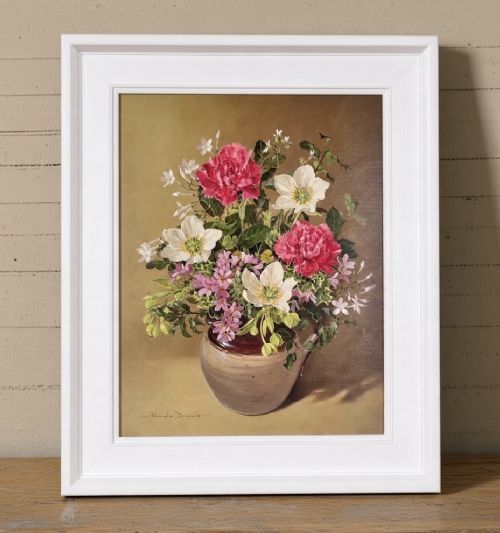
Many nineteenth-century porcelain and pottery plaques were framed like traditional oil paintings to hang directly on interior walls. Others served as decorative inserts for specialised furniture or architectural panels.
Framing protected the delicate edges of the ceramic body while positioning the artwork at eye level for close inspection.
How do I care for painted ceramics?
Painted ceramics require gentle dusting with a soft, dry cloth to prevent abrasion to the surface glaze and any delicate gold leaf accents. Direct sunlight should be avoided to protect organic pigment colours from fading.
Wall plaques need secure hanging hardware, and vessels ought to be kept away from areas prone to accidental knocks or temperature swings.
How do I identify the period of a piece?
Period identification relies on examining maker marks, impressed factory stamps, and the stylistic cues of the painted decoration. Victorian pieces often favour romantic or naturalistic detail, whereas later twentieth-century items adopt simplified forms.
The weight of the ceramic body and the composition of the glaze also offer clues to the manufacturing decade.