
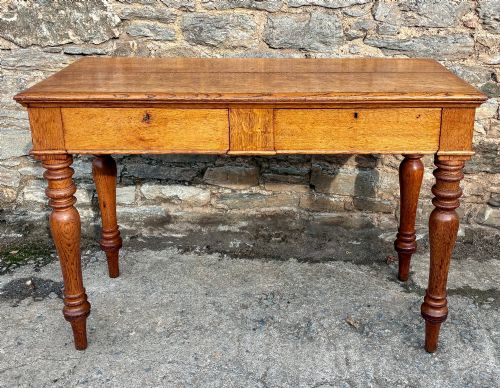
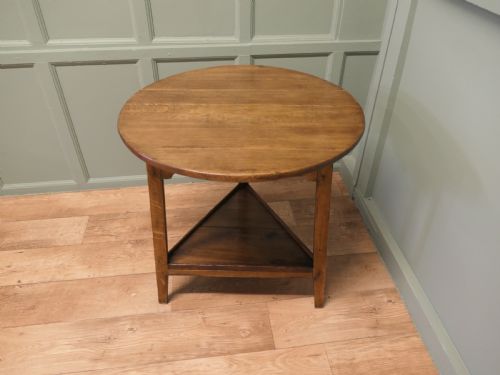
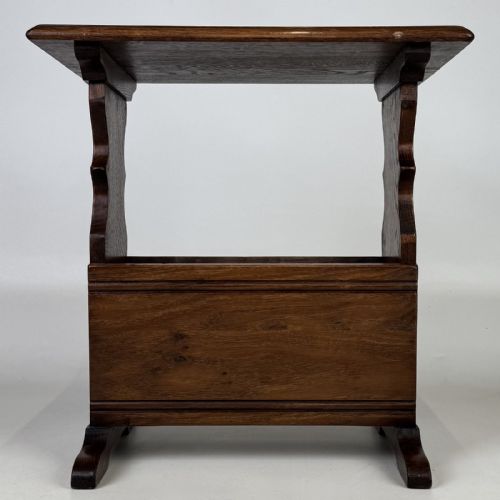
Century Oak Table
A century oak table brings solid timber and centuries of domestic use into a room.
Century Oak Table
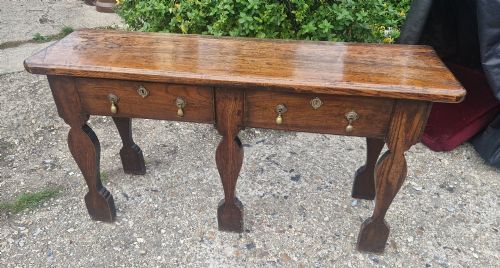
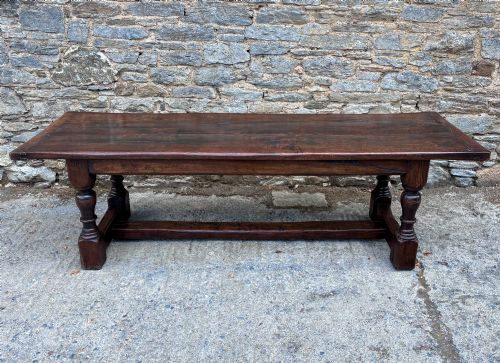
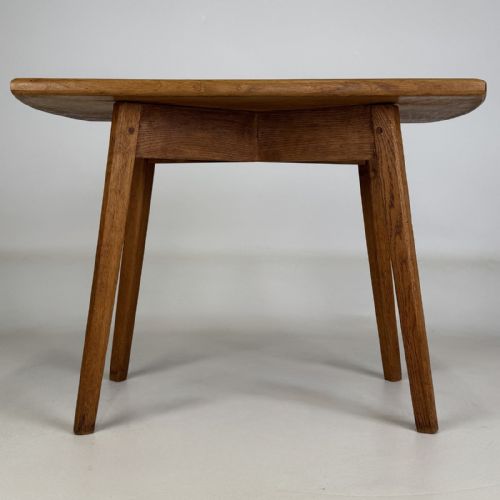
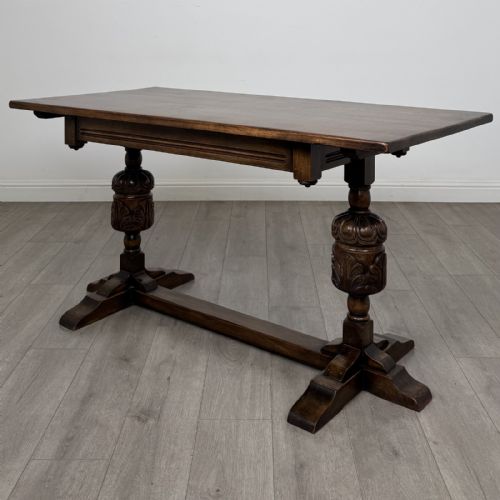
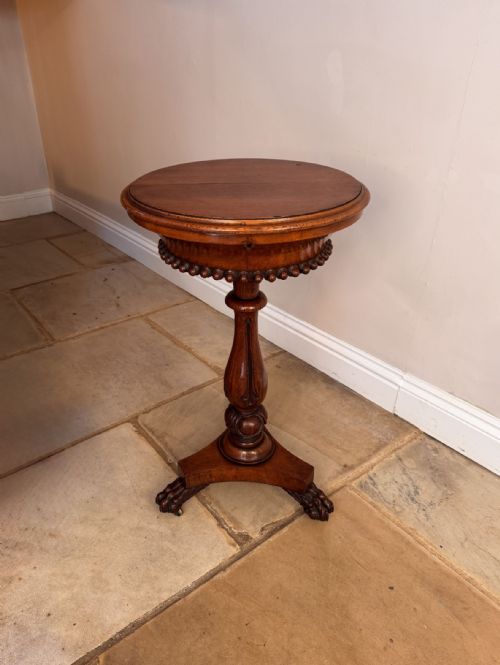
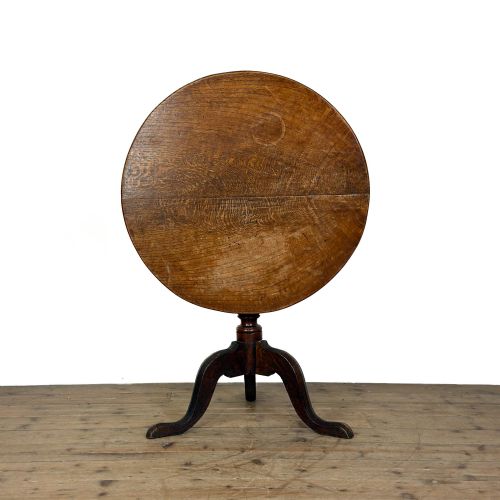
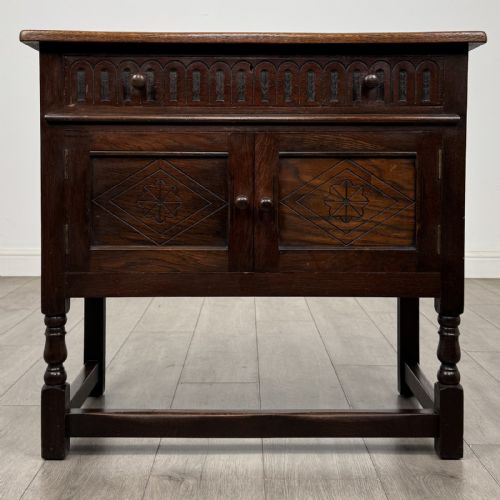
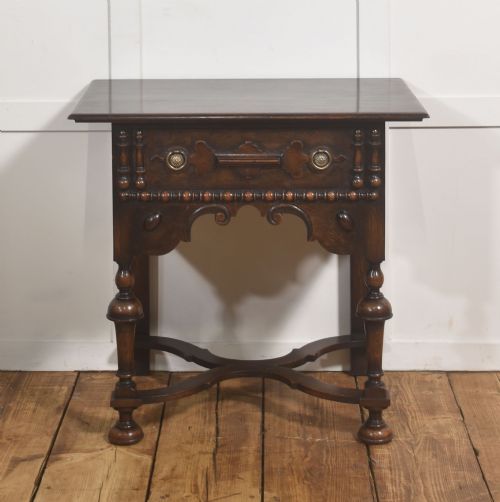
A century oak table covers heavy timber dining furniture, tilt-top occasional tables, and lowboys spanning several historic eras. When searching for a century oak table, buyers encounter formats ranging from seventeenth-century joint constructions to nineteenth-century extending dining models.
The material remains consistently robust across all examples, utilising durable hardwoods shaped into side tables, gateleg tables, and refectory designs. Georgian and Victorian iterations dominate the selection, bringing practical surfaces and distinct regional characteristics to daily domestic spaces.
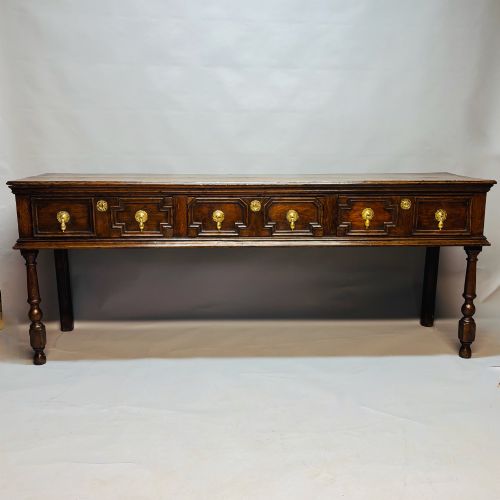
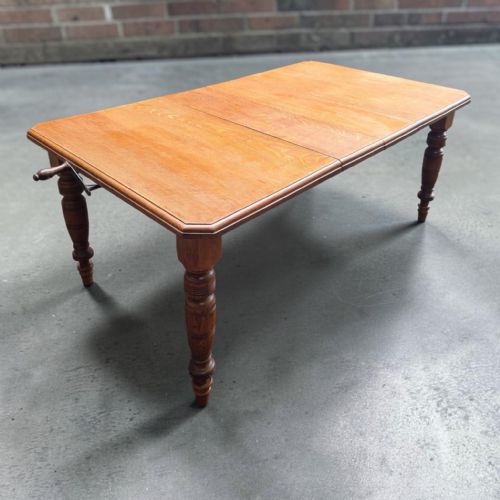
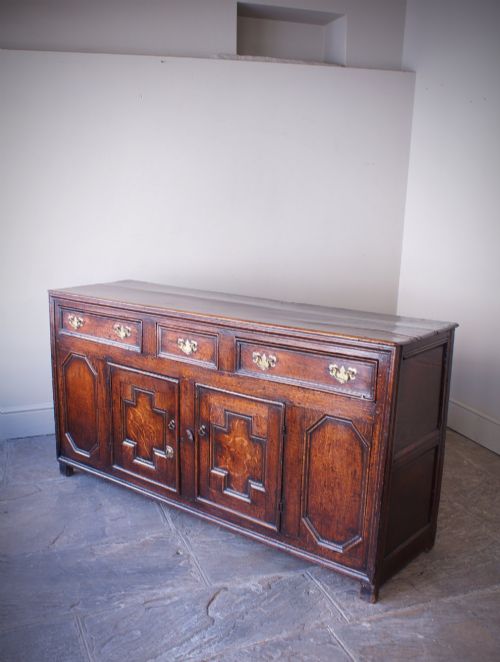
Early periods provide joined side tables and dresser bases with deep patination, whilst later centuries yield functional extending dining tables fitted with winding mechanisms. Each piece reflects the utilitarian needs of its original household, adapted over generations for modern use.
Assessing Quality and Character
Superior examples exhibit crisp carving, original timber surfaces, and unaltered structural joinery that maintain stability over centuries of use. The depth of the natural patina and the integrity of the secondary woods indicate the standard of craftsmanship.
Proportion and utility define the higher tiers of the range, where functional elements like drawers and drop leaves operate smoothly without modern intervention. Pieces retaining their original hardware and unblemished top boards command greater appreciation.
The listings span from the seventeenth century through the Edwardian era, featuring oak alongside brass, iron, felt, and boxwood inlay.
Finnigans
The Century Oak Table Glossary
- Lowboy
- A small oak or walnut table with one or more drawers, originating in the late seventeenth century and typically used as a dressing table or side table.
- Gateleg table
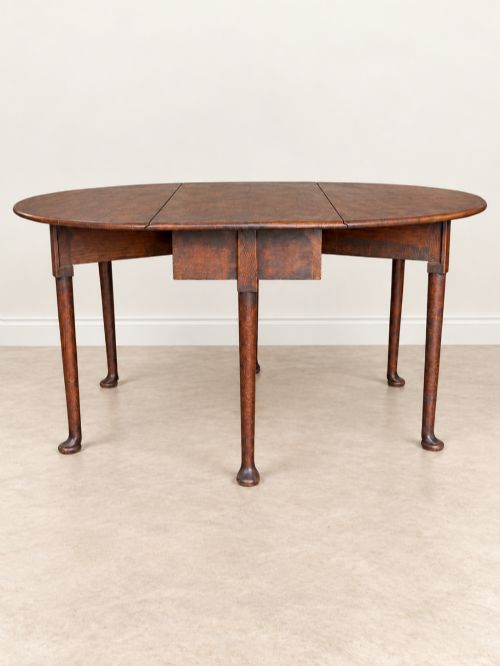
- A drop-leaf table featuring hinged legs that swing out to support the extended leaves on both sides.
- Joint stool
- A sturdy wooden stool constructed with mortise and tenon joints, common in the seventeenth century before lighter seating became prevalent.
- Tilt top table
- A round or oval occasional table with a hinged top that pivots vertically to save space when not in use.
Century Oak Table: Frequently Asked Questions
How do I care for an antique oak table?
Maintain the wood by applying natural beeswax occasionally and avoiding placement near direct heat sources or strong sunlight.
Clean surfaces with a dry or barely damp cloth to preserve the historic finish without stripping the underlying patina.
Can I use an antique oak table daily?
These robust hardwood tables were built for generations of heavy domestic use and easily withstand modern dining.
Use coasters and protective mats to prevent moisture rings on the historic timber surface during everyday meals.
How do I identify the period of my table?
Examine the construction methods, leg turns, and hardware types, comparing them against documented stylistic eras like Jacobean or Georgian.
Tool marks, timber species such as elm or oak, and the style of drawer dovetailing offer clear clues to the date of manufacture.
What is a gateleg table used for?
A gateleg table provides an adaptable surface that folds down compactly against a wall when extra floor space is needed.
Expanding the hinged leaves creates a generous dining or serving area supported by pivoting wooden legs.