

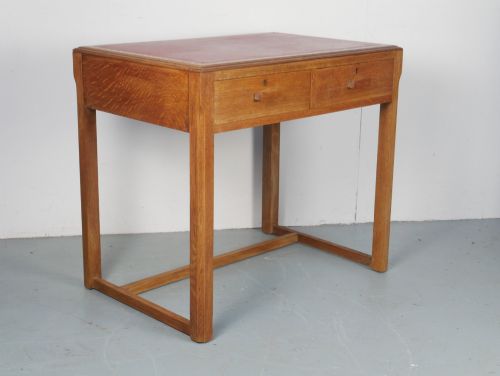
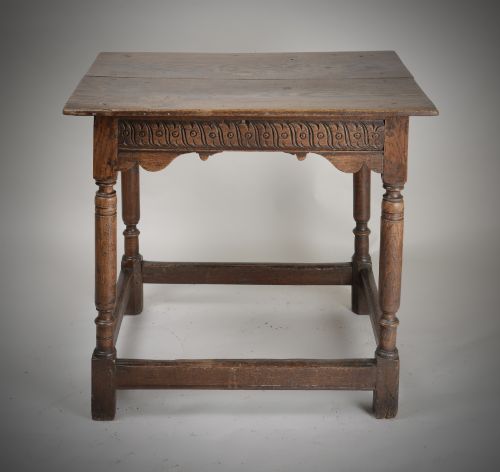
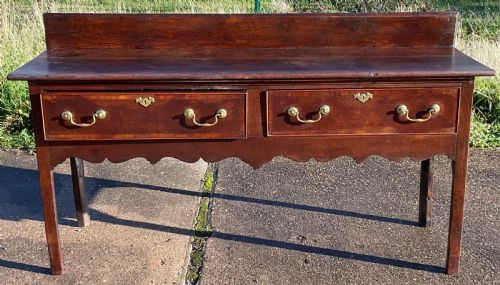
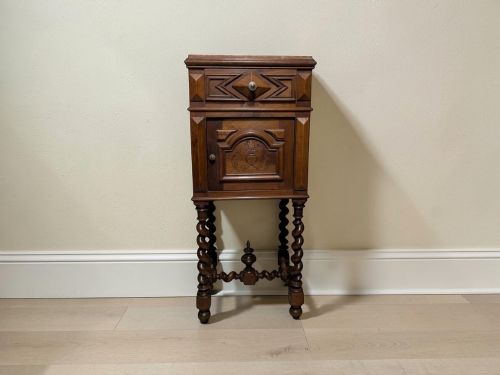
Century Oak Side Table
A century oak side table brings the honest weight of utilitarian timber into a room, serving as a functional surface with centuries of domestic history behind it.
Century Oak Side Table
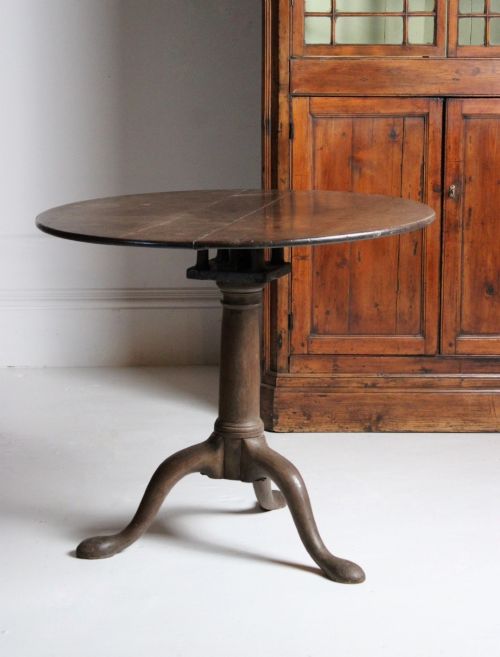
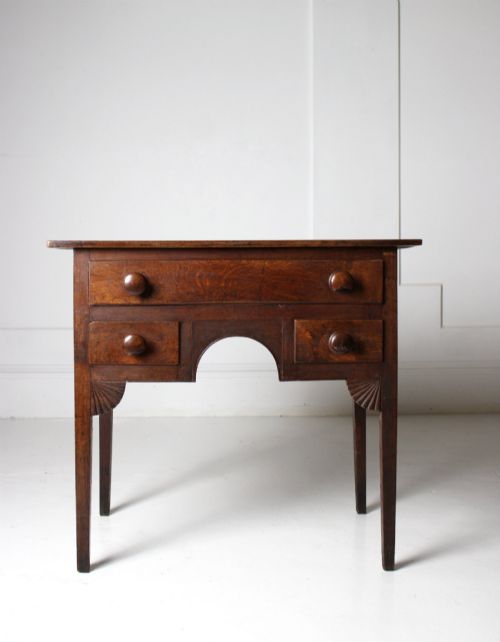
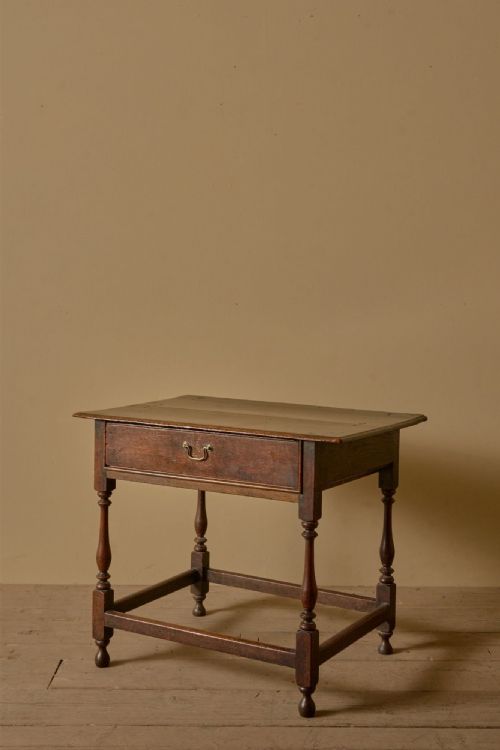
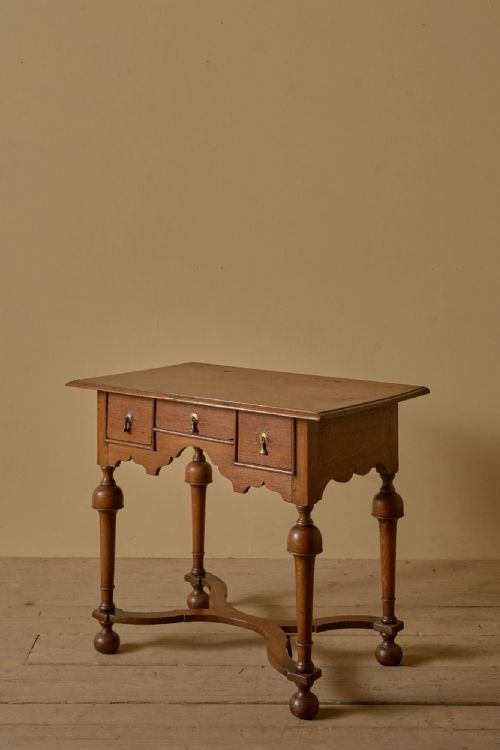
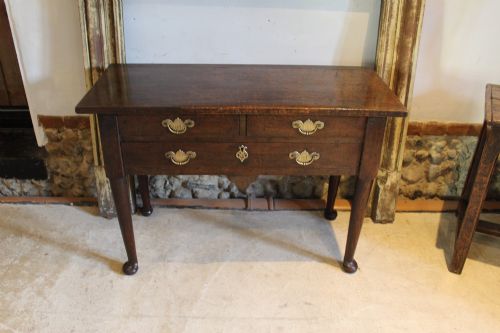
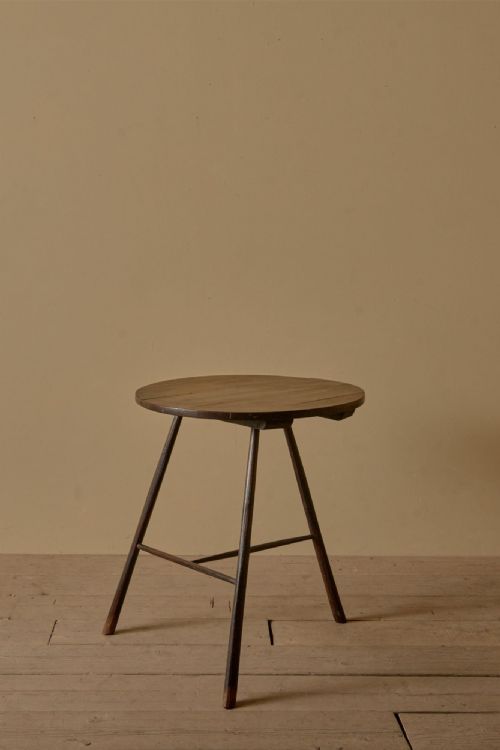
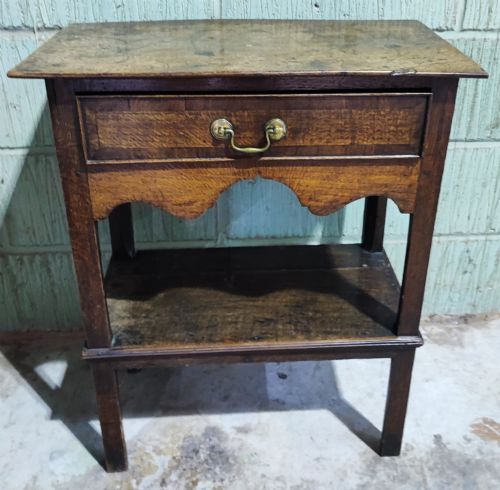
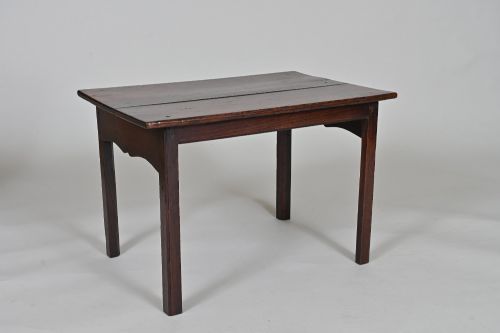
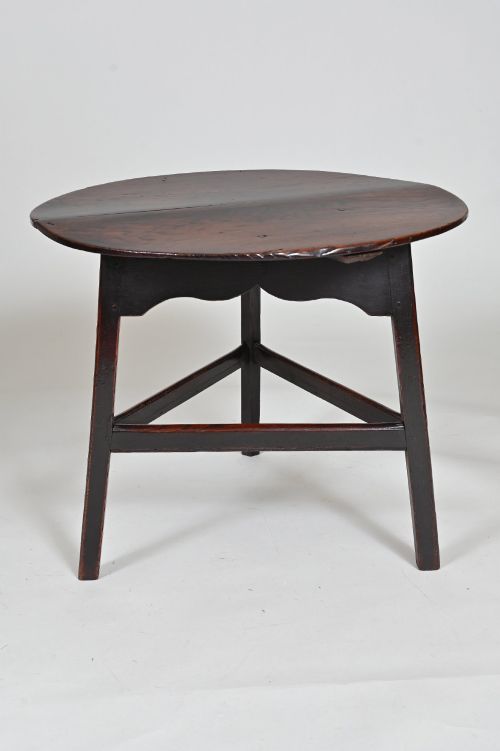
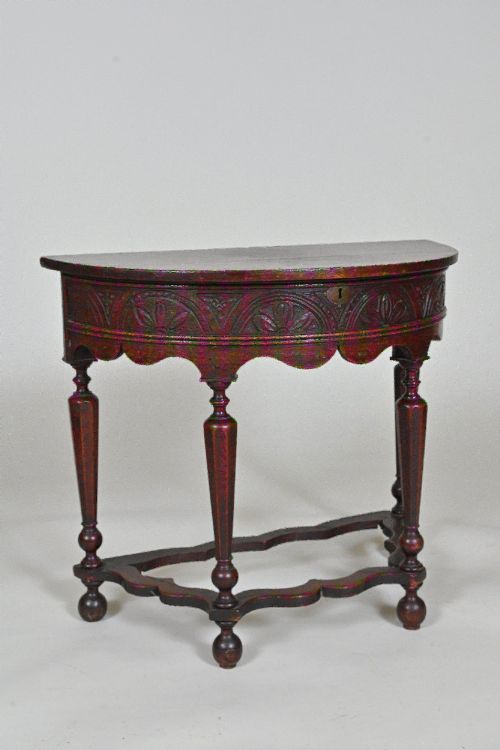
A century oak side table encompasses a diverse lineage of utility furniture, stretching from seventeenth-century lowboys and joint stools to eighteenth-century examples and later revivals. Buyers seeking this phrase encounter lowboys with single or multiple drawers, tripod cricket tables, and console forms designed for specific domestic tasks.
The material focus remains firmly on English and European timber, occasionally combined with secondary woods such as elm or pine. Form follows function closely, resulting in pieces that range from austere seventeenth-century framing to elegant Georgian proportions and Edwardian interpretations.
Pieces span multiple eras, including seventeenth, eighteenth, nineteenth, and early twentieth-century revivals. Regional variations appear alongside formal urban styles, reflecting the diverse workshops that produced them.
What varies in quality
The calibre of a century oak side table rests in the integrity of its timber selection and the retention of its original surface patination. Superior examples display uncompromised structural proportion, crisp hand-carving, and hardware that belongs to the period of manufacture rather than later replacements.
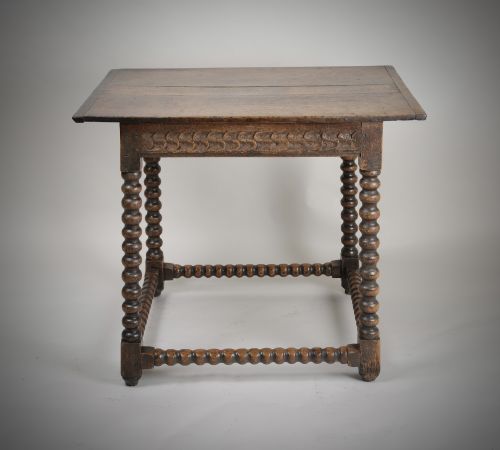
Subtleties in joinery and the harmonious ageing of the oak distinguish utilitarian workshop output from master cabinet work. Balance in the leg turnings and the depth of colour achieved through centuries of use dictate the standing of an individual piece.
Century Oak Side Table Retail Price Guide 2026
Typical asking prices for century oak side table among the pieces listed under this phrase on Sellingantiques today, from the lower quarter to the upper quarter. They describe what is for sale here now, not the wider market.
The selection spans from seventeenth-century joint stools to twentieth-century Jacobean revival styles.
Finnigans
The Century Oak Side Table Glossary
- Lowboy
- A small oak table fitted with one or more drawers, originating in the late seventeenth century and commonly used as a dressing or writing surface.
- Cricket table
- A small, lightweight three-legged table with a round top, traditionally designed for uneven farmhouse floors.
- Joint stool
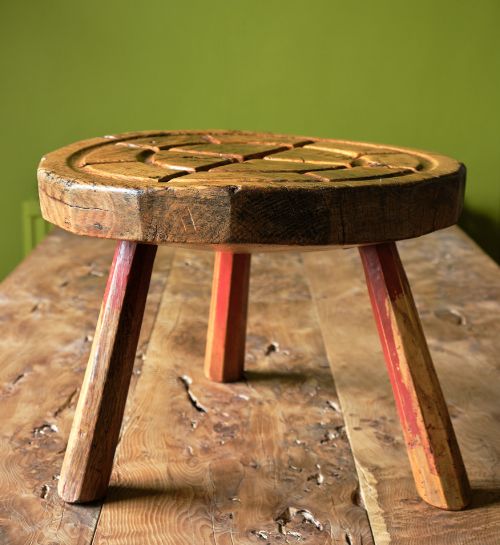
- A sturdy wooden stool constructed with pegged mortise and tenon joints, frequently utilised as an occasional table.
- Gateleg table
- A table featuring hinged leaves supported by swing legs that pull out like a gate to bear the weight.
- Medullary rays
- Natural ribbon-like flecks in oak timber that become visible when the log is quarter-sawn, prized by cabinet makers.
Century Oak Side Table: Frequently Asked Questions
What is a lowboy?
A lowboy is a small oak table featuring one or more drawers beneath the surface. They emerged in the seventeenth and eighteenth centuries for practical household tasks.
Over time, their proportions made them adaptable for use as side tables or occasional surfaces in modern interiors.
How do I style an oak side table?
These tables integrate easily into living spaces due to their neutral wood tones and sturdy frames. Pair them with contemporary seating to create contrast or place them in hallways as functional drop zones.
Allow the natural grain and dry surface finish to remain the focal point without overcrowding the top.
How do I date an antique oak table?
Dating relies on observing construction methods, such as hand-cut dovetails, pegged joints, and tool marks left by the maker. Hardware types and timber selection also provide clear chronological indicators.
Styles evolved from austere seventeenth-century framing to refined Georgian lines and later Edwardian revivals.
Were these tables used in kitchens?
Many early oak tables served functional roles in domestic service, food preparation, and tavern environments. Their durable timber construction withstood heavy daily use.
Over the centuries, these utilitarian objects transitioned from working spaces into principal rooms as decorative antiques.