

Century Oak Chest
A century oak chest offers robust storage built from solid timber across periods from the seventeenth century to the twentieth.
Century Oak Chest
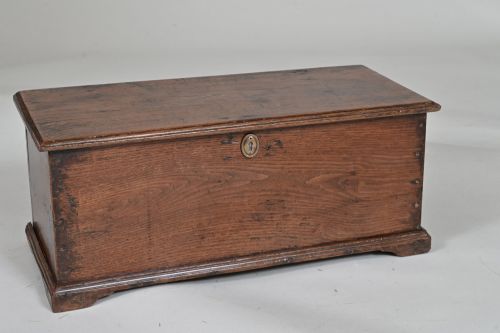
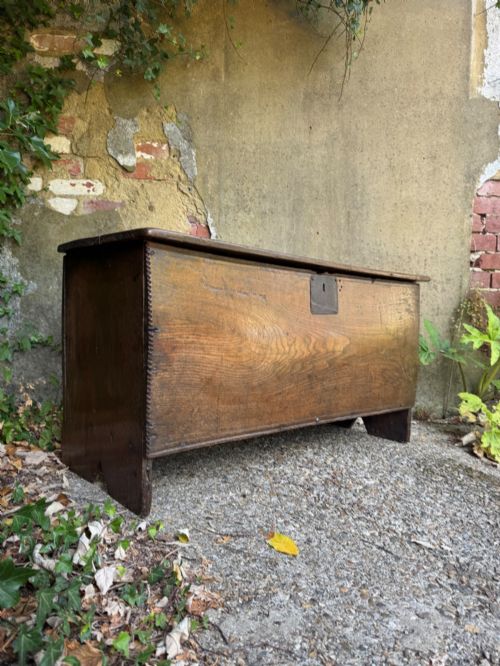
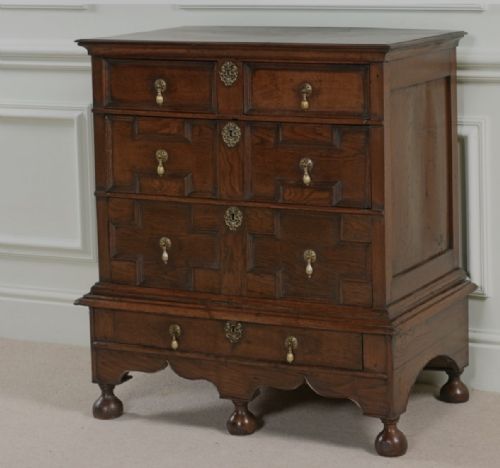
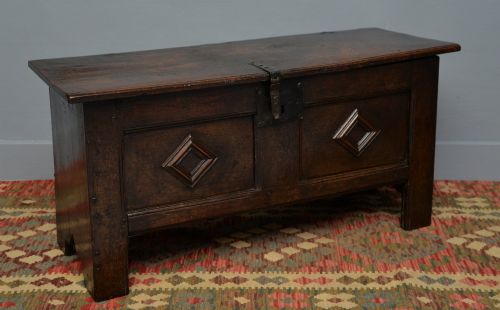
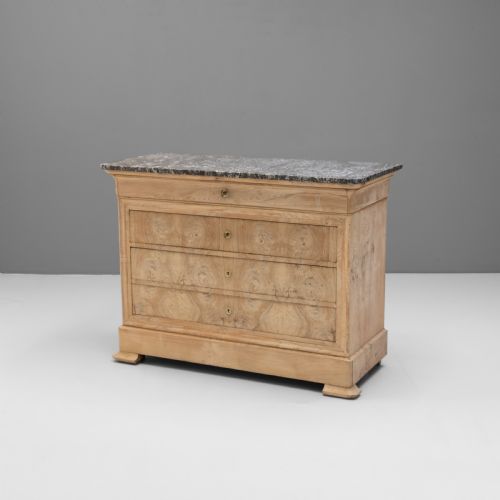
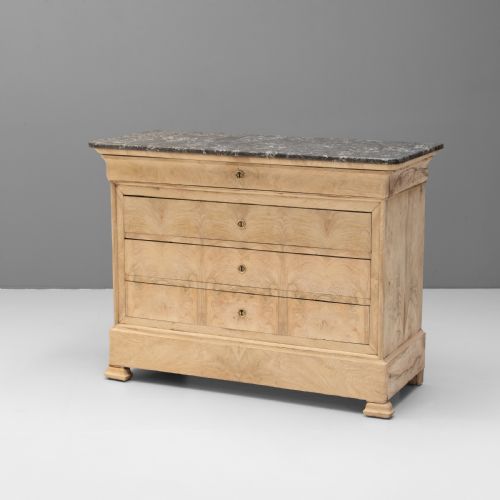
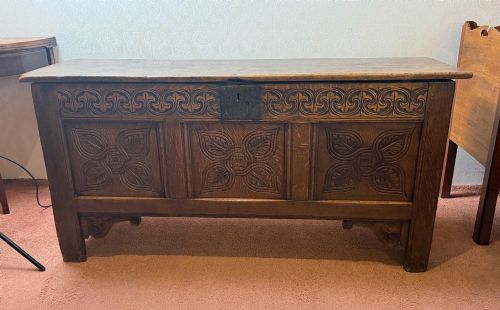
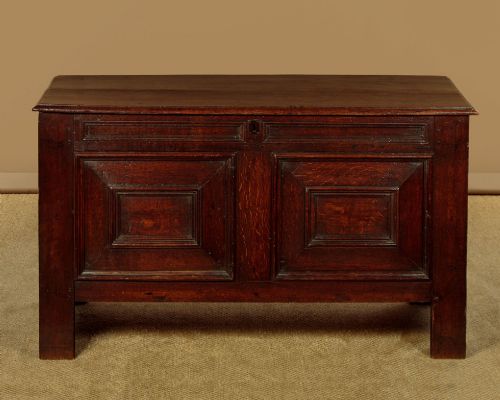
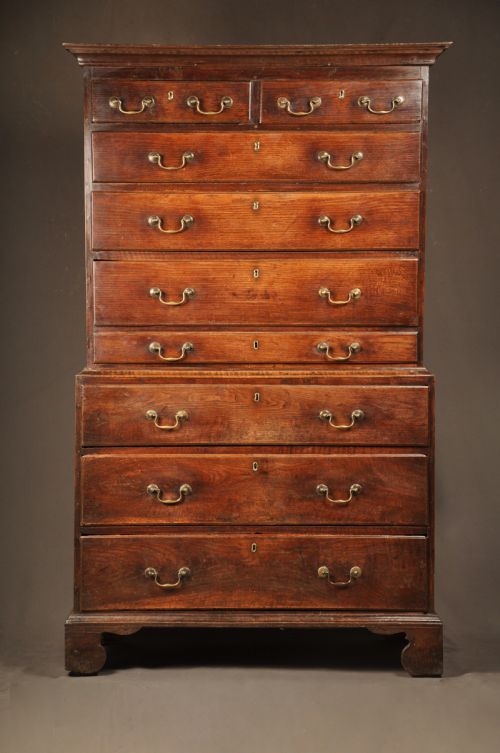
A century oak chest spans practical storage forms ranging from simple boarded boxes and panelled coffers to multi-drawer chests, mule chests with lower drawers, and spice cupboards. These pieces appear in periods including the seventeenth century, Georgian eras, and Victorian decades, reflecting centuries of domestic utility.
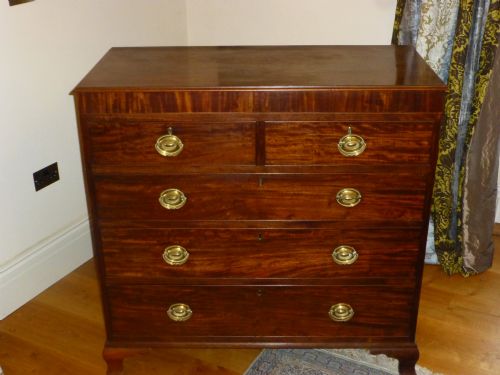
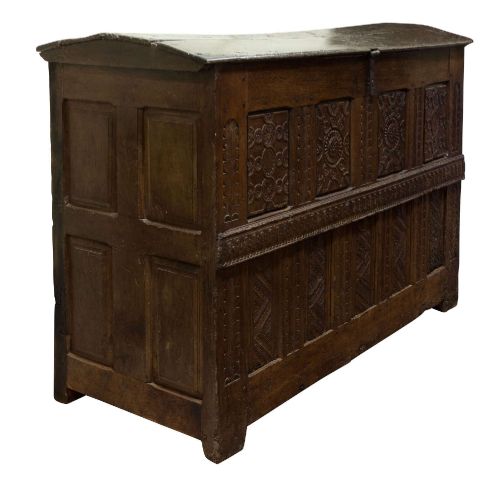
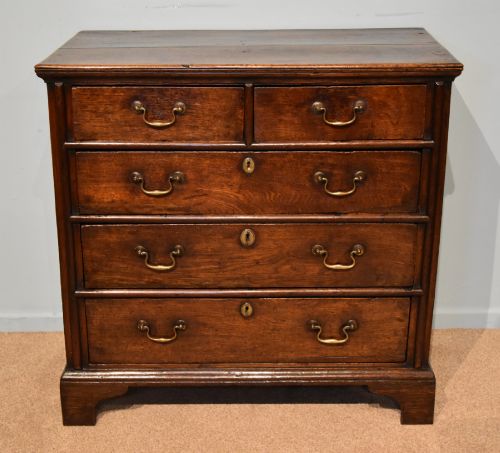
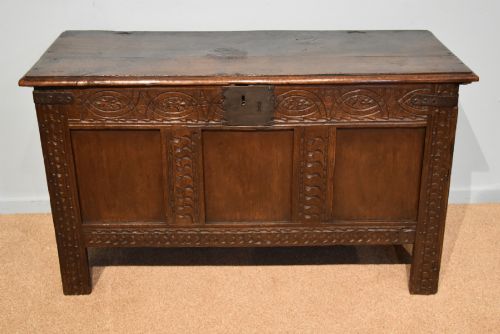
The versions most commonly met on this page are Georgian and seventeenth-century chests of drawers and coffers, often constructed with panelled fronts or applied geometric mouldings. Alongside these traditional forms, buyers encounter smaller items such as table top drawers, Bible boxes, and jewellery boxes.
Makers and craftsmen utilised native oak supplemented by walnut, ash, and elm, sometimes incorporating secondary timbers like sycamore and ebony for contrast. These storage items served various household needs, from linen and security storage to specialised containers for spices, books, and bottles.
Materials and construction
Carpenters built these pieces primarily from solid oak, relying on frame-and-panel construction for coffers and chests to accommodate the natural expansion and contraction of timber. Joinery often involved pegged mortise and tenon joints, whilst drawers utilised hand-cut dovetails.
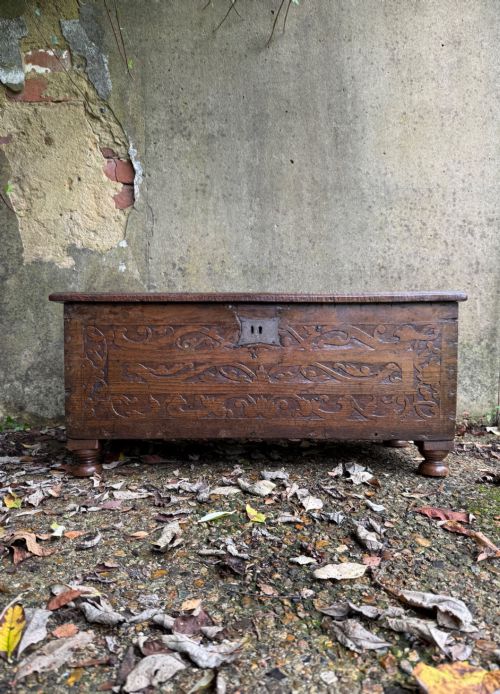
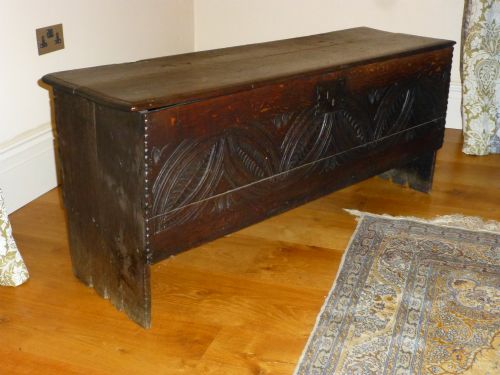
Decoration and hardware relied heavily on brass handles and escutcheons, iron hinges, and occasional carved motifs such as geometric patterns or Gothic Revival details. Secondary woods like walnut, ash, and ebony appear in specific regional or decorative contexts, adding textural contrast to primary oak surfaces.
Century Oak Chest Retail Price Guide 2026
Typical asking prices for century oak chest among the pieces listed under this phrase on Sellingantiques today, from the lower quarter to the upper quarter. They describe what is for sale here now, not the wider market.
Listings feature items spanning the sixteenth to the twentieth centuries, utilising oak, walnut, ash, and elm alongside brass, iron, and glass.
Quality and proportion
Quality in a century oak chest rests on the integrity of the timber, the crispness of any hand carving, and the retention of original brass hardware and surface patination. Pieces exhibiting refined proportions, such as small-scale coffers or miniature chests, command greater interest than plain utility items.
The preservation of original interiors, including fitted compartments in spice cupboards and bureaus, elevates a piece significantly. Construction details like untouched panel backing and minimal timber replacement separate superior examples from heavily restored furniture.
The Century Oak Chest Glossary
- Coffer
- A large wooden chest used historically for storage, typically featuring a hinged lid and panelled construction. They often stood at the foot of beds or in halls for blankets and valuables.
- Mule chest
- A traditional storage chest featuring one or more drawers built into the base beneath the main compartment. This form bridges the evolution between the simple coffer and the modern chest of drawers.
- Bible box
- A small desk box designed originally to hold family scriptures and writing materials, often fitted with a sloping lid. These portable pieces frequently rested on tables for household administration.
- Geometric moulding
- Applied decorative woodwork popular during the seventeenth century, creating raised patterns on drawer fronts and panels. Carpenters used this technique to add depth and architectural interest to plain surfaces.
- Spice cupboard
- A small wall-hung or table-top cabinet containing multiple internal drawers for valuable culinary seasonings and medicinal ingredients. They typically feature panelled doors and secure locks.
Century Oak Chest: Frequently Asked Questions
What is the difference between a coffer and a chest?
A coffer generally refers to a boarded or panelled box with a hinged lid used for general storage, whereas a chest often incorporates drawers or more complex internal arrangements.
In older terminology, terms like coffer and chest were sometimes used interchangeably by makers and owners before drawer configurations became standard domestic furniture.
How do I date an early oak chest?
Dating relies on examining construction methods, such as hand-split boards, pegged joints, and the style of any applied mouldings or carved decoration. Regional traditions and tool marks left by carpenters provide further chronological clues.
Hardware types like iron strap hinges or brass drop handles also help narrow the manufacturing period when they remain original to the piece.
Where were these chests placed in a home?
Historical oak chests served multipurpose roles in halls, bedchambers, and public rooms for storing textiles, documents, and valuables. Smaller boxes and spice cupboards rested on tables or hung on walls for easy daily access.
Today, buyers place them in living rooms as coffee tables, hallways for shoe storage, or bedrooms for linen.
Are replacement parts common on antique oak furniture?
Replacements on century-old furniture often include feet, hinges, brass handles, and occasionally bottom boards due to centuries of wear and damp floors. Minor repairs are standard for pieces that have functioned in homes for generations.
The presence of original timber and untouched surface patination remains the primary indicator of an uncompromised piece.