



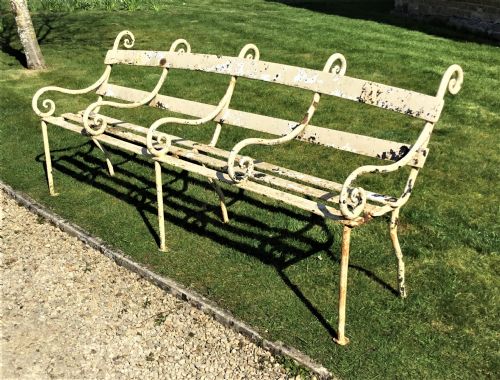


Cast Metal Park Bench
A cast metal park bench brings heavy-ribbed ironwork and timber laths directly into a garden, offering a sturdy outdoor seat built to weather the seasons.
Cast Metal Park Bench
A cast metal park bench combines structural metal ends with timber laths, creating a durable seat designed for lawns and terraces. These outdoor pieces emerge from the nineteenth and early twentieth centuries, spanning Victorian, decorative, and interwar styles.
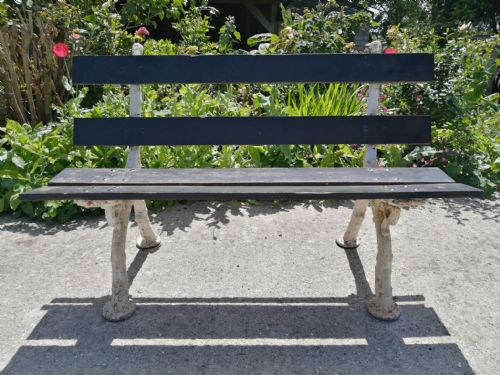
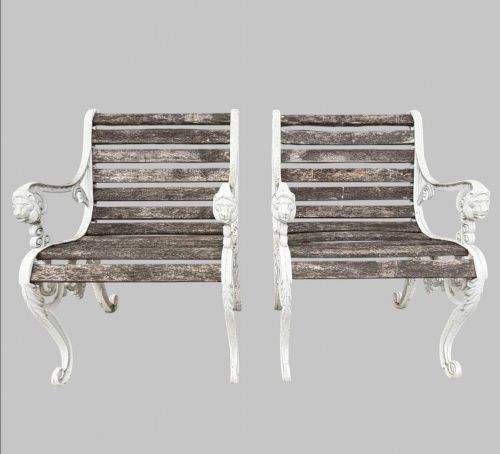
The version most commonly met on this page is the Victorian cast iron and timber garden bench, often featuring pierced foliage or faux bois framing. Examples range from compact two-seater garden armchairs to longer four-seater seats, frequently paired with matching ends.
Makers and designers of the period, such as Coalbrookdale, influenced the landscape with naturalistic branch patterns and lion mask motifs. Whether finished in fresh paint or weathered down to bare metal, each cast metal park bench balances industrial heft with organic ornament.
Construction and materials
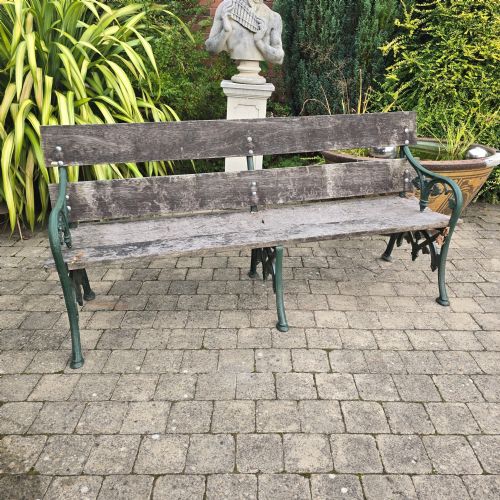
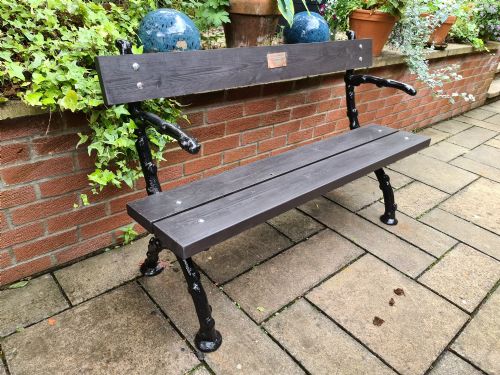
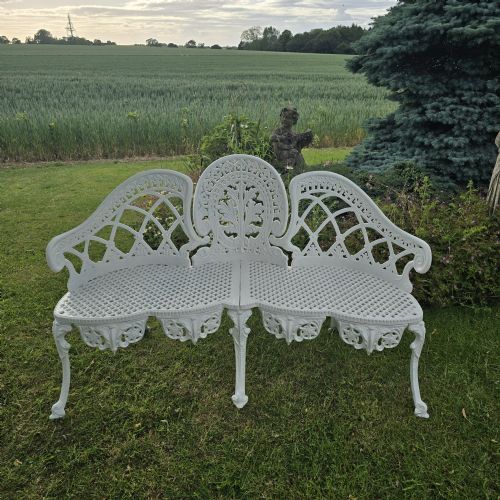
Foundries poured molten iron into sand moulds to create intricate ends, backs, and supports featuring fern fronds, branch motifs, or strapwork. This heavy metal framework was then bolted together with timber laths or wooden seats designed to withstand outdoor exposure.
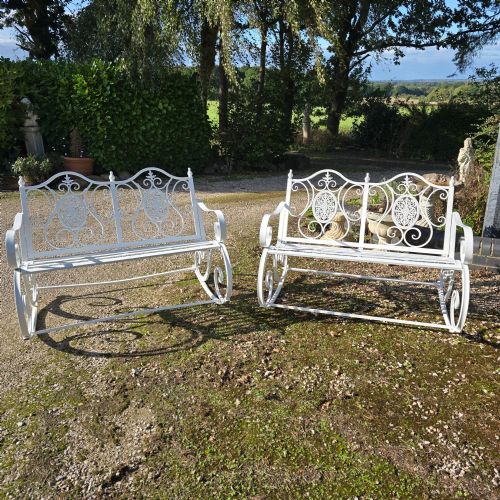
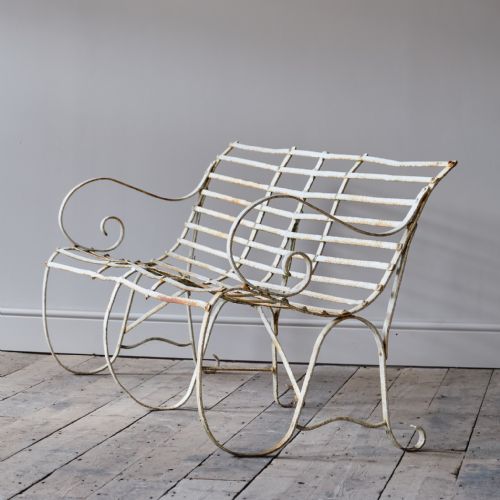
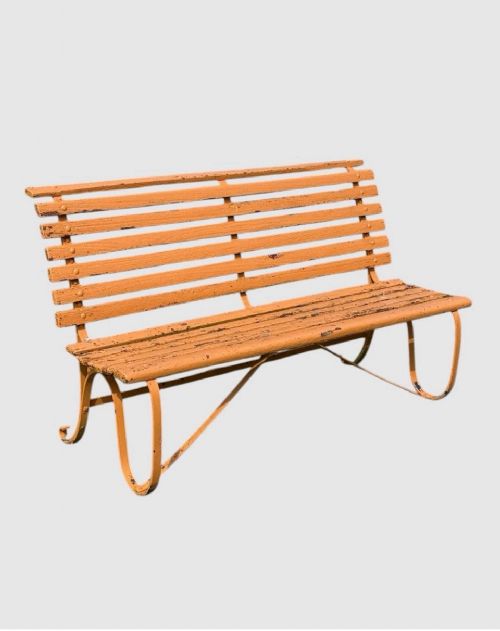
Wrought iron strap work provided an alternative linear construction, hand-formed into geometric or scrolling patterns for lighter garden seats. Protective layers of paint were applied to shield the ironwork from rust, a maintenance cycle repeated across generations.
Cast Metal Park Bench Retail Price Guide 2026
Typical asking prices for cast metal park bench among the pieces listed under this phrase on Sellingantiques today, from the lower quarter to the upper quarter. They describe what is for sale here now, not the wider market.
Listings feature materials including cast iron, wrought iron, timber, paint, and cast aluminium across the nineteenth and early twentieth centuries.
Judging quality and character
Depth and crispness of the casting separate standard foundry work from high-relief Coalbrookdale designs, where veined leaves and bark textures appear remarkably sharp. Superior casting shows clean separation in pierced panels without excessive surface pitting or distortion.
Proportion and seating capacity dictate the architectural presence of a piece, from intimate armchairs to substantial four-seater benches. The integrity of the original metal frame paired with sympathetic timber replacement determines how well the bench holds its historic character.
Coalbrookdale
The Cast Metal Park Bench Glossary
- Coalbrookdale
- A prominent ironworks foundry known for intricate decorative garden seating in nineteenth-century Britain. Their pattern books heavily influenced nineteenth and early twentieth century outdoor furniture design.
- Faux bois
- Imitation wood grain rendered in cast iron or concrete to mimic natural branches and bark. This technique was popular in Victorian garden furniture to blend industrial materials with woodland aesthetics.
- Strap work
- Flat bands of wrought iron or metal riveted and bent into geometric or scrolling patterns. It provides a lighter structural alternative to solid cast iron ends.
- Timber laths
- Long strips of wood bolted horizontally across the metal framework to form the seat and backrest. These slats are routinely replaced during refurbishment while retaining the original iron ends.
Cast Metal Park Bench: Frequently Asked Questions
What periods do these benches come from?
The listings span the nineteenth and early twentieth centuries, capturing Victorian production alongside interwar examples from around nineteen thirty.
Victorian pieces often display heavier decorative casting, while later twentieth-century iterations lean towards simpler lines and refurbishment.
How were these benches used originally?
They were positioned along public pathways, private lawns, and estate terraces to provide durable outdoor seating. The combination of heavy iron frames and wooden laths allowed them to remain outdoors year-round.
Pairs of matching armchairs or benches were often placed to create formal seating arrangements in gardens.
How do I live with a cast iron bench?
A cast metal park bench requires an open outdoor spot where its weight and weather-resistance can be fully appreciated. Regular maintenance involves checking the painted surface to protect the metal from rust.
Over time, the timber laths may need treating or replacing while keeping the historic iron ends intact.
How do I spot a Coalbrookdale design?
Coalbrookdale designs typically feature distinctive naturalistic motifs such as faux bois branches, ferns, or lion masks cast with high relief. These pieces reflect the elaborate pattern books produced by the famous ironworks.
Earlier nineteenth-century examples show particular crispness in the casting details compared to later revival pieces.