



Cast Metal Garden Bench
A cast metal garden bench brings enduring weight and architectural form to an outdoor space, built to anchor lawns and terraces through every season.
Cast Metal Garden Bench
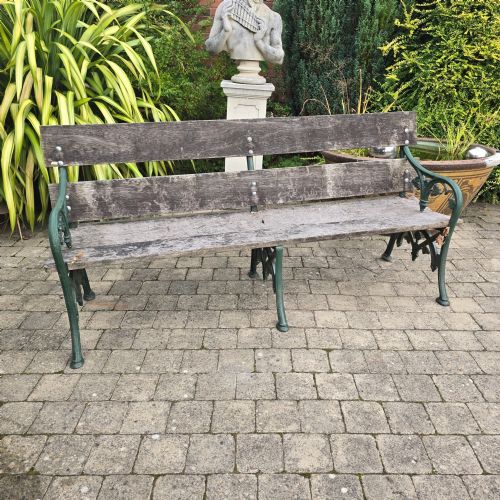
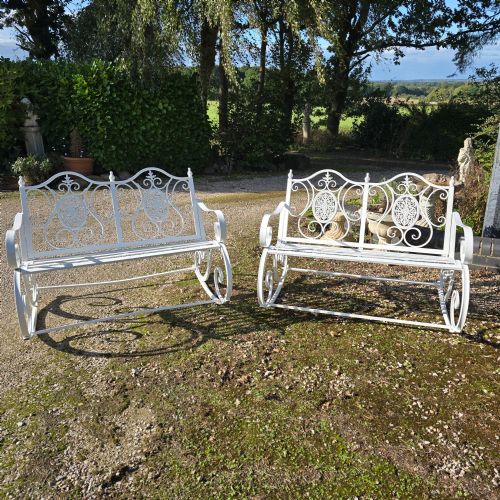
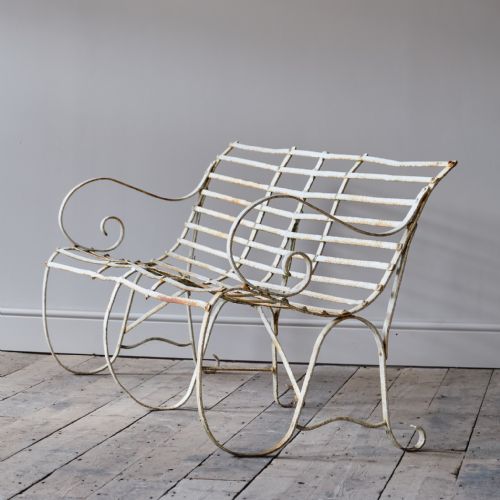
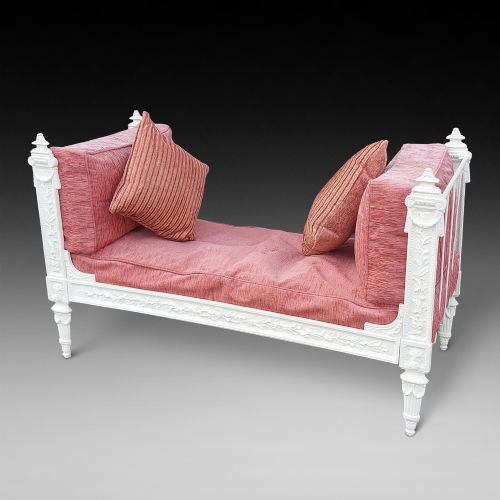
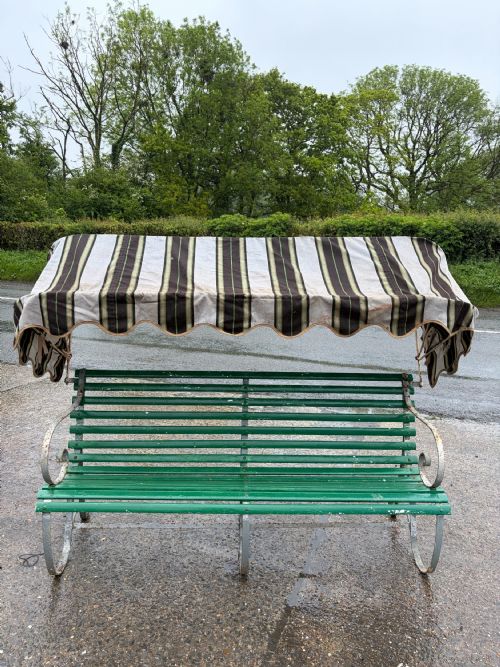
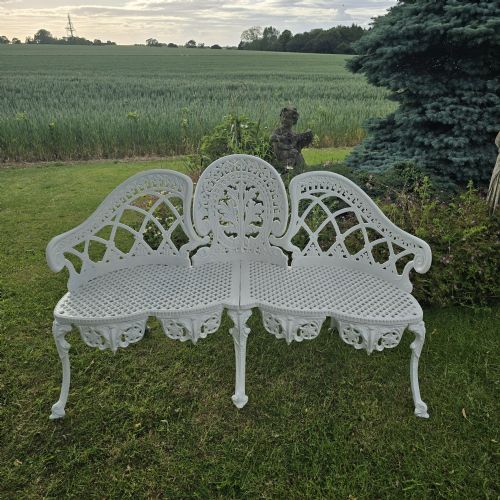
A cast metal garden bench provides a sturdy outdoor seat built to withstand the elements while offering decorative presence. These pieces emerge primarily from the Victorian period through to the interwar years, appearing in forms such as two-seater garden benches, daybeds, and four-seater seats.
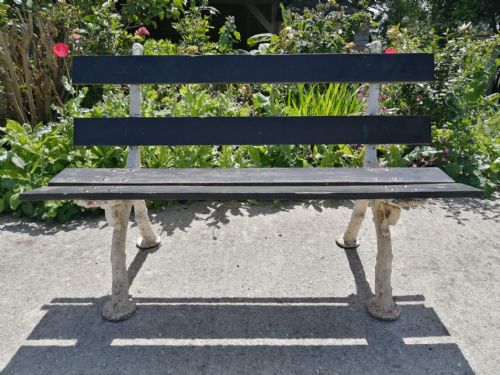
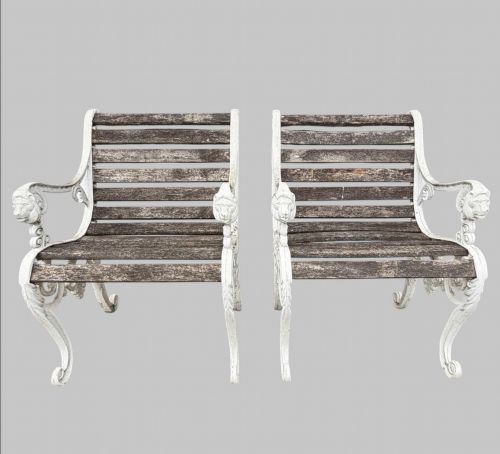
The materials span cast iron, wrought iron, and cast aluminium, frequently paired with timber or fabric components. Designs range from plain utilitarian seats to ornate Victorian decorative and rustic styles featuring faux bois or lion mask motifs.
How they were made
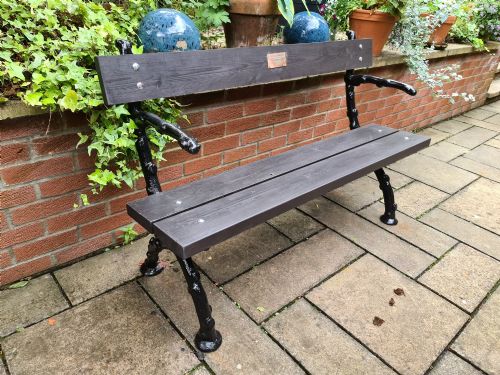
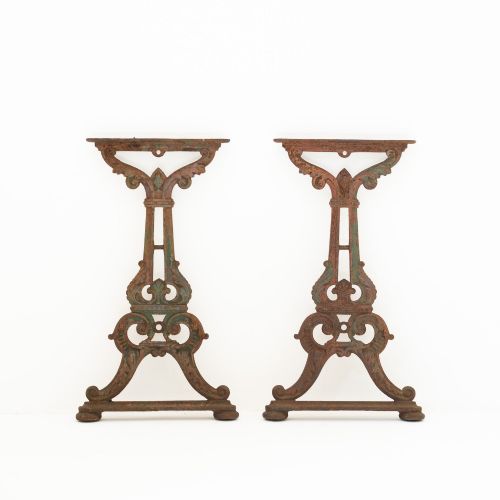
Makers utilised heavy casting techniques to shape intricate patterns in iron, creating solid frames that could support detailed ornamentation like faux bois branch work or strapwork. Molten metal poured into moulds produced robust structural ends and backs which were then bolted together.
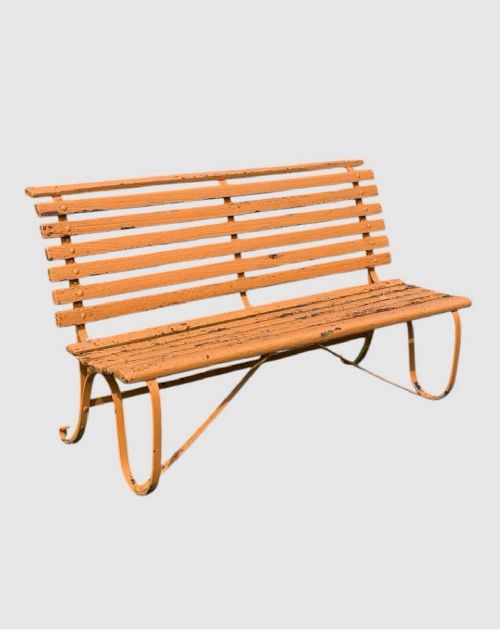
Timber slats or wooden planks were integrated into the metal frames to form the seating surface, combining rigid metallic support with practical wooden slats. Paint finishes were applied to protect the metal from weathering and corrosion in outdoor environments.
Cast Metal Garden Bench Retail Price Guide 2026
Typical asking prices for cast metal garden bench among the pieces listed under this phrase on Sellingantiques today, from the lower quarter to the upper quarter. They describe what is for sale here now, not the wider market.
Listings feature pieces spanning the Victorian era through the 1930s, constructed primarily from cast iron, wrought iron, and timber.
What varies in quality
The survival of original structural integrity and the harmony between the metalwork and integrated timber elements influence the character of each seat. Pieces retaining their structural weight without excessive pitting show better preservation.
Coalbrookdale
The Cast Metal Garden Bench Glossary
- Cast Iron
- An iron-carbon alloy poured into a mould to create hard, rigid shapes. It provides the heavy framework for traditional garden seating.
- Faux Bois
- A decorative style imitating wood grain or natural branches. This technique appears on Victorian ironwork to blend industrial materials with rustic forms.
- Strapwork
- Flat bands of metal interwoven or arranged in geometric patterns. It forms openwork decorative panels on the backs and sides of benches.
- Daybed
- A piece of furniture functioning as both a seat and a bed. Victorian examples in cast iron offer outdoor lounging with architectural ends.
Cast Metal Garden Bench: Frequently Asked Questions
How do I protect a cast iron garden bench?
Cast iron benches require regular inspection and maintenance of their painted surface to prevent rust formation from moisture. Keeping them clear of standing water and applying suitable protective coatings helps preserve the metal outdoors.
During harsher winter months, storing the bench under cover or using a breathable protective sheet shields the structure and any integrated timber slats from persistent frost and damp.
Are these benches heavy to move around the garden?
Cast metal benches possess considerable physical weight due to the density of iron components and timber additions. This heaviness gives them stability on lawns and patios so they remain secure in windy conditions.
Positioning the bench usually requires two people to lift and place it safely without damaging the legs or straining the structural joints.
How can I tell a Victorian bench from later periods?
Victorian pieces typically display deeper casting relief, heavier metal gauge, and specific decorative motifs such as elaborate strapwork, faux bois branch patterns, or lion masks. Their proportions often reflect 19th-century design preferences for ornate garden architecture.
Later interwar or revival examples tend toward simpler lines or lighter construction, reflecting changing manufacturing methods of the early 20th century.
Can these benches stay outside all year?
Cast iron and aluminium are built to endure external conditions, though prolonged exposure to dampness can cause surface corrosion if the paint barrier breaks down. The timber components attached to the frames are similarly susceptible to weathering.
Placing the bench on paved surfaces rather than directly on damp soil reduces moisture absorption and extends the lifespan of both the metal and wood.