

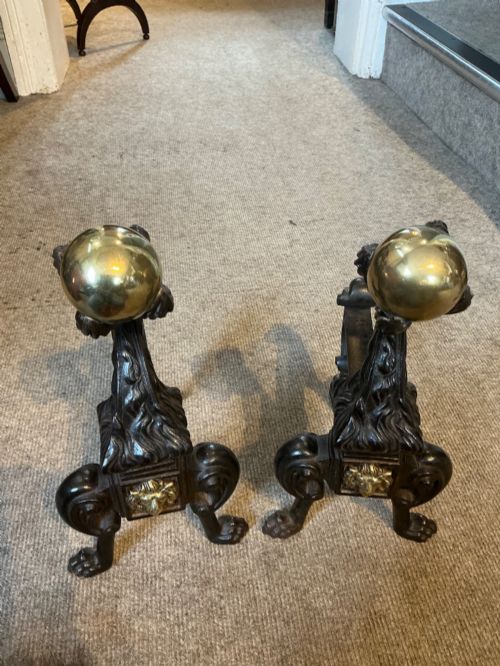


Cast Iron Tool
A cast iron tool brings heavy utility and period character to a room, ranging from workshop anvils to decorative fireplace accessories.
Cast Iron Tool
A cast iron tool encompasses a diverse range of functional implements and heavy equipment originating from domestic, workshop and retail settings. These objects bridge the gap between heavy industrial utility and decorative interior hardware.
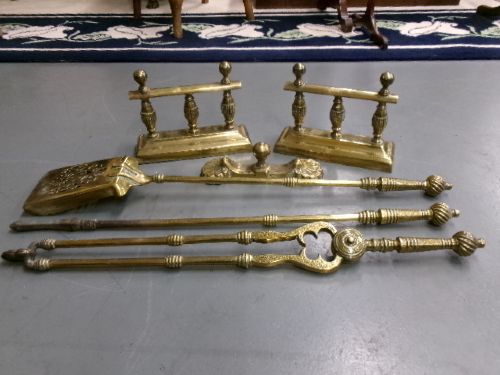
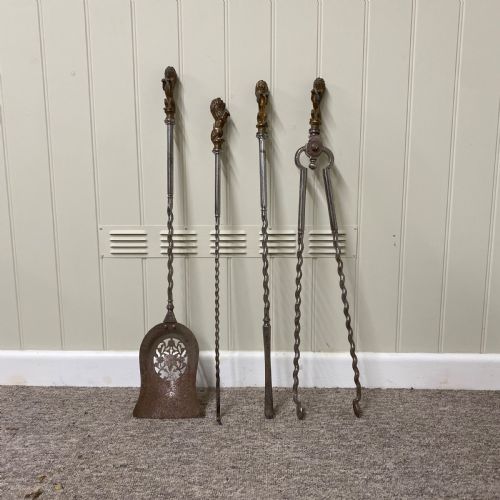
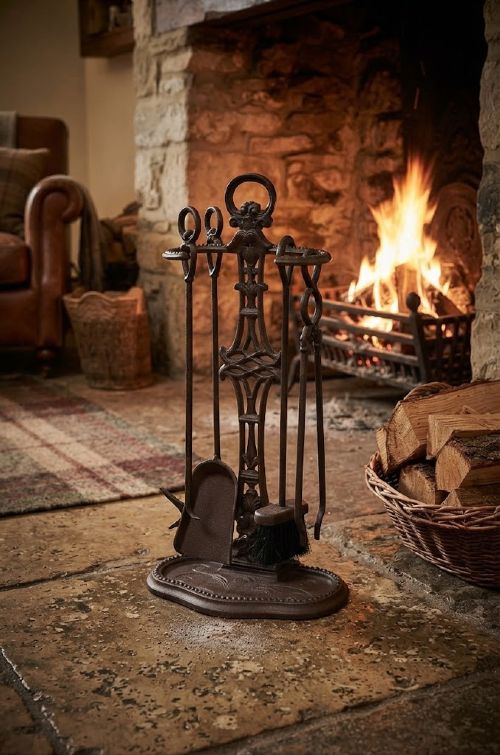
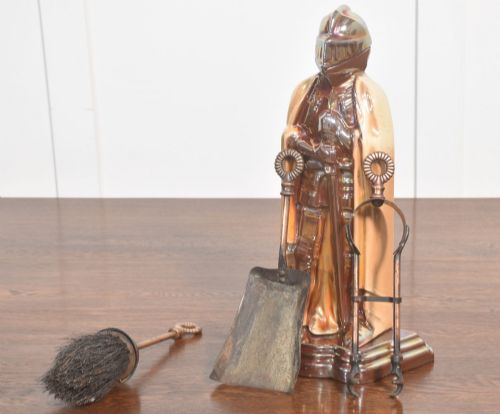
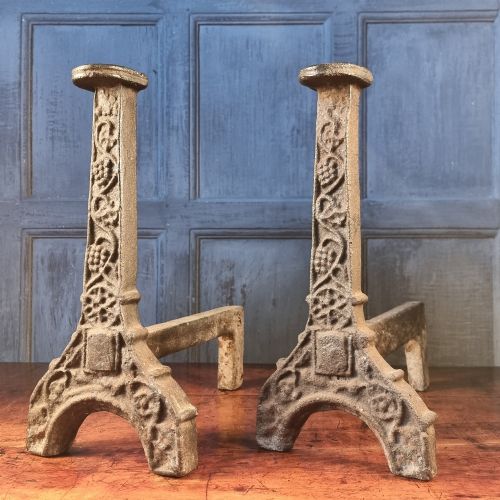
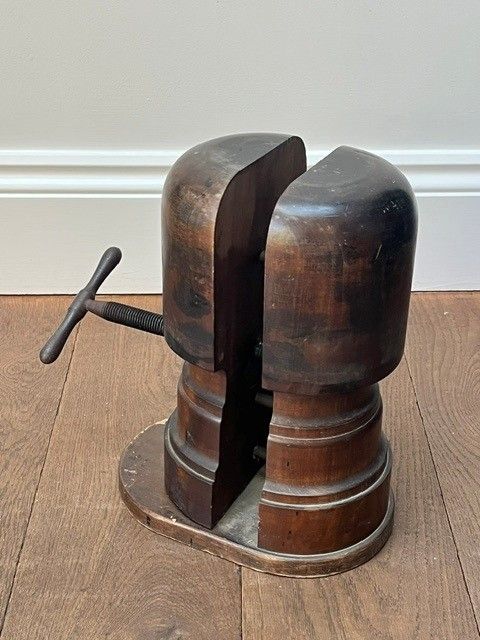
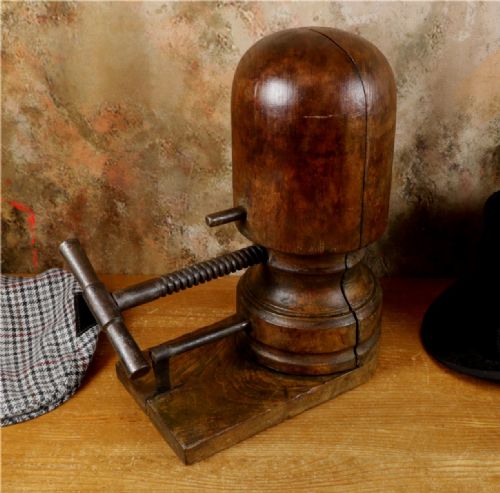
The selections on this page appear most frequently in forms intended for the hearth, such as companion sets, fire tools, and stands. Alongside these, buyers find specialist workshop equipment including smoothing planes, millinery stretchers, and blacksmith anvils.
Origins stretch across the Victorian, Edwardian, and Georgian periods, with examples spanning the sixteenth to the early twentieth century. Materials regularly combine cast iron with brass, steel, and hardwood elements.
How they were made
The primary construction relies on molten iron poured into sand moulds, yielding robust frames and heavy bases capable of withstanding intense daily friction. Makers combined this durable metal with forged steel components and turned wooden handles for grip and leverage.
Finishing techniques varied from simple black protective coatings to polished brass mounts, copper finishes, and painted details found on French art nouveau or Gothic revival pieces. Workshop tools utilised precision-annealed iron and gun metal where tight tolerances mattered.
Cast Iron Tool Retail Price Guide 2026
Typical asking prices for cast iron tool among the pieces listed under this phrase on Sellingantiques today, from the lower quarter to the upper quarter. They describe what is for sale here now, not the wider market.
Object types range from fireplace accessories and apothecary tools to millinery equipment, woodworking planes, and cobbler anvils.
What varies in quality
Quality separates everyday utilitarian factory output from pieces finished with artistic ambition, such as sculptural umbrella stands or finely detailed companion sets. The crispness of the casting lines and the preservation of original surface treatments dictate the visual standing of an object.
Integration of secondary materials like brass, copper, and hardwood signals higher workshop standards, particularly in Victorian fire irons and specialised millinery equipment. Maker marks and refined mechanical actions further elevate the stature of planes and cork presses.
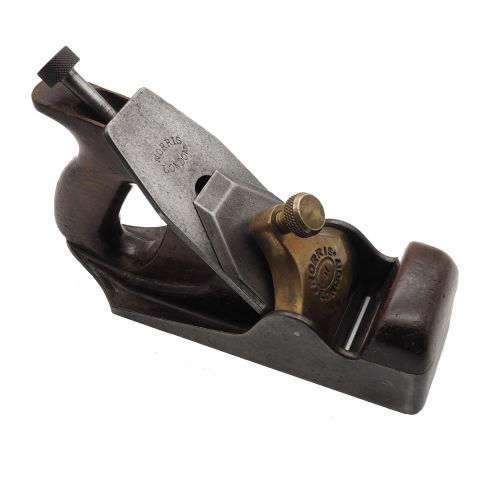
Norris London·Faudels Of London
The Cast Iron Tool Glossary
- Companion set
- A collection of fireplace implements, typically including a shovel, poker, and tongs, housed together on a dedicated stand. These sets often incorporate brass or cast iron detailing.
- Hat stretcher
- A specialist millinery device operated by a screw mechanism to expand wooden or metal blocks for sizing hats. These objects frequently double as decorative display pieces.
- Anvil
- A heavy block of iron or steel providing a solid surface for hammering metals. Blacksmith examples display utilitarian heft, while cobbler leg anvils feature specialised mounting spikes.
- Goffering iron
- A heated metal tool mounted on a stand, used by domestic workers in past centuries to press ruffles and lace. They rely on brass and iron construction.
- Annealed iron
- Metal subjected to a controlled heating and cooling process to reduce hardness and increase ductility. This treatment allowed makers like Norris to craft precision smoothing planes.
Cast Iron Tool: Frequently Asked Questions
How were cast iron tools used?
These implements served practical roles in domestic hearth maintenance, trade workshops, and retail establishments. Blacksmiths shaped metal, milliners stretched hats, and chemists compressed corks.
In the home, companion sets managed coal fires while decorative stands held umbrellas or walking sticks. Their robust composition ensured survival through decades of hard manual labour.
How do I clean a cast iron tool?
Maintenance requires gentle removal of surface dust and loose debris using a soft brush. Harsh chemical solvents or abrasive pads should be avoided to preserve original patinas.
Applying a light coat of neutral wax or specialised oil protects exposed metal from moisture. Keeping these objects in stable atmospheric conditions prevents active corrosion.
Are these tools suitable for daily use?
Many hearth tools and workshop implements retain their structural integrity and function effectively today. Brass fire irons and cast iron companion sets handle regular fireplace maintenance with ease.
Delicate or decorative items, such as antique millinery stretchers and sewing machines, function better as display pieces. Assessing the mechanical joints guides safe everyday handling.
How do I date a cast iron tool?
Dating relies on stylistic clues, manufacturing marks, and the combination of secondary materials. Victorian pieces often display ornate brass fittings, while Georgian items favor simpler lines.
Design movements like Art Nouveau or Gothic Revival provide clear chronological windows. Maker stamps and patent dates stamped into the metal offer precise temporal confirmation.