



Cast Iron Money Box
A cast iron money box holds centuries of savings in miniature, offering sturdy domestic charm to any desktop or shelf.
Cast Iron Money Box
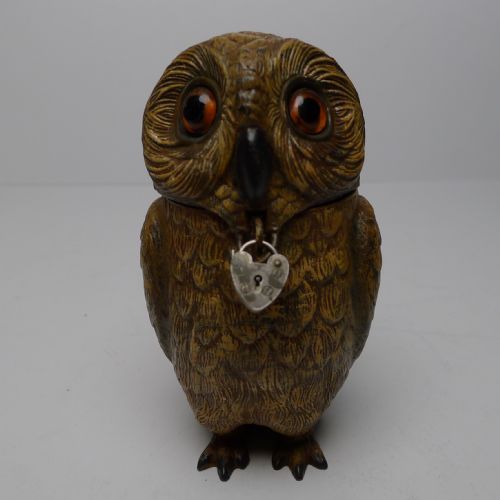
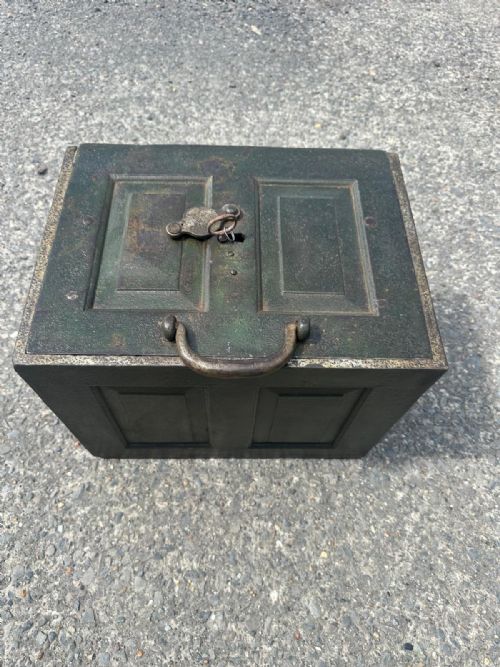
A cast iron money box takes the form of architectural buildings or animals, designed to encourage thrift in households. The archive holds nineteenth century examples shaped like houses alongside Victorian bear figures.
These items represent sturdy functional objects made to withstand daily handling by children and adults alike. Such pieces survive from the Victorian era as enduring tokens of past domestic life.
Materials and manufacture
Molten metal is poured into moulds to create the rigid structure of a cast iron money box. This technique captures sharp architectural details and animal textures during the cooling process.
Cast Iron Money Box Retail Price Guide 2026
Typical asking prices for cast iron money box among the pieces listed under this phrase on Sellingantiques today, from the lower quarter to the upper quarter. They describe what is for sale here now, not the wider market.
Past archive records show nineteenth century and Victorian items.
Assessing quality and finish
The Cast Iron Money Box Glossary
- Cast iron
- An alloy of iron and carbon poured into moulds while molten to form rigid objects. This durable material forms the structural foundation of every piece.
- Victorian
- The period of the reign of Queen Victoria, lasting from eighteen thirty-seven to nineteen oh one. Objects from this era reflect the industrial production methods of the nineteenth century.
- Nineteenth century
- The period from eighteen hundred to nineteen hundred. Items from this timeframe show the craftsmanship of the Victorian era.
- Money box
- A container with a slot for depositing coins, historically used for saving small sums at home. These functional domestic objects double as decorative ornaments.
Cast Iron Money Box: Frequently Asked Questions
What is a cast iron money box?
A cast iron money box is a heavy metal container shaped like buildings or animals, designed to hold saved coins securely.
These durable objects were produced in the nineteenth century as both practical household items and decorative ornaments.
How old are these money boxes?
The archive records examples dating from the nineteenth century and the Victorian era, showing their long history in domestic use.
Such pieces reflect the manufacturing capabilities and decorative tastes of the Victorian period.
How were they used?
Families kept them on shelves or tables to collect small coins over time, encouraging regular saving habits.
The sturdy construction meant they could be passed down through generations or opened when full.
What shapes do they come in?
Surviving examples take recognizable forms such as houses and bears, capturing popular architectural and animal subjects.
These designs made functional banking items appealing for domestic display.