

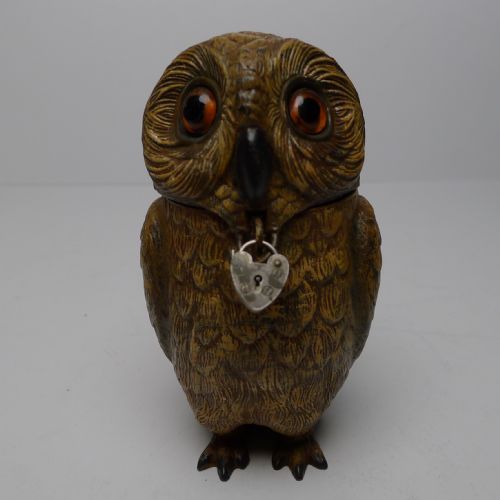


Cast Iron Money Bank
Cast iron money banks are sturdy Victorian utilitarian objects that collectors prize for their mechanical ingenuity and robust construction.
Cast Iron Money Bank
Cast iron money banks are solid savings receptacles shaped as architectural buildings or humorous figures. These pieces represent both late nineteenth century domestic items and functional toys.
The version most likely to be met on this page is the Victorian mechanical money bank. These examples showcase intricate moving parts operated by depositing a coin.
How they were made
These items are produced from cast iron, utilising molten metal poured into moulds to create rigid forms. This technique permits sharp relief work and complex mechanical linkages.
Moulds define the structural details, from architectural masonry like gothic facades to sporting figures. The resulting metal shells receive applied finishes or paint.
A Victorian mechanical football bank lets a small iron player boot your coin straight into the savings vault.
What varies in quality
The sophistication of the mechanical action separates standard savings boxes from intricate pieces. Smooth operation of levers and springs demonstrates superior manufacturing standards.
John Harper Co
The Cast Iron Money Bank Glossary
- Cast iron
- An iron-carbon alloy poured into a mould to solidify into a rigid shape. This heavy material provides durability for functional objects.
- Mechanical bank
- A savings box incorporating moving parts activated by inserting a coin. These pieces perform animated actions to reward the saver.
- Victorian
- Pertaining to the reign of Queen Victoria, spanning the nineteenth century. This era produced diverse cast iron domestic wares.
- Gothic
- An architectural style featuring pointed arches and ornate stonework motifs. This aesthetic influences the decorative appearance of specific money banks.
Cast Iron Money Bank: Frequently Asked Questions
How do mechanical money banks work?
Mechanical money banks operate through internal levers, springs, and linkages connected to coin slots.
Inserting a coin triggers a movement, such as a figure kicking a football or depositing the currency into the receptacle.
When were these money banks made?
These money banks date from the late nineteenth century during the Victorian period.
This era saw significant production of cast iron novelty items and functional household objects.
What styles are common for these banks?
Common styles include architectural forms like gothic banks and figural subjects representing sports or characters.
These designs reflect Victorian tastes for narrative and mechanical novelty.