



Cast Brass Scales
Cast brass scales combine utilitarian precision and heavy metalwork, offering collectors tactile pieces of commercial and domestic history.
Cast Brass Scales
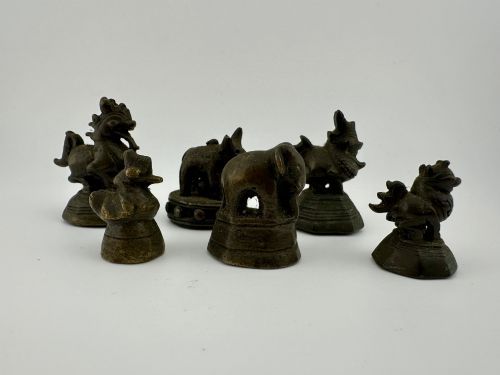
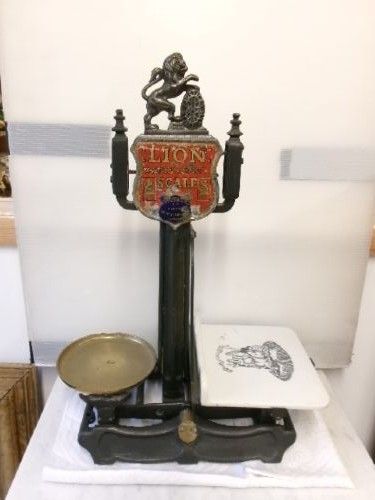
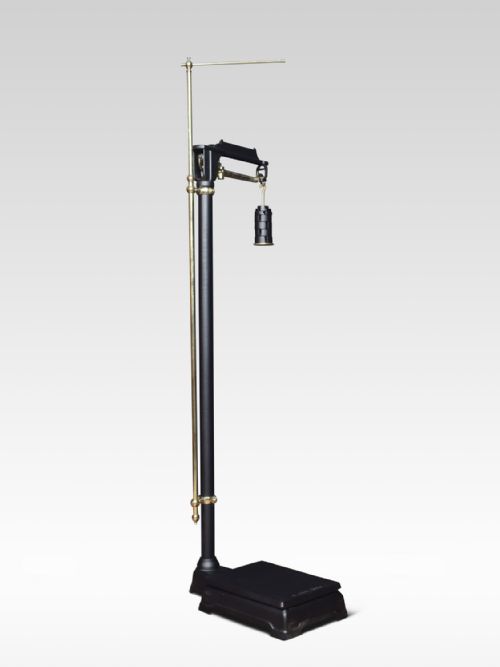
Cast brass scales appear in various forms across this marketplace, encompassing traditional balance scales and trade apparatus.
Buyers encountering these items will observe nineteenth-century designs alongside earlier eighteenth-century examples.
The selection ranges from butcher's balance scales to grocer's apparatus, reflecting practical historical weighing uses.
Materials and construction
Makers utilised durable combinations of brass, cast iron, and bronze to construct the primary frames and balance mechanisms.
Structural elements frequently incorporated supplementary materials such as wood, iron, steel, ceramic, and oak to complete the stands and bases.
Cast Brass Scales Retail Price Guide 2026
Typical asking prices for cast brass scales among the pieces listed under this phrase on Sellingantiques today, from the lower quarter to the upper quarter. They describe what is for sale here now, not the wider market.
Assessing quality and character
Quality separates standard utilitarian equipment from finer examples through the crispness of the cast metal and the legibility of maker inscriptions.
The integrity of the original components and the preservation of the metal surfaces dictate the standing of individual pieces.
The Cast Brass Scales Glossary
- Balance scale
- A weighing device operating on the principle of equal arms, where an object of unknown mass is matched against known weights.
- Cast brass
- An alloy of copper and zinc poured into a mould to form rigid structural or decorative components.
- Victorian
- Relating to the reign of Queen Victoria, a period represented strongly in nineteenth-century metalwork and industrial design.
Cast Brass Scales: Frequently Asked Questions
What are cast brass scales?
Cast brass scales are historical weighing devices built with metal components for commercial or domestic use.
They utilise balance mechanisms to measure mass precisely.
How were scales used?
Shops and households utilised these devices to weigh goods accurately for trade or daily tasks.
Merchants relied on them to price commodities correctly.
How do I date them?
Stylistic markers and material combinations help indicate the manufacturing period of each piece.
Nineteenth-century examples often display distinct industrial casting techniques.
How do I clean them?
Careful maintenance preserves the aged metal surfaces without removing historical character.
Dusting and light wiping keep brass components stable.