



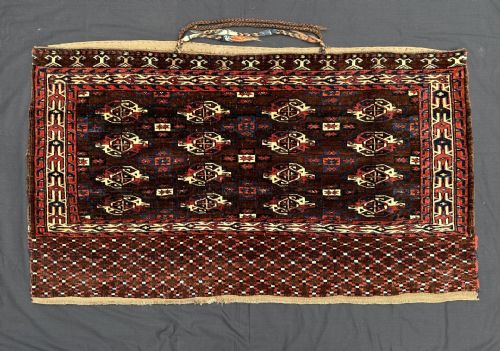

Caspian Tribal Rug
A caspian tribal rug brings the geometric power of Central Asian nomadic weaving directly into modern interiors.
Caspian Tribal Rug
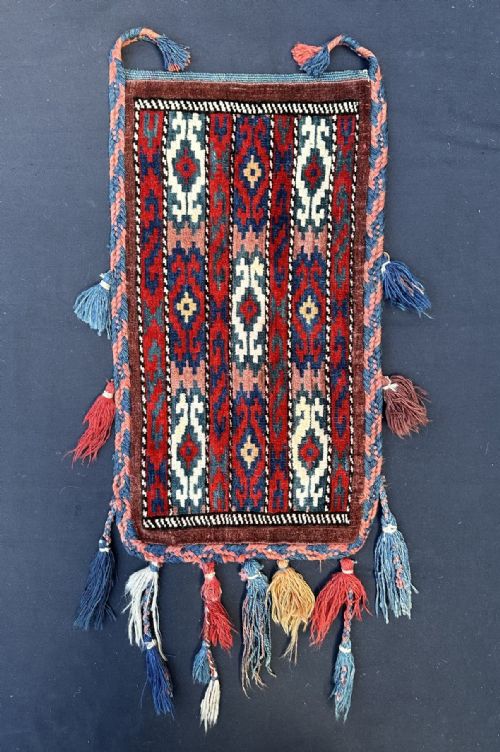
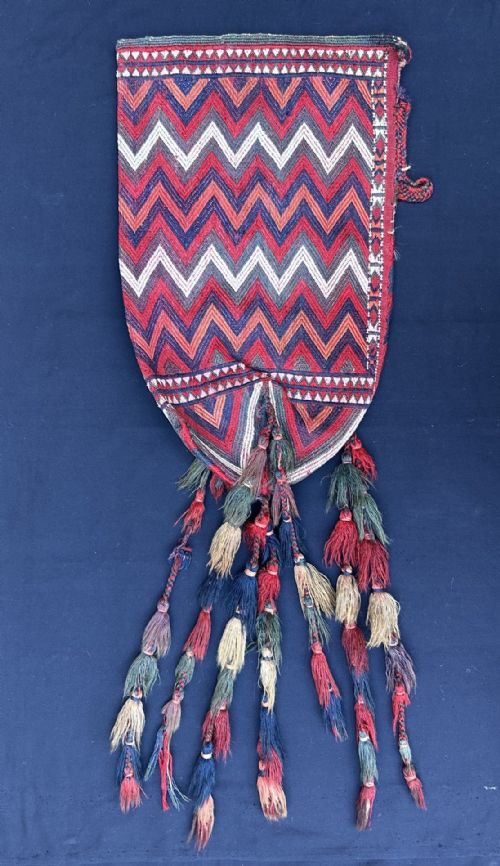
The items you are most likely to meet on this page are Yomut tribal weavings produced between eighteen-sixty and eighteen-ninety. They typically manifest as smaller utility pieces and trapping forms rather than room-sized floor coverings. Each textile carries the distinct visual language of Central Asian nomadic traditions.
Materials and construction
These textiles rely entirely on wool and hand-spun wool for their structural pile and foundation yarns, sometimes supported by cotton. Artisans utilised natural dyes to achieve deep, saturated tones that mature gracefully over time. The spinning and dyeing methods reflect traditional nomadic practices handed down through generations.
The construction of these weavings focuses on durability and portability, suited to the lifestyle of the Yomut tribes across the Central Asian steppes. Close knotting and sturdy wool selection ensured these utility bags and tent trappings could withstand daily nomadic use.
Caspian Tribal Rug Retail Price Guide 2026
Typical asking prices for caspian tribal rug among the pieces listed under this phrase on Sellingantiques today, from the lower quarter to the upper quarter. They describe what is for sale here now, not the wider market.
Listings in this category span the decades from eighteen-sixty to eighteen-ninety, featuring wool, natural dyes, and cotton materials.
Qualities that separate the best pieces
Quality in these nomadic weavings rests upon the crispness of the tribal motifs and the handling of natural dyes. Finer examples display superior precision in the geometric patterning and greater subtlety in colour variation across the wool pile.
The integrity of the hand-spun wool foundation and the tightness of the weave also distinguish finer survivals. Pieces retaining their original structural edges and uncompromised natural dye saturation occupy the upper tier of this category.
The Caspian Tribal Rug Glossary
- Asmalyk
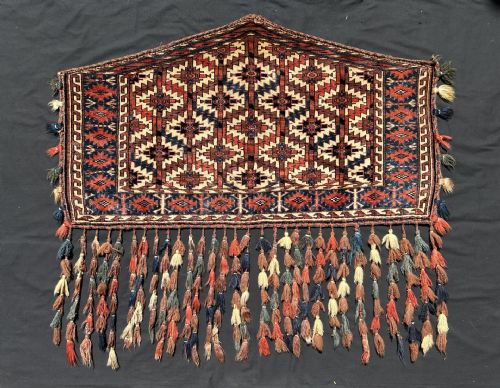
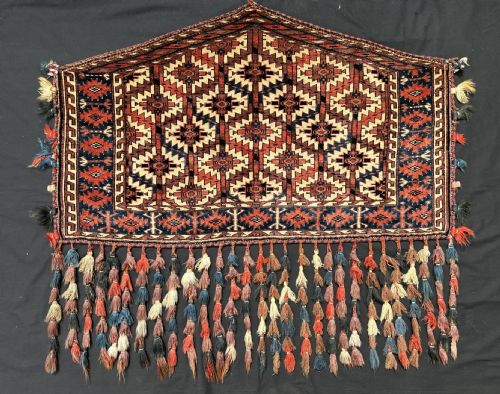
- A large, pentagonal or polygon trapping traditionally hung in a yurt or mounted on a camel during Yomut wedding processions. These decorative textiles feature intricate geometric guls.
- Kap
- A large storage bag utilised within the nomadic tent to hold household possessions and blankets. These utility pieces showcase robust wool construction and bold tribal patterns.
- Torba
- A smaller wall-hanging storage bag placed inside the nomadic dwelling to store personal items or utensils. They often display horizontal rows of primary guls.
- Uk Bash
- A decorative tent band or trapping piece associated with the interior architecture of nomadic dwellings. These textiles demonstrate specialised regional motifs.
- Natural Dyes
- Colorants derived from plant and mineral sources before the introduction of synthetic aniline dyes. They produce rich, nuanced tones that mellow attractively with age.
Caspian Tribal Rug: Frequently Asked Questions
What is a caspian tribal rug?
A caspian tribal rug is a nineteenth-century textile originating from the nomadic Yomut tribes of the Trans-Caspian steppes in Turkmenistan. These pieces include functional bags, tent trappings, and decorative wall hangings woven from hand-spun wool.
They represent the material culture of Central Asian nomads, featuring geometric designs and natural dyes that reflect specific tribal identities.
How were these tribal pieces used?
Nomadic families utilised these textiles for daily storage, interior tent decoration, and ceremonial processions. Items like spindle-bags, torbas, and chuvals held household goods within portable dwellings.
Larger trappings such as asmalyks served decorative functions during important cultural events like weddings, mounted specifically for ceremonial display.
How do I care for a textile?
Protect these wool and cotton items from direct sunlight to preserve the natural dye colours. Gentle vacuuming without a beater bar removes surface dust safely.
Professional textile conservation cleaning should be sought if deep cleaning becomes necessary, avoiding standard washing methods entirely.
How are different Yomut pieces told apart?
Yomut weavings are distinguished by their specific functional forms, such as pentagonal asmalyks, rectangular torbas, or smaller spindle-bags. Each form dictates a particular dimension and placement of geometric motifs.
Examining the handling of hand-spun wool and natural dye palettes helps identify the distinct period of manufacture between eighteen-sixty and eighteen-ninety.