



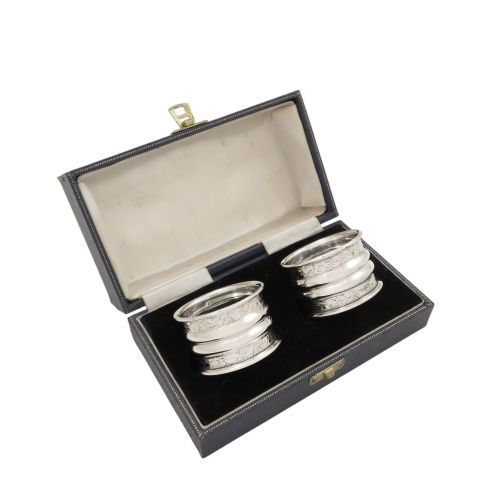

Cased Silver Napkin Bands
Cased silver napkin bands are fitted sets for the dining table, offering polished elegance and secure storage.
Cased Silver Napkin Bands
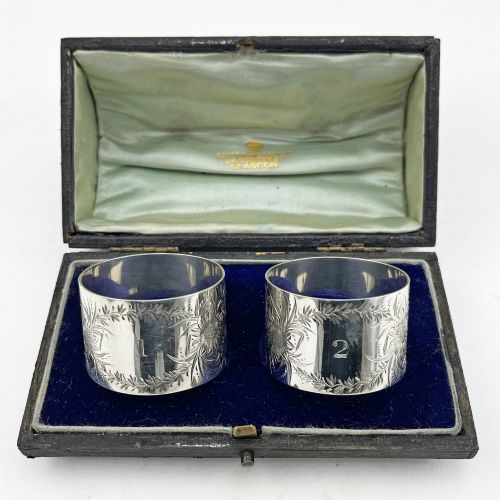
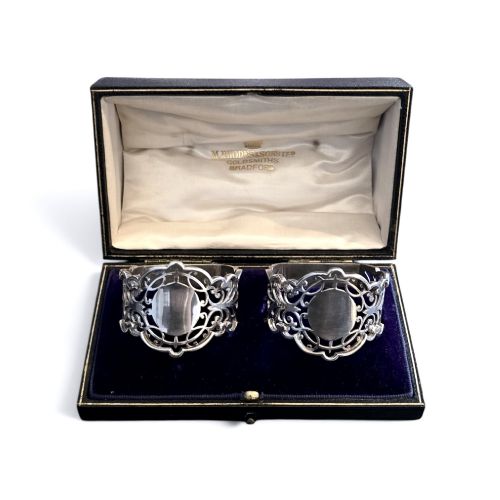
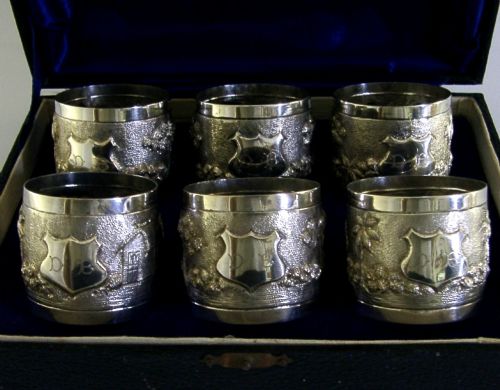
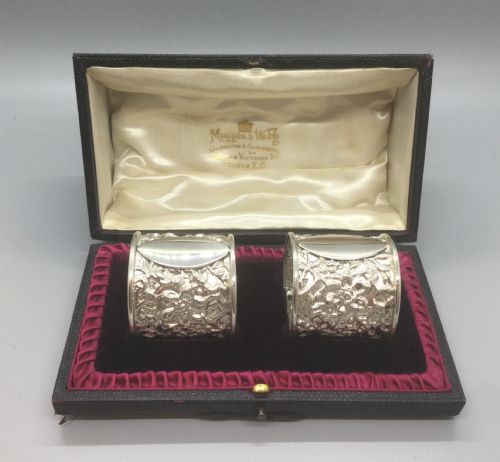
When you search for cased silver napkin bands, you encounter matched pairs or sets of silver table rings presented in fitted presentation boxes. These objects serve to identify individual diners' napkins at formal meals while keeping the metal protected when not in use.
How they were made
The bands are shaped from sterling silver or silver, often formed into pairs or larger sets intended for formal dining. Goldsmiths utilised sheet silver, bending and soldering the ends to create sturdy cylindrical bands suitable for engraving or surface decoration.
Presentation cases are constructed from materials such as leatherette, leather, silk and velvet to line the interior and cradle each ring securely. The boxes protect the polished metal from tarnish and scratching during storage.
Cased Silver Napkin Bands Retail Price Guide 2026
Typical asking prices for cased silver napkin bands among the pieces listed under this phrase on Sellingantiques today, from the lower quarter to the upper quarter. They describe what is for sale here now, not the wider market.
Cases incorporate protective linings of silk, velvet, leather and leatherette to cradle each napkin ring securely.
What varies in quality
Quality in these sets is judged by the weight and gauge of the silver used in the bands, alongside the crispness of any engraved detail or structural motifs such as belt designs. Heavier gauge metal resists denting and maintains its round form over decades of handling.
The condition and original manufacture of the protective case also determine the overall standing of the piece. Cases with intact silk linings, sound leatherette or leather exteriors, and working closures preserve the complete history of the set.
Martin Hall & Co
The Cased Silver Napkin Bands Glossary
- Sterling silver
- A silver alloy containing 92.5 percent pure silver and 7.5 percent other metals, usually copper, chosen for durability in tableware. This standard is marked by traditional hallmarks on British pieces.
- Cased
- Describes an antique sold with its original fitted presentation box, lined with materials like velvet and silk. Such containers were designed specifically to store the items safely.
- Victorian
- The period spanning the reign of Queen Victoria, associated here with items produced during the late nineteenth century. Pieces from this era often display distinct stylistic motifs.
- Edwardian
- The period covering the reign of King Edward VII, noted in these listings for early twentieth-century craftsmanship. Items from this time frequently feature refined decorative touches.
- George V
- The period of the reign of King George V, representing British manufacturing in the 1910s. Tableware from this era maintains formal dining traditions.
Cased Silver Napkin Bands: Frequently Asked Questions
What are cased silver napkin bands?
These items are matched sets of silver rings used to hold individual napkins at the dining table, preserved within fitted presentation boxes. They combine practical utility with decorative presentation for formal dining.
The inclusion of a dedicated case helps protect the polished silver surface from excessive tarnish and physical damage when stored between meals.
How were these napkin rings used?
Hosts placed them on the dining table at each place setting, assigning a specific ring to each guest for the duration of a house party or formal dinner series. This system ensured diners kept the same cloth throughout multiple meals.
Between uses, the rings were slid back into their velvet or silk-lined slots inside the fitted box for safe keeping.
How do I care for silver napkin rings?
Silver napkin rings require gentle cleaning with a specialised silver cloth to remove tarnish without abrading the metal surface or any engraved decoration. Storing them in their original case minimises exposure to air and slows down the tarnishing process.
Avoid using harsh chemical dips, which can strip away patination and damage the finer details of the silver.
How can I tell the period of a set?
Dating relies on examining the hallmarks stamped into the silver, which indicate the assay office, standard, and date letter corresponding to specific years. Stylistic clues, such as the shape of the case and the decorative motifs on the bands, also point to Victorian or Edwardian origins.
Comparing the construction methods and the materials used in the lining helps confirm the era of manufacture.