




Cased Glass Decanters
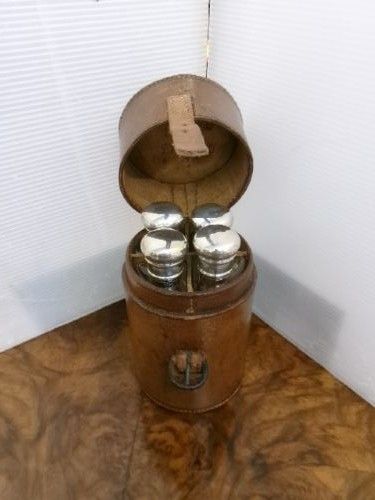
These cased glass decanters and fitted holders combine fine glassware with protective outer boxes or leather cases.
Cased Glass Decanters
When you search for cased glass decanters, you encounter a specialised form of drinking vessel and transportable barware designed to protect fragile glass. The pieces on this page span the Victorian and Edwardian eras, alongside earlier Georgian examples, reflecting a long tradition of portable hospitality.
The objects take several distinct forms, from individual carafes and hock decanters housed in leather cases to elaborate oak or coromandel decanter boxes and tantalus sets. Many incorporate brass mounts, while others pair cut crystal with fitted compartments for secure travel.
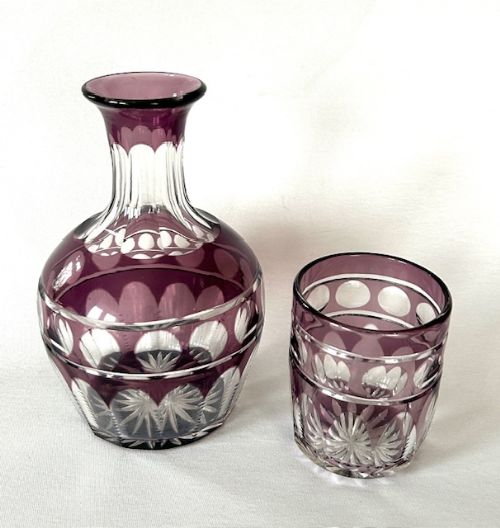
Originating primarily from the nineteenth century, these items served both domestic utility and travel needs. The selection ranges from tall colour-over-crystal vessels to ecclesiastical bottles encased in bronze, showing the diverse ways glass was housed.
How they were made
Makers constructed the outer housings using durable timbers such as oak, mahogany, and coromandel, frequently enhancing them with brass mounts, leather, and marquetry stringing. These materials provided the structural rigidity necessary to protect the fragile glass contents during transport.
The glassware itself relies on traditional glassblowing and cutting techniques, producing heavy cut crystal and layered colour-over-crystal hock decanters. Artisans also utilised silver for bottle tops and fitted bronze for specialised ecclesiastical enclosures.
Cased Glass Decanters Retail Price Guide 2026
Typical asking prices for cased glass decanters among the pieces listed under this phrase on Sellingantiques today, from the lower quarter to the upper quarter. They describe what is for sale here now, not the wider market.
Some Victorian travellers required a locked case just to keep guests away from the brandy.
What varies in quality
Quality rests heavily on the execution of the housing and the sophistication of the glasswork. Pieces featuring dense hardwoods like coromandel with precise brass mounting and fitted interiors represent a higher tier of craftsmanship than simpler pine or plain oak variants.
The glass component itself dictates the standard through the depth of the cutting, the clarity of the crystal, and the success of colour overlays. The integration between the fitted case and the vessel within demonstrates the original maker's skill.
The Cased Glass Decanters Glossary
- Tantalus
- A locking drinks cabinet that restrains decanters to prevent unauthorized access while displaying the contents. The mechanism holds the stoppers firmly in place until the frame is unlocked.
- Coromandel
- A dense, heavily figured exotic timber imported from Asia, prized for its dark grain and rich colour. Makers utilised it extensively for high-end nineteenth-century presentation boxes and drinks cabinets.
- Hock decanter
- A tall, slender wine vessel traditionally used for white wines like German hock. These often feature cased or colour-over-crystal glass construction.
- Marquetry
- The art of applying decorative veneer pieces to a structure to form intricate patterns. Craftsmen used contrasting woods to create delicate stringing on nineteenth-century boxes.
- Casket
- A decorative box or chest designed for holding valuables, scent bottles, or small vessels. They frequently feature fitted velvet or silk interiors with secure brass locks.
Cased Glass Decanters: Frequently Asked Questions
What is a cased glass decanter?
These pieces consist of glass decanters or bottles paired with protective outer enclosures, ranging from leather travel flasks to fitted wooden boxes.
They were designed to safeguard delicate glassware during transit or to secure fine spirits within a domestic setting.
How were these decanter boxes used?
Owners used them for portable entertaining on campaigns, travel, or dining in affluent nineteenth-century homes.
The fitted compartments kept bottles, flasks, and glasses secure and organised while moving between rooms or locations.
How do I care for a decanter box?
Maintain the wood and leather exteriors with appropriate traditional waxes and balms to prevent the natural materials from drying out.
Keep the glass clean using warm water and avoid harsh detergents that might harm antique metal mounts or fitted linings.
How can I tell the age of these pieces?
Dating relies on identifying timber choices, lock mechanisms, brass mount styles, and the specific cutting techniques used on the glass.
Victorian and Edwardian pieces show distinct joinery methods and hardware designs that differ from earlier Georgian examples.