



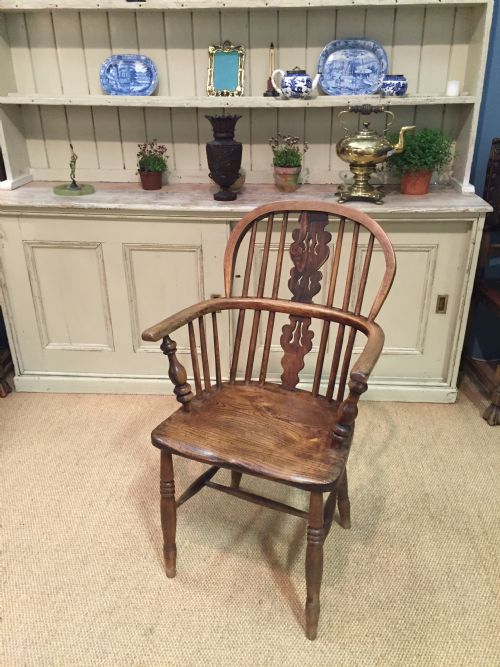


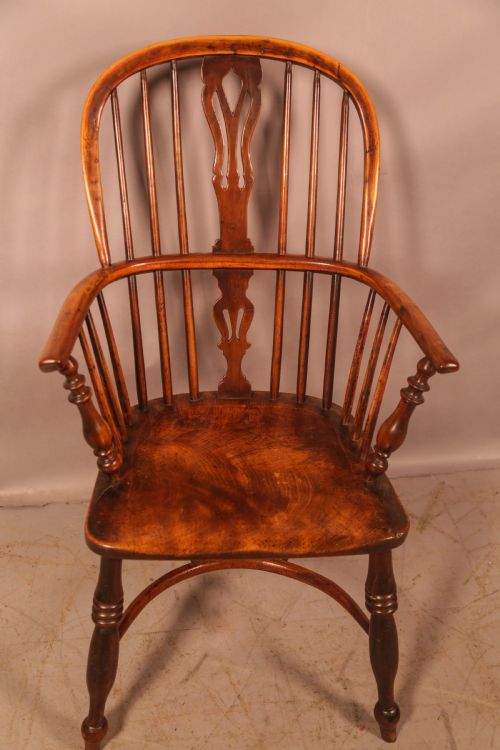
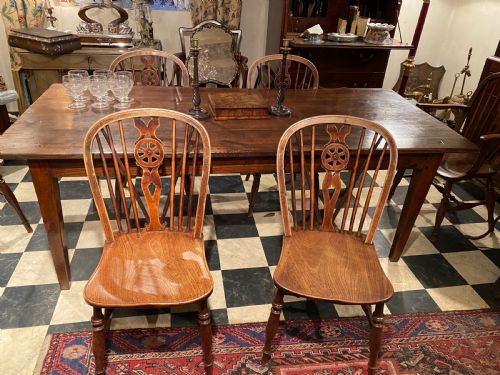
Carved Yew Wood Chair
A carved yew wood chair brings the warmth of English country tradition into a room through rich grain and honest vernacular joinery.
Carved Yew Wood Chair
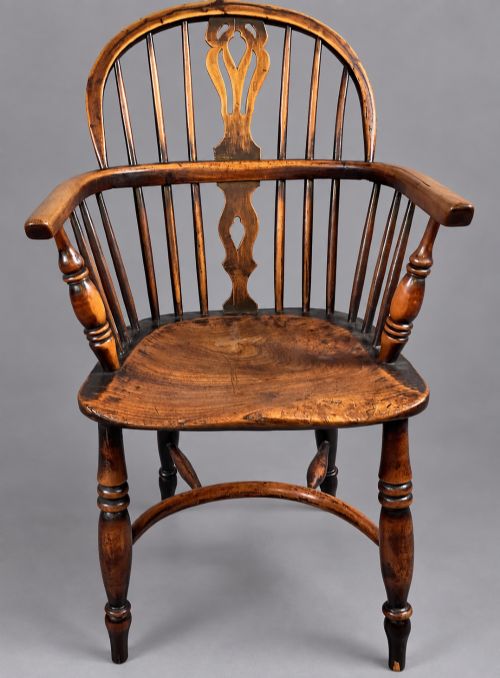
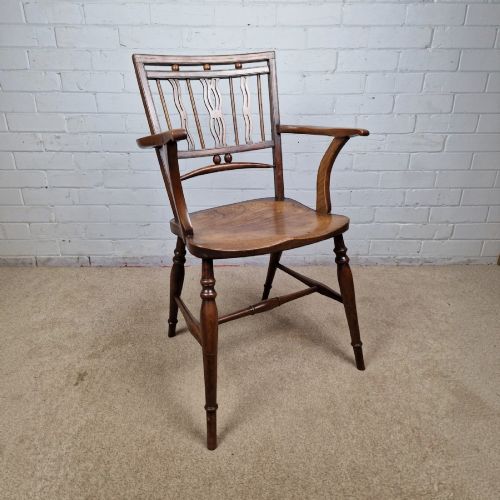
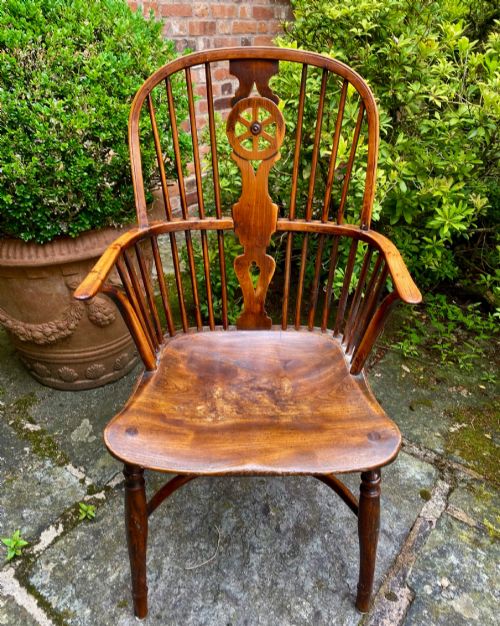
A carved yew wood chair typically takes the form of a Windsor or captains chair shaped by regional makers during the Georgian, Regency and nineteenth-century periods. These sturdy seats combine carved yew wood components with complementary timbers like elm, ash, beech and fruitwood.
The selection ranges from high-back Windsor chairs and broad-arm variations to low-back styles and childs armchairs rooted in English country and Victorian vernacular traditions.
How they were made
Maker-craftsmen shaped yew wood alongside elm, ash and fruitwood, often pairing a dense yew or carved panel with a solid elm seat. Construction relied on traditional framing and spindle-turning techniques suited to robust regional seating.
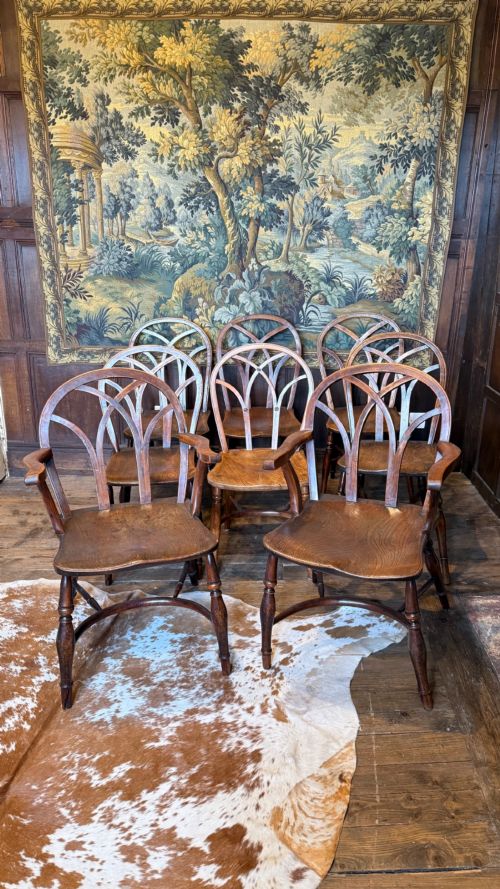
Specific regional workshops incorporated carved details such as snake head motifs and Gothic Revival elements into vernacular chair frames during the eighteenth and nineteenth centuries.
Carved Yew Wood Chair Retail Price Guide 2026
Typical asking prices for carved yew wood chair among the pieces listed under this phrase on Sellingantiques today, from the lower quarter to the upper quarter. They describe what is for sale here now, not the wider market.
Listings span the seventeenth through the nineteenth centuries, incorporating Georgian, Regency and Victorian periods.
What varies in quality
The distinction lies in timber selection and the presence of unusual regional carving, such as snake head details or distinctive broad arms. Chairs featuring mixed secondary woods like laburnum and fruitwood alongside yew demonstrate notable regional character.
Structural integrity and the retention of original surface patination across the yew grain and elm seats elevate certain examples above standard workshop production.
The Carved Yew Wood Chair Glossary
- Windsor chair
- A chair built with a solid wooden seat into which the legs and back spindles are direct-inserted. This form became a staple of English country seating.
- Captains chair
- A low-backed armchair featuring a continuous curved wooden rail supported by numerous spindles. These chairs were designed for domestic and commercial comfort.
- Broad arm
- A chair design featuring an exaggerated, widened wooden armrest meant for writing or resting. This form appears frequently in nineteenth-century country seating.
- Vernacular
- Objects made by local artisans following traditional regional patterns rather than high-style metropolitan designs. This approach defines much of the available seating.
- Gothic Revival
- An architectural and decorative style that revived medieval forms during the nineteenth century. Chairs in this style incorporate pointed arches and related ornamentation.
Carved Yew Wood Chair: Frequently Asked Questions
What is a Windsor chair?
A Windsor chair is a seating form defined by a solid wooden seat that directly receives the legs from below and the back spindles from above.
This construction method creates a sturdy, resilient frame that has served domestic spaces for centuries.
How do I identify yew wood?
Yew wood exhibits a dense grain marked by deep reddish-brown tones interspersed with paler amber streaks.
Over time, polished yew develops a warm, mottled surface patination that distinguishes it from oak or ash.
Where were these chairs made?
Regional workshops across England produced these chairs, with specific examples originating from the Thames Valley and other distinct rural districts.
Local makers utilised accessible regional timbers such as yew, elm, beech and fruitwood.
How do I care for a yew wood chair?
Maintain the timber by keeping the chair away from direct heat sources and sudden humidity shifts.
Apply occasional traditional wax to nourish the surface and preserve the natural grain patination.