
Carved Wooden Shelving Unit
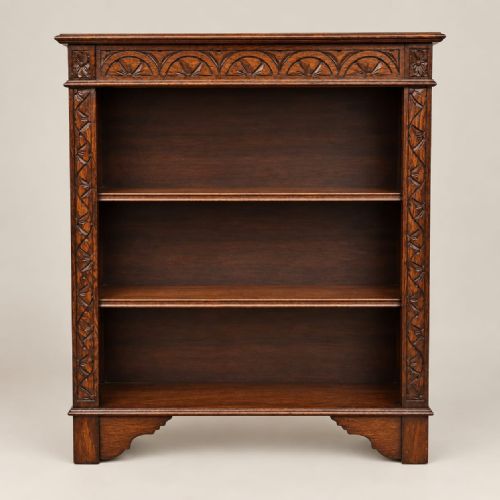
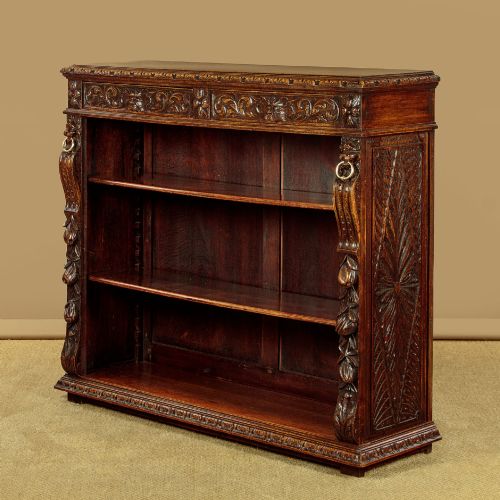
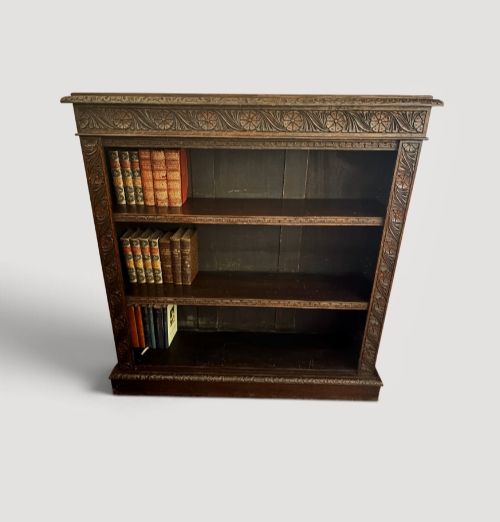
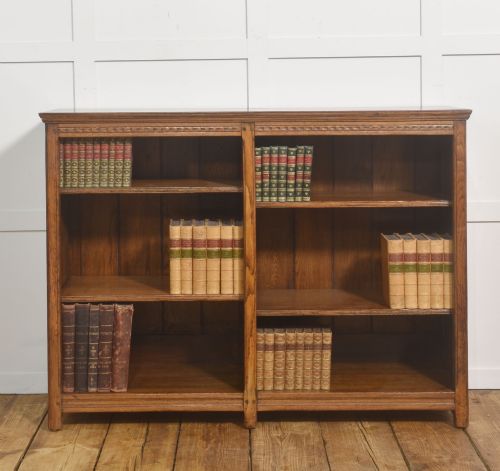
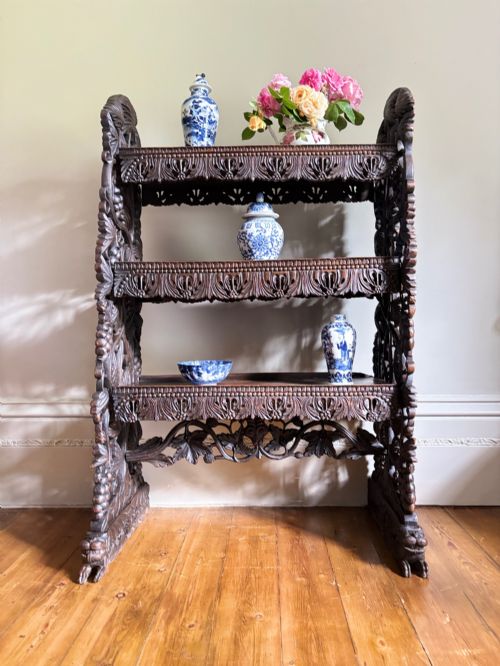
A carved wooden shelving unit provides open display space, drawing the eye to books and decorative objects.
Carved Wooden Shelving Unit
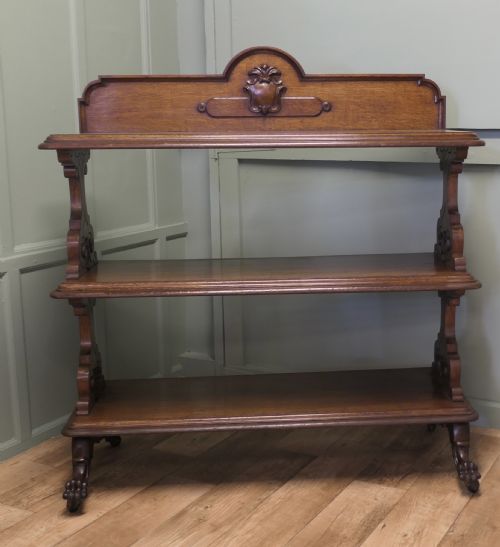
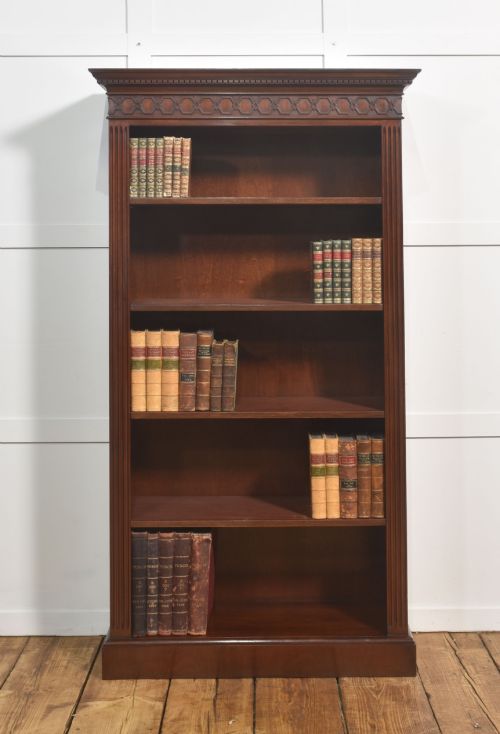
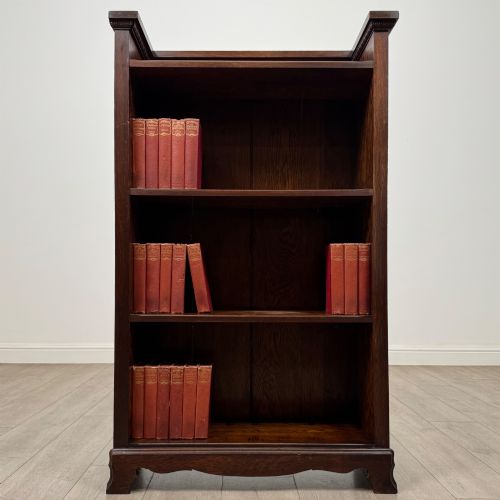
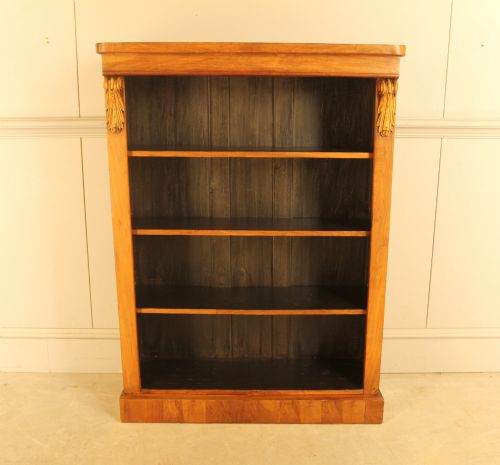
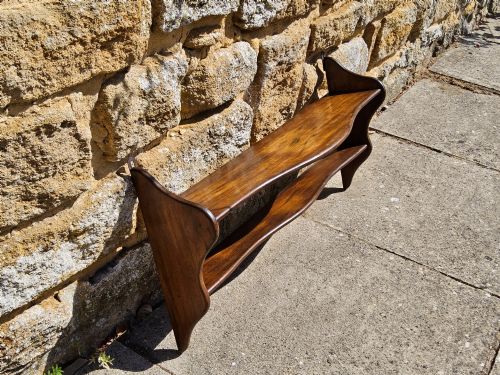
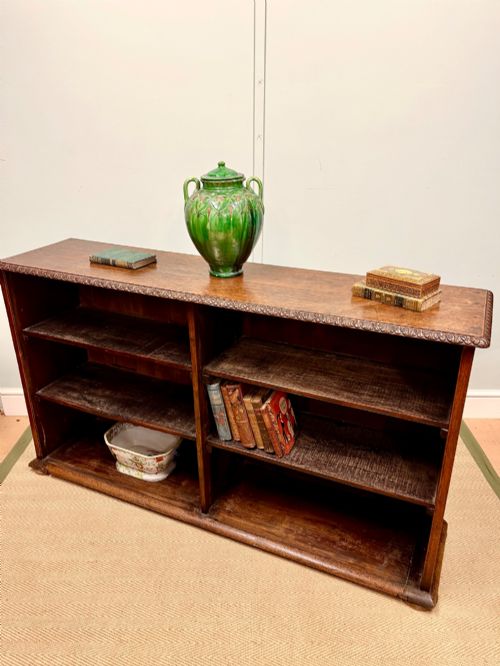
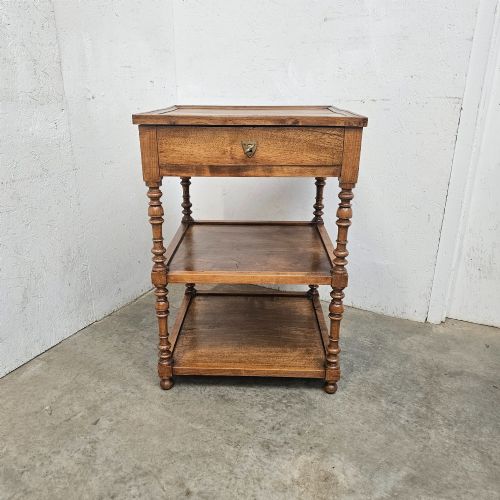
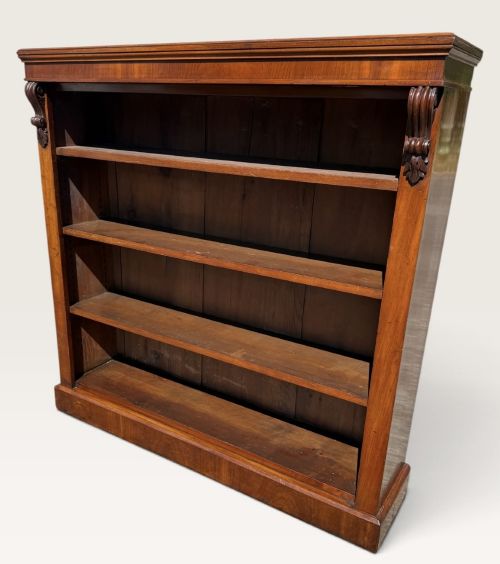
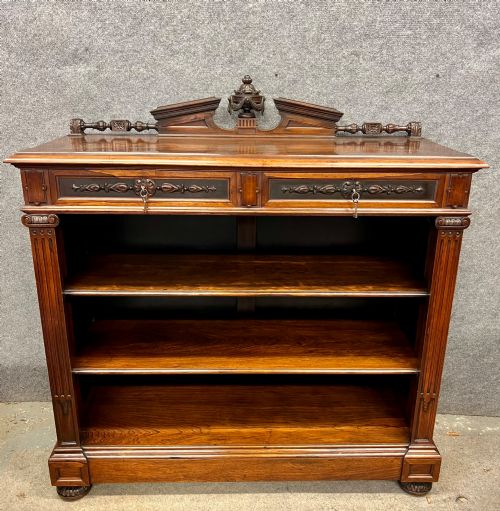
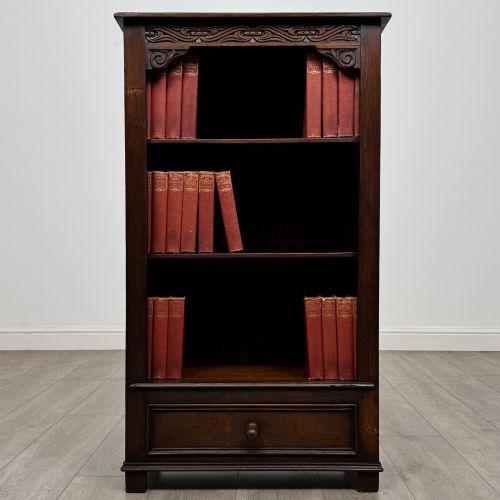
A carved wooden shelving unit groups books and ornaments on upright tiers, taking the form of open bookcases, wall shelves, etageres, and whatnots across periods from the eighteenth century to the twentieth century. These pieces serve practical storage needs while anchoring a room with architectural timber presence.
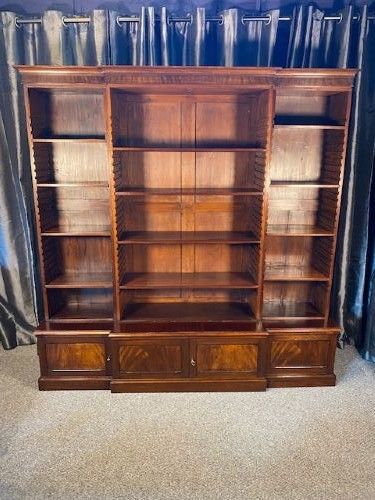
The versions most commonly met on this page span Victorian oak and walnut open bookcases alongside Edwardian mahogany designs and nineteenth-century wall shelving. Buyers encounter wall-hanging formats, floor-standing uprights, and corner units shaped by styles ranging from Jacobean Revival to Arts and Crafts and Regency.
How they were made
Joiners and cabinetmakers constructed these frames using hardwoods such as mahogany, oak, walnut, teak, and padauk, often selecting figured timbers like flame mahogany veneer and burr walnut for visual depth. Structural stability relied on traditional mortise and tenon joinery, sturdy upright supports, and adjustable shelf mechanisms.
Carving, turning, and inlay work defined the surface enrichment, utilising hand-chiselled mouldings, turned spindle legs, and contrasting wood or olive wood inlays. Selected pieces incorporated brass hardware, mirrored panels, or hand-painted details to accent the timber framework.
Listings feature oak, mahogany, walnut, and exotic timbers spanning Victorian, Edwardian, and Regency periods.
What varies in quality
The standard of timber selection and depth of carving separate exceptional examples from standard production, with superior pieces displaying carefully matched grain patterns and crisp, hand-executed botanical or geometric relief work. Finer construction shows in the weight of the timber, the integration of solid backboards, and the precise fitting of drawers or adjustable shelf ratchets.
Proportion and stylistic cohesion dictate the distinction at the upper end of the range, where balanced architectural mouldings and harmonious timber selection elevate everyday utility into considered furniture design. Lesser pieces rely on plain stock without decorative carving or structural articulation.
The Carved Wooden Shelving Unit Glossary
- Etagere
- A set of open shelves for displaying small ornaments or books, typically featuring multiple tiers supported by slender columns or turned uprights.
- Whatnot
- A piece of freestanding furniture with several tiers of shelves, popular in the nineteenth century for holding books and decorative objects.
- Padauk
- A heavy tropical hardwood known for its deep reddish-brown colour and durability, utilised in nineteenth-century Anglo-Indian shelving.
- Burr walnut
- A prized timber veneer showing swirling, knotty growth patterns harvested from walnut tree burls, valued for decorative cabinet fronts.
- Breakfront
- A large bookcase or cabinet whose central section projects forward from the flanking outer sections, creating architectural rhythm.
Carved Wooden Shelving Unit: Frequently Asked Questions
What is an etagere?
An etagere is an open-tiered shelving unit designed specifically for displaying ornaments, ceramics, and small collections.
These pieces typically feature delicate turned supports and multiple levels, making them lighter in appearance than standard bookcases.
How do I date a wooden bookcase?
Dating relies on identifying timber choices, construction techniques, and stylistic markers such as Victorian turned legs or Edwardian inlaid motifs.
Examining the backboards, shelf adjustment systems, and screw types helps confirm the period of manufacture.
Where should I place wall shelves?
Wall shelves suit empty wall spaces above sideboards, desks, or seating areas where they add vertical display capacity.
Ensure wall fixings anchor securely into studs or solid masonry to support the weight of timber and books.
What is a whatnot?
A whatnot is a multi-tiered shelving unit used traditionally for holding ornaments, books, and curiosities in Victorian interiors.
Many examples include small drawers at the base and mirrors incorporated into the upper framework.