

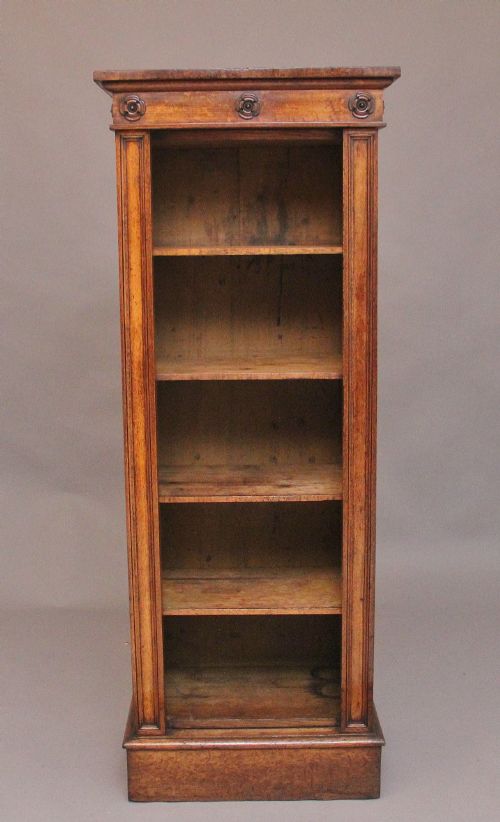
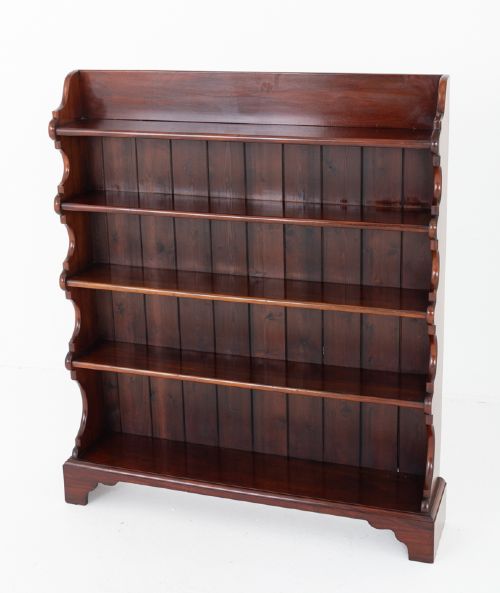
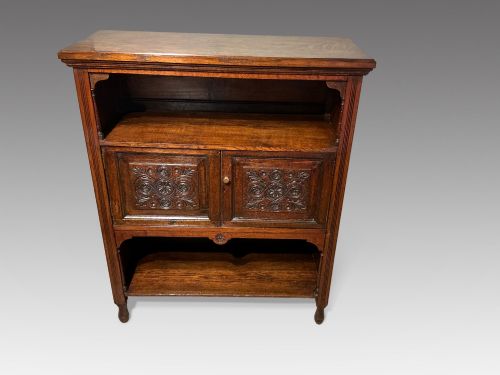
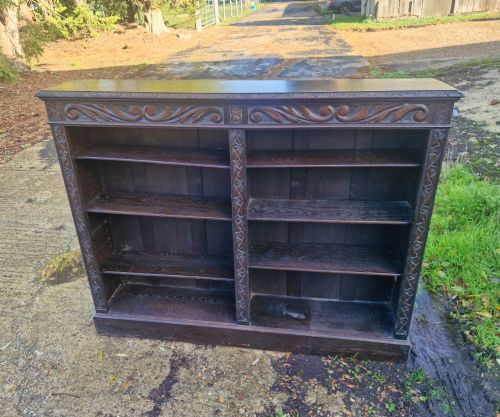
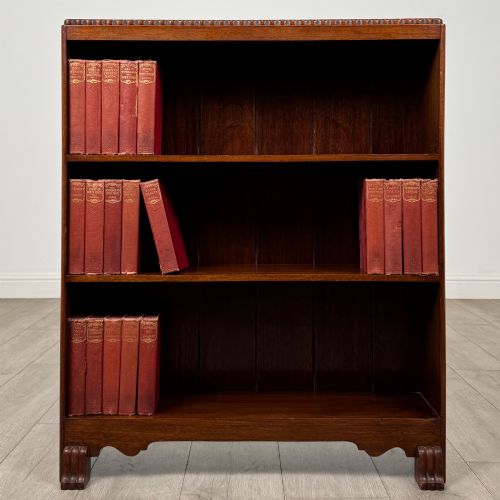
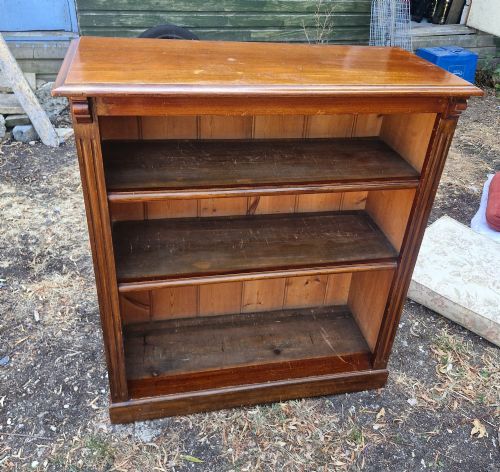
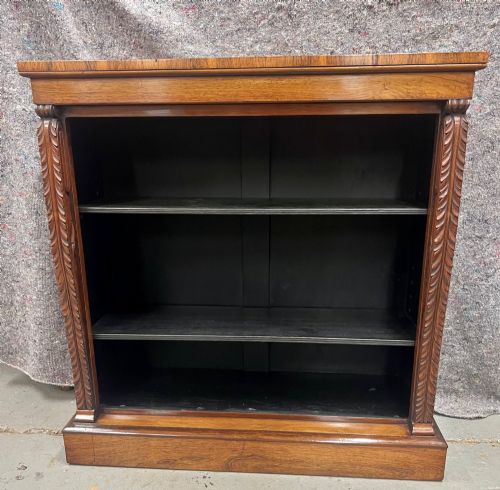
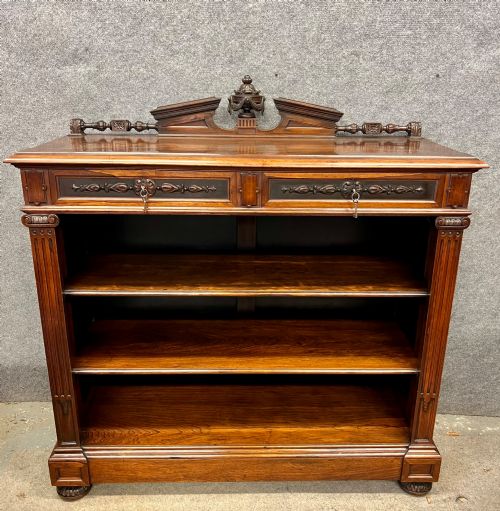
Carved Wooden Open Bookshelf
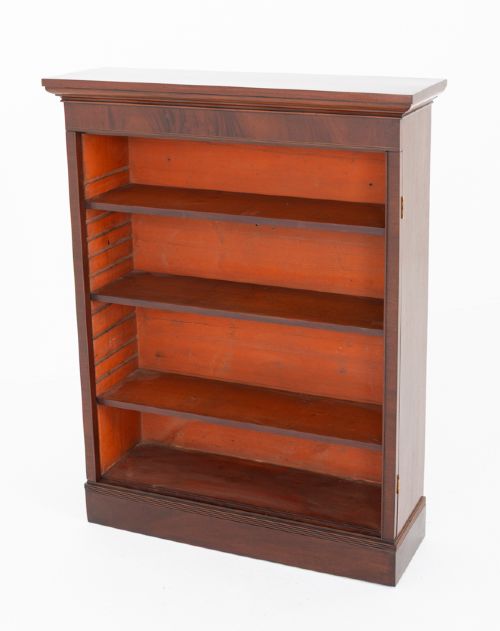
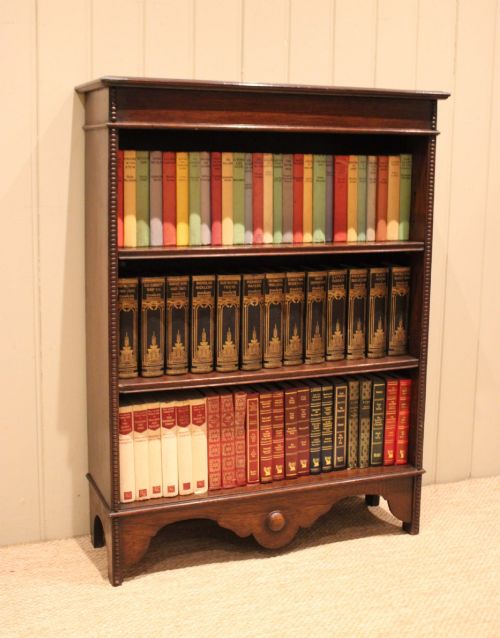
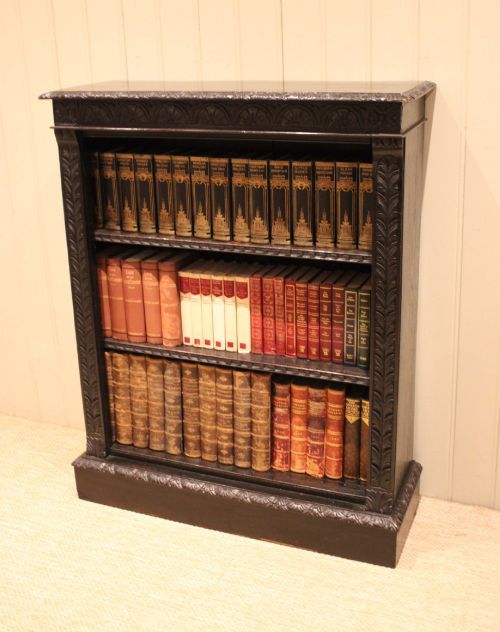
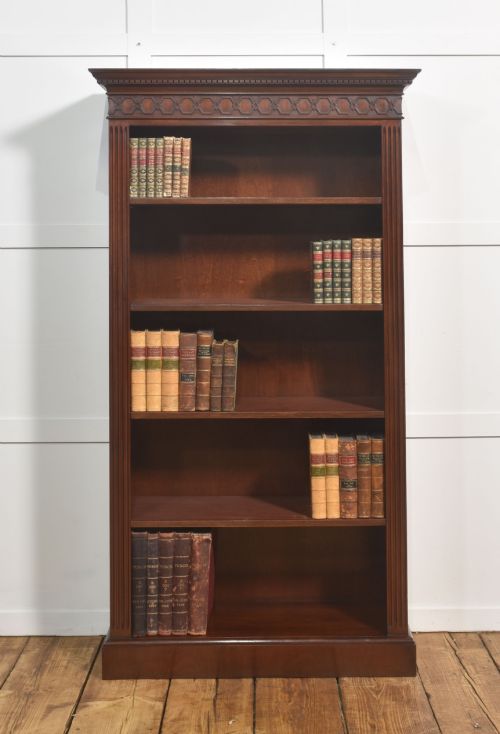
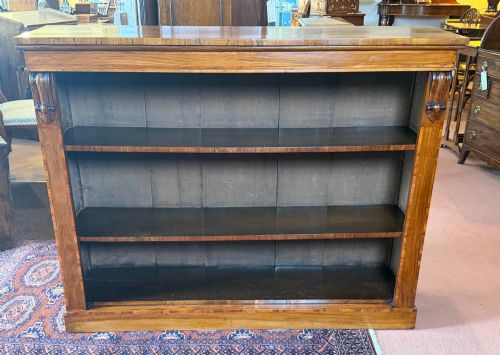
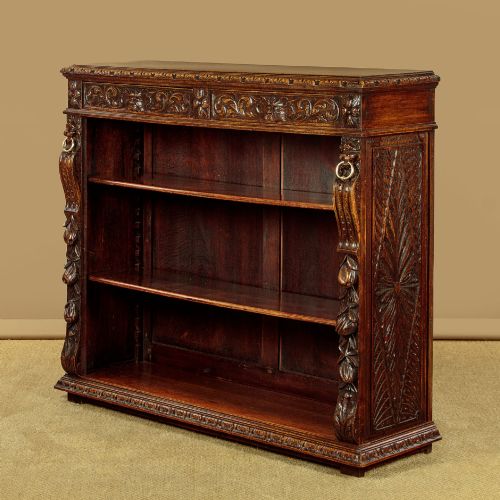
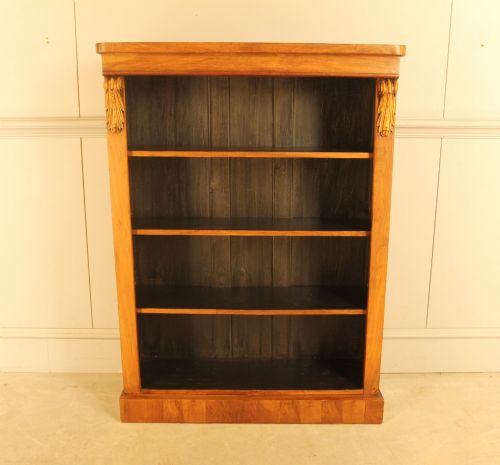
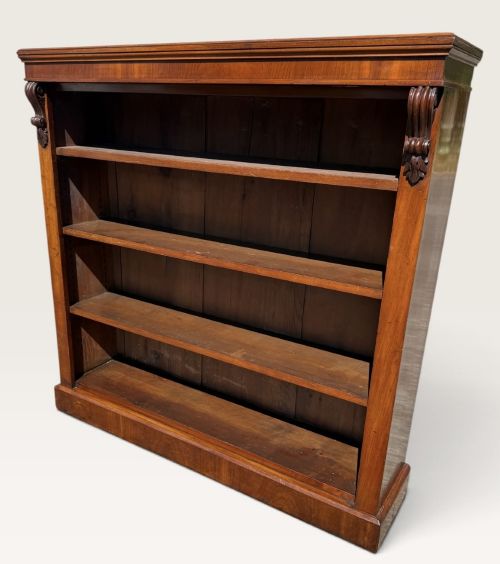
A carved wooden open bookshelf offers accessible display and storage, bringing tactile warmth and period character directly to a room.
Carved Wooden Open Bookshelf
A carved wooden open bookshelf provides accessible display and storage, bringing tactile warmth and period character directly to a room.
The pieces appearing under this search phrase span the nineteenth century, the Victorian and Edwardian eras, and into the twentieth century.
Buyers frequently encounter oak and mahogany bookcases featuring adjustable shelves, wall shelves, and multi-tiered whatnots.
Examples range from small country house items to large breakfront library bookcases and continental open library furniture.
Materials and construction
Cabinet makers utilised dense hardwoods such as oak, mahogany, walnut, burr walnut, rosewood, teak, and satinwood, along with softer pine.
Construction methods involved solid wood and veneered surfaces, often incorporating hand-carved details such as corbels and decorative mouldings.
Many items include functional elements like adjustable wooden shelving, brass fittings, integrated drawers, and mirror panels.
Carved Wooden Open Bookshelf Retail Price Guide 2026
Typical asking prices for carved wooden open bookshelf among the pieces listed under this phrase on Sellingantiques today, from the lower quarter to the upper quarter. They describe what is for sale here now, not the wider market.
The furniture forms include standard open bookcases, wall shelves, breakfront library bookcases, corner cabinets, and multi-tiered whatnots.
Judging the range
Excellence in these pieces is rooted in the selection of timber, where burr walnut, rosewood, and figured mahogany elevate the visual depth of the wood grain.
The refinement of the carving, from simple linear mouldings to elaborate corbels and architectural detailing, distinguishes standard items from exhibition pieces.
Structural integrity relies on timber selection and joinery, which determines how well adjustable shelving and freestanding carcases withstand continuous weight.
The Carved Wooden Open Bookshelf Glossary
- Open bookcase
- A piece of furniture designed for storing books without doors enclosing the front shelves. Many period examples include adjustable wooden shelves.
- Whatnot
- A multi-tiered piece of freestanding furniture used for displaying ornaments or books. These often feature slender upright supports and sometimes incorporate drawers.
- Corbel
- A structural or decorative bracket projecting from the face of a bookcase. They frequently feature carved wooden details in Victorian designs.
- Breakfront
- A piece of furniture where the central section projects forward from the flanking wings. This architectural arrangement adds visual depth to large library bookcases.
- Etagere
- A set of open shelves for displaying small objects. The term is often used interchangeably with whatnot in period listings.
Carved Wooden Open Bookshelf: Frequently Asked Questions
How do I style an open bookshelf?
Place the bookshelf against a solid wall in a study, living room, or hallway to anchor the space. Balance rows of books with decorative objects, framed photographs, or small sculptures to keep the display visually engaging.
Ensure heavy volumes sit on lower shelves for stability while lighter paperboards or decorative items occupy upper tiers. Leave some empty space around objects to maintain a clean, uncluttered appearance.
Are shelves usually adjustable?
Many period pieces feature adjustable shelves supported by wooden pegs or metal tracks. This allows you to alter shelf heights for varying book sizes.
Fixed shelves do appear in certain older or simpler cabinets, so check the description if you need flexibility for larger volumes.
What is the difference between a bookcase and a whatnot?
A bookcase is primarily built for holding books, typically featuring deep, sturdy shelves enclosed by sides and a back. They range from low wall units to large library bookcases.
A whatnot is a lighter, multi-tiered display piece meant for ornaments and smaller items, supported by slender upright pillars rather than heavy wooden sides.
How do I care for antique wood?
Dust the wood regularly with a soft, dry cloth to prevent dirt accumulation. Avoid placing the furniture in direct sunlight or near heat sources to prevent the timber from drying out or cracking.
Apply a quality beeswax polish occasionally to nourish the grain and maintain the natural lustre of mahogany, oak, or walnut surfaces.