





Carved Wooden Cartouche
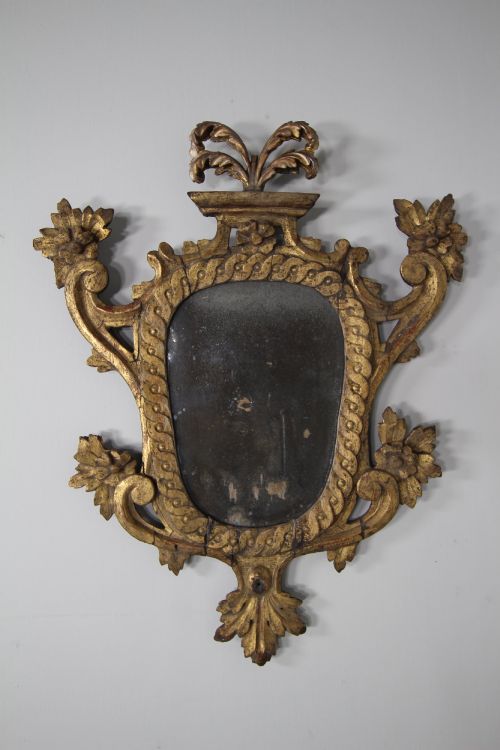
A carved wooden cartouche brings sculptural depth to a wall, offering intricate frames and heraldic shields shaped by centuries of handwork.
Carved Wooden Cartouche
When you search for a carved wooden cartouche, you are looking for ornamental panels, architectural carvings, and heraldic shields shaped with scrolled borders. These pieces function as decorative wall plaques or central motifs designed to draw the eye with their relief work.
The versions you are most likely to meet on this page include 19th Century and Victorian examples executed in oak, mahogany, and walnut. Many take the form of heraldic lion shield crests or architectural fragments reflecting styles from Italian Baroque to Gothic Revival.
Makers drew on historical vocabularies ranging from 18th Century Rococo to George II designs, producing wood carvings that often incorporate gold leaf or enamel accents. The selection spans straightforward carved wood panels to complex armorial displays intended for prominent interior placement.
How they were made
Carvers shaped these pieces primarily from solid hardwoods such as oak, mahogany, walnut, and fruitwood using hand chisels and gouges. The choice of timber determined the crispness of the relief, with dense woods allowing for sharp undercut scrolls and detailed foliage.
Many examples received surface finishes including gilding with gold leaf or were left in their natural polished grain. The joinery and backing construction relied on traditional cabinetmaking methods appropriate to wall plaques and architectural elements.
Carved Wooden Cartouche Retail Price Guide 2026
Typical asking prices for carved wooden cartouche among the pieces listed under this phrase on Sellingantiques today, from the lower quarter to the upper quarter. They describe what is for sale here now, not the wider market.
Design influences across the inventory include Victorian, Gothic Revival, George II, Italian Baroque, and 18th Century Rococo.
What varies in quality
Depth of relief and sharpness of hand-tool work separate superior carving from mechanical or lazy execution. The best pieces show crisp undercut foliage, balanced symmetry in scrolled borders, and confident handling of anatomical or heraldic details.
The choice and figuring of the timber also define the grade of the piece, with richly grained walnut or tiger oak elevating the object. Original surfaces, whether polished wood or intact gold leaf, retain historical integrity that heavier later interventions obscure.
The Carved Wooden Cartouche Glossary
- Cartouche
- An ornamental tablet or panel resembling a scroll or unrolled sheet of parchment, often framed with elaborate scrolls and used to hold a crest or inscription.
- Gilt
- A thin layer of gold leaf applied to the carved wooden surface to create a brilliant decorative finish. This technique highlights the relief work by catching the light.
- Heraldic
- Pertaining to armorial bearings and coats of arms, frequently depicted on carved shield crests. These designs reflect lineage and formal pageantry.
- Rococo
- An ornate architectural and decorative style characterised by asymmetrical C-scrolls, shell motifs, and naturalistic plant forms. It flourished during the 18th century.
- Undercut
- A carving technique where the wood is cut away beneath a motif so that parts stand completely free from the background. This creates deep shadows and high relief.
Carved Wooden Cartouche: Frequently Asked Questions
Where should I hang a carved wooden cartouche?
These pieces suit prominent wall spaces where their relief work can catch directional light, such as above a fireplace or centred in a hallway. They function well as standalone wall plaques or as architectural accents above doorways.
Ensure the wall fixings match the weight of the dense hardwood backing. Positioning them at eye level allows the fine details of the carving to be fully appreciated.
How do I clean a carved wooden cartouche?
Dust the carving gently with a soft, dry brush to remove particles from the recesses of the scrollwork without disturbing the wood surface. Avoid using liquid polishes or harsh chemical cleaners that can damage historic finishes.
Keep the piece away from direct sunlight and extreme humidity fluctuations to prevent the timber from splitting. Regular, gentle dusting preserves the natural patina of the wood.
What periods do these carvings come from?
The available pieces primarily date from the 17th, 18th, and 19th centuries, including specific Victorian interpretations. Styles range from Italian Baroque and Gothic Revival to George II and French Country designs.
Examining the tool marks, timber species, and framing style helps determine the exact era of execution. Each period brought distinct interpretations to the traditional cartouche form.