

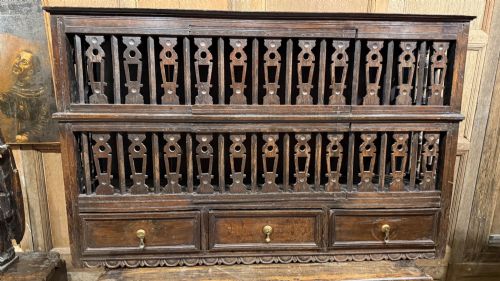


Carved Wooden Bread Cupboard
A carved wooden bread cupboard keeps your daily loaf fresh while anchoring a room with centuries of artisan skill.
Carved Wooden Bread Cupboard
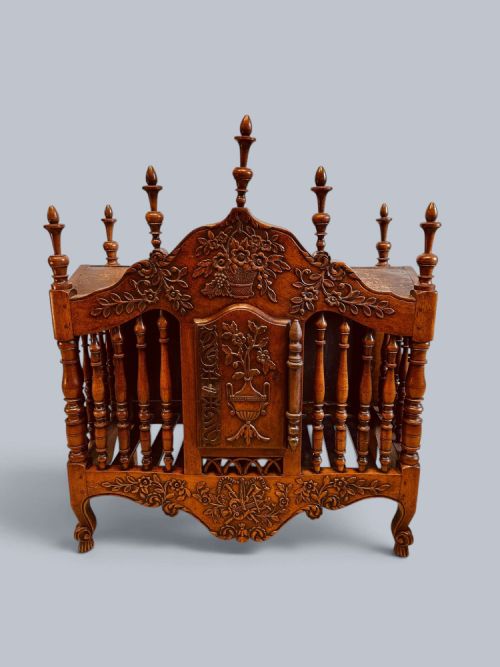
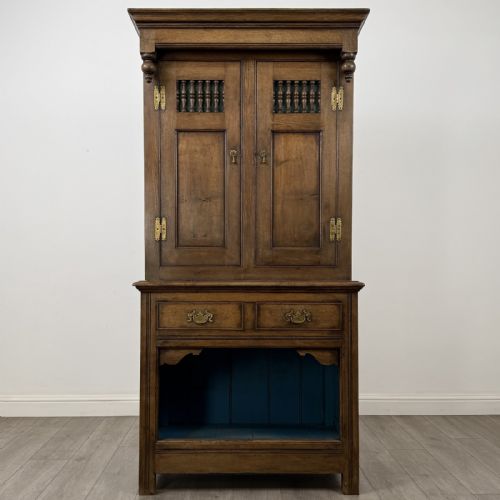
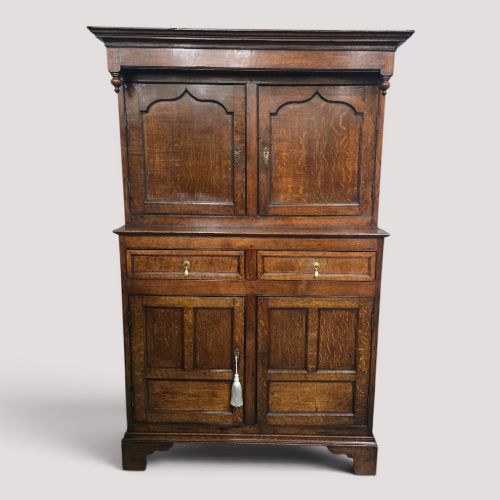
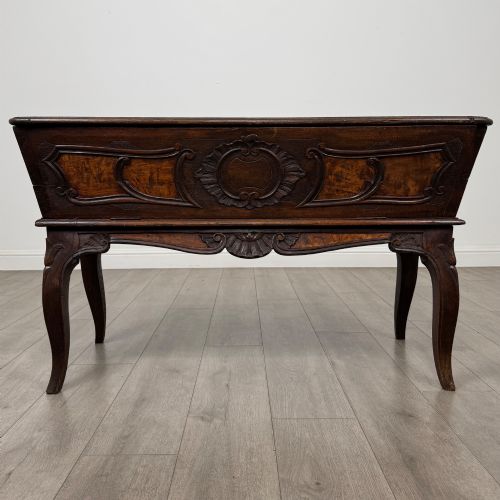
A carved wooden bread cupboard encompasses robust court cupboards, hanging wall cabinets, dough bins, and French panetières designed for grain and loaf storage. When you search for a carved wooden bread cupboard, you meet substantial English oak pieces from the seventeenth and eighteenth centuries alongside French walnut designs.
The English examples frequently appear as court cupboards showing heavy regional carving, while the continental pieces emerge as walnut panetières made specifically to store bread securely. These items cross multiple eras, from seventeenth-century joined examples through to nineteenth-century vernacular interpretations and early twentieth-century revivals.
Makers utilised timber vernaculars suited to domestic food preservation, ensuring ventilation and sturdy timber construction. You encounter diverse formats ranging from low wall-mounted cabinets to large floor-standing cupboards with original blacksmith ironwork.
Materials and construction methods
Makers constructed these storage pieces predominantly using native oak and walnut, supplemented by elm for structural durability. These timbers were joined using traditional frame-and-panel methods that allowed the wood to expand and contract naturally within domestic environments.
Iron and wrought iron provided functional support through hinges and locks forged by blacksmiths. Brass hardware also appears on specific refined examples, securing doors designed to protect provisions from pests while maintaining air circulation.
Carved Wooden Bread Cupboard Retail Price Guide 2026
Typical asking prices for carved wooden bread cupboard among the pieces listed under this phrase on Sellingantiques today, from the lower quarter to the upper quarter. They describe what is for sale here now, not the wider market.
Listings feature solid oak and walnut timbers combined with authentic wrought iron hardware.
Distinguishing quality in older storage furniture
Quality rests in the integrity of the timber selection and the crispness of the original carved details executed by hand. Superior examples display harmonious proportions and timber surfaces that have aged with untouched patination.
The presence of original blacksmith-made locks and hinges elevates an individual piece above later replacements. Structural honesty, such as traditional joined framing without modern structural shortcuts, defines the upper tier of surviving items.
The Carved Wooden Bread Cupboard Glossary
- Panetière
- A traditional French cabinet designed specifically for storing loaves of bread. These structures often feature turned spindles to allow air circulation.
- Court cupboard
- A heavy seventeenth or eighteenth-century English storage piece, typically featuring multiple tiers and carved ornamentation. They formed the status centre of traditional dining spaces.
- Dough bin
- A trough-like container used for proving bread dough before baking. Many surviving examples sit atop cabinet bases to form combined storage furniture.
- Vernacular
- Furniture built by local tradesmen using regional materials and traditional methods rather than following metropolitan fashion. These items reflect the direct needs of rural households.
- Joined construction
- A method of building furniture using mortise and tenon joints secured with wooden pegs. This technique provided immense strength before the widespread use of metal screws.
Carved Wooden Bread Cupboard: Frequently Asked Questions
What is a panetiere?
A panetière is a specialised French bread cabinet featuring spindle-turned sides for ventilation.
Rural households used them to protect daily loaves from rodents while letting air circulate.
How do I clean old oak?
Maintain antique oak surfaces using natural beeswax applied sparingly with a soft brush.
Avoid modern liquid polishes that strip the historic patination accumulated over centuries.
Where should I place it?
Position your cupboard away from direct heat sources and strong sunlight to prevent timber splitting.
Kitchens and dining rooms suit their original domestic function best.
Are original locks common?
Original blacksmith-made locks and hinges survive on select pieces but remain scarce overall.
Their presence indicates that the hardware has undergone minimal alteration since manufacture.