




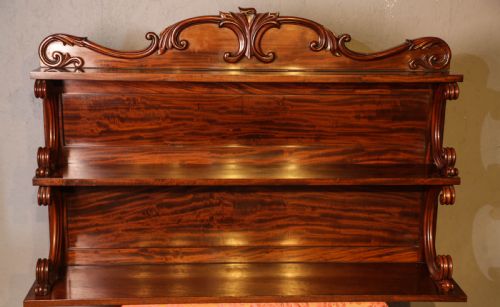


Carved Wood Wall Rack
These carved wood wall rack pieces bring practical utility and rich texture to an interior, offering functional storage shaped by hands from past centuries.
Carved Wood Wall Rack
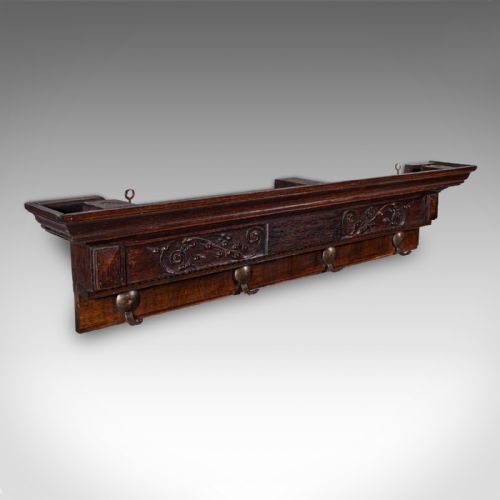
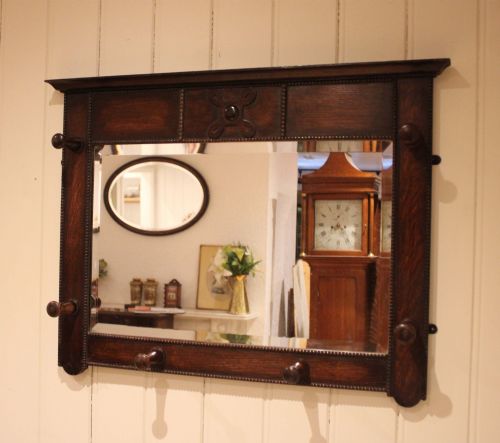
A carved wood wall rack serves as a practical organizational fitting designed to hold coats, hats, plates, or books while adding distinct period character to domestic spaces. When exploring this selection, buyers frequently encounter oak and mahogany examples spanning from the seventeenth century through the Edwardian period, encompassing functional cloakroom fittings and display units.
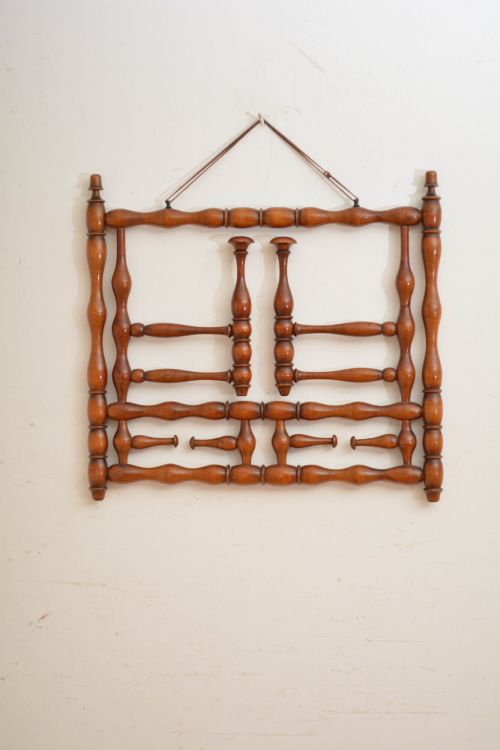
The diverse forms range from simple wooden hook boards and spoon racks to elaborate Black Forest animal carvings featuring horns and antlers. Wall shelves and plate racks also appear frequently among the listings, showing how utility merged with decorative woodcarving in country houses and town dwellings alike.
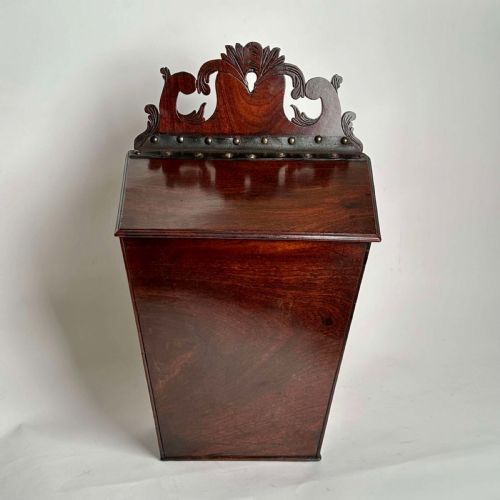
Origins stretch across English, French, and Swiss workshops, bringing varied regional aesthetics to the surface. Buyers meet everything from austere Georgian mahogany boxes to ornate Gothic Revival oak shelves and whimsical Swiss carved animal heads.
Materials and construction methods
Makers relied heavily on solid hardwoods like oak, mahogany, walnut, and beech, selecting each timber for its grain and structural strength. Carpenters joined structural members using traditional joinery methods, while carvers utilised linden wood and cherry wood for intricate sculptural elements.
Surface ornamentation combined hand chiselling with turned wooden components and applied brass or glass details. Antlers, horns, and pewter spoons were frequently incorporated into specific regional styles, particularly within the Black Forest tradition where natural forms met detailed woodwork.
Carved Wood Wall Rack Retail Price Guide 2026
Typical asking prices for carved wood wall rack among the pieces listed under this phrase on Sellingantiques today, from the lower quarter to the upper quarter. They describe what is for sale here now, not the wider market.
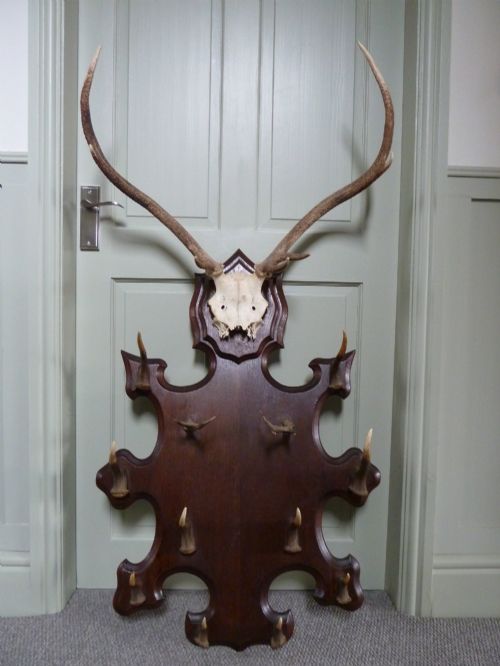
An eleven-point stag antler mount watches over the hallway from the Black Forest.
Distinctions in quality
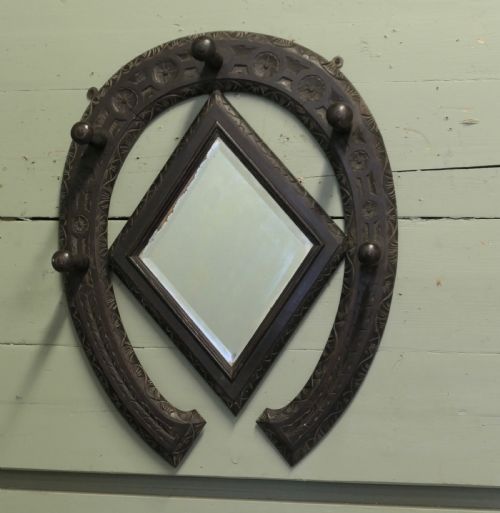
Proportion and timber selection dictate the upper tier of the range, where well-figured mahogany or richly patinated early oak display superior grain and colour. Original brass hooks, bevelled mirror plates, and intact structural mounts elevate an example above pieces with replaced hardware or altered fittings.
The Carved Wood Wall Rack Glossary
- Black Forest
- A nineteenth-century Swiss or German style known for deeply carved animal subjects, foliage, and naturalistic motifs utilising linden wood and antlers. This aesthetic often manifests in sculptural coat hooks and wall mirrors.
- Delft rack
- A wall-mounted wooden shelving unit specifically constructed with plate grooves and retaining rails to display ceramic plates and platters safely. These functional kitchen fittings date primarily to the eighteenth and nineteenth centuries.
- Gothic Revival
- An architectural and decorative style drawing inspiration from medieval design, featuring pointed arches, tracery, and heavy oak construction. Pieces in this style bring ecclesiastical solemnity to domestic wall storage.
- Trefid
- An early form of spoon characterised by a flattened, three-lobed terminal handle popular during the seventeenth and eighteenth centuries. These occasionally accompany antique spoon racks as period-correct ensembles.
- Fretwork
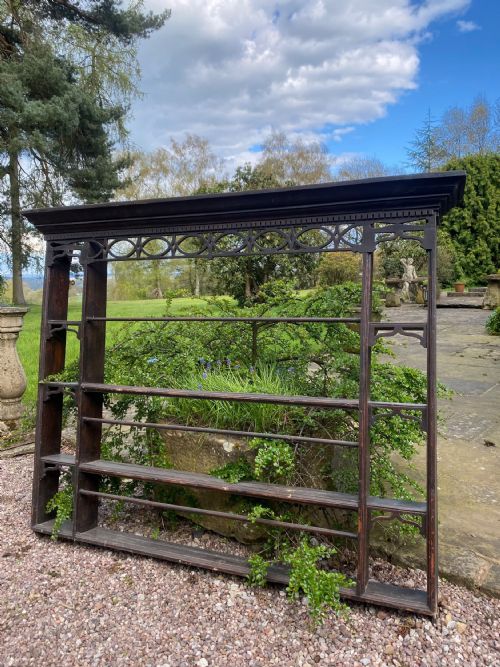
- Openwork ornamentation created by cutting intricate patterns through thin boards of wood, frequently seen in Chippendale style wall shelves. This technique adds delicate geometric lightness to otherwise solid timber structures.
Carved Wood Wall Rack: Frequently Asked Questions
How do I hang a heavy wooden wall rack safely?
Heavy carved timber pieces require sturdy wall fixings anchored directly into structural studs or masonry to support the combined weight of the wood and hanging items. Utilising the original mounting points or discreet internal brackets ensures the piece remains secure without disrupting the exterior appearance.
Distributing weight evenly across multiple fixing points prevents structural strain on antique joints over time.
Were these racks used in hallways or kitchens?
Placement depended entirely on the specific form, with hook boards and mirror-backed stands positioned in hallways and reception spaces for garments and hats. Plate racks and spoon holders found their natural home in kitchens and dining rooms to display everyday domestic wares.
Many versatile shelving units moved between sitting rooms and chambers depending on household needs.
How do I care for antique carved wooden surfaces?
Maintaining carved wood involves gentle dusting with a soft, dry brush to reach into deep recesses without disturbing the patina. Applying a minimal amount of quality beeswax periodically nourishes the dry timber and preserves the natural lustre of the grain.
Avoiding direct sunlight and excessive humidity protects the wood from warping or splitting over the decades.
How can I tell an older oak rack from a later copy?
Examining the construction marks reveals the age of the timber, as hand-sawn surfaces and traditional joinery differ significantly from modern machine-cut production. Natural oxidation, surface shrinkage, and consistent wear patterns around the hanging points indicate genuine antique age.
Iron or brass hardware hand-forged or cast in period styles further supports the dating of the piece.