



Carved Wood Lowboy
A carved wood lowboy is a small table with drawers, prized for both practical surface space and period character.
Carved Wood Lowboy
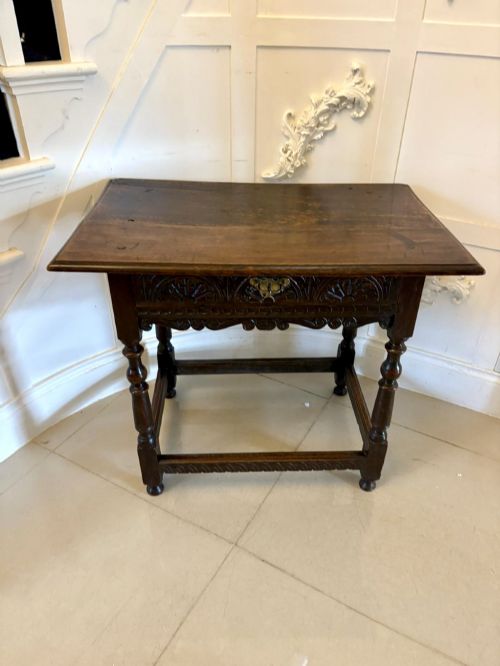
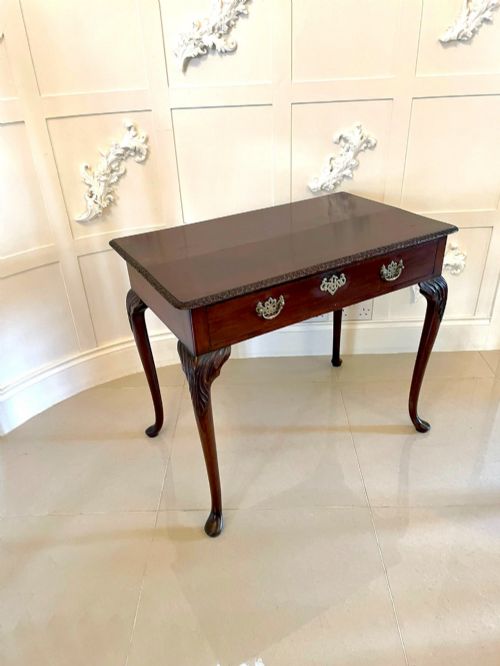
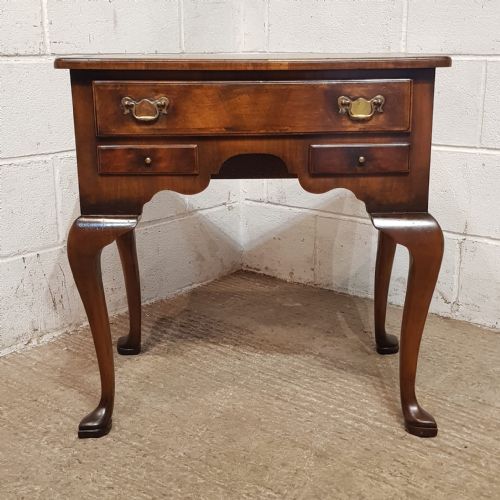
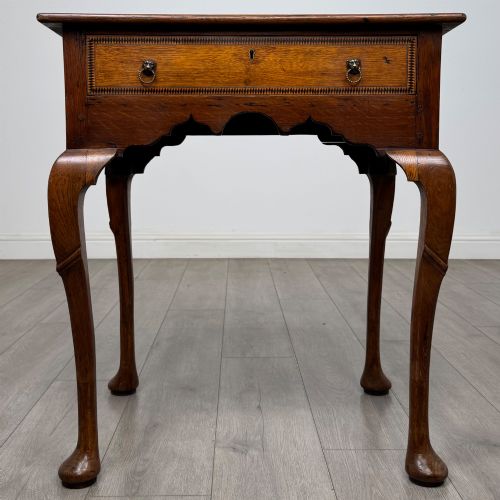
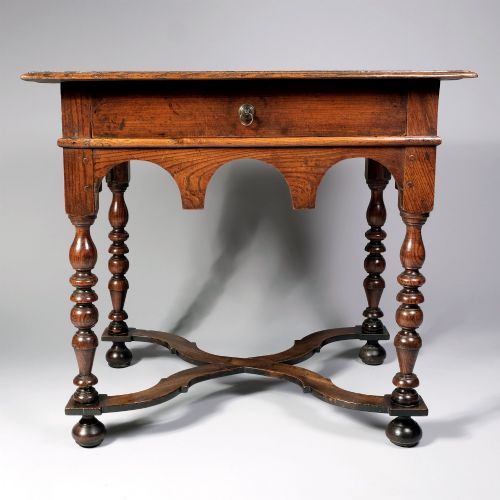
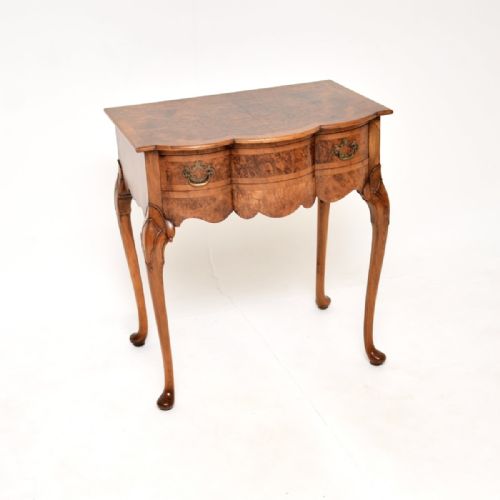
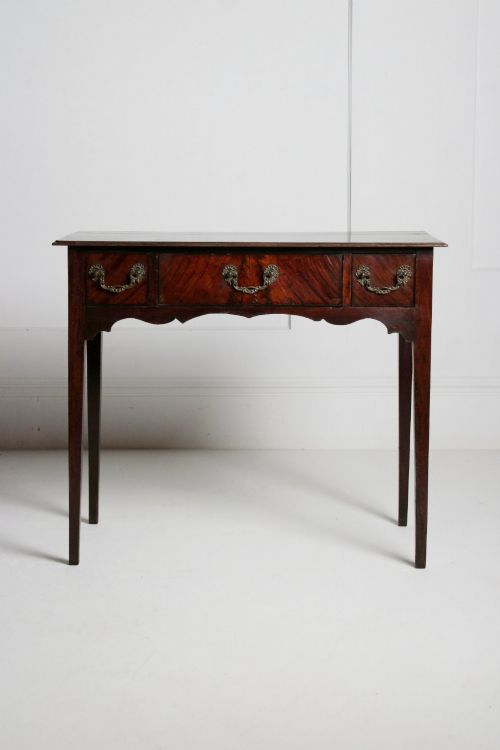
When searching for a carved wood lowboy, a buyer encounters compact tables designed originally for personal grooming or writing, featuring one or more drawers beneath the surface. The versions met most frequently on this page date from the seventeenth and eighteenth centuries, executed in oak, mahogany, or walnut.
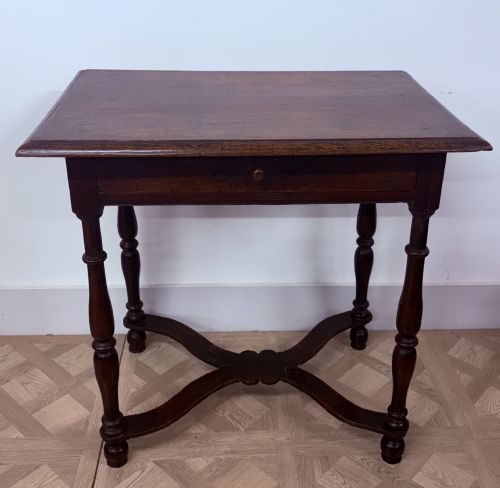
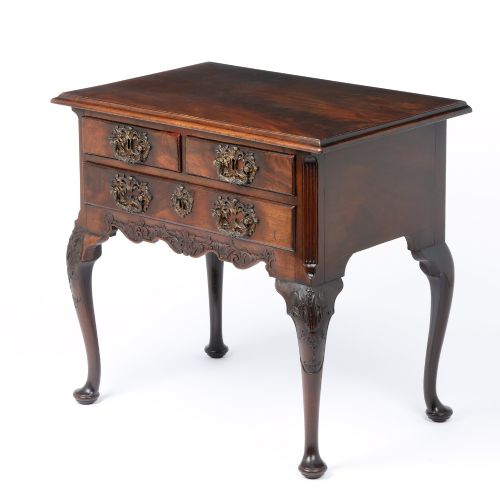
Makers of these pieces often incorporated cabriole legs, particularly during the Georgian and Queen Anne periods, though earlier examples from the seventeenth century display straighter, turned supports. Alongside traditional lowboys, the selection includes related forms such as dressing tables, side tables, and occasional tables that share similar proportions and function.
Origins stretch across the English tradition, spanning eras from William and Mary through to later revivals in the nineteenth and twentieth centuries. Each piece offers a surface for display alongside concealed storage, fitting easily into modern hallways, living rooms, or bedrooms.
Materials and Construction
Carpenters utilised dense domestic timbers like oak and elm in earlier centuries, transitioning to exotic hardwoods such as mahogany and burr walnut as trade expanded. These woods were selected for grain pattern and stability, allowing craftsmen to carve aprons, legs, and drawer fronts without compromising the structural integrity of the frame.
Construction relied on traditional joinery techniques, attaching legs to rails and securing drawer boxes with dovetailed joints to withstand daily use. Brass handles and escutcheons were fitted to the drawer faces, completing pieces designed to balance utility with decorative carving.
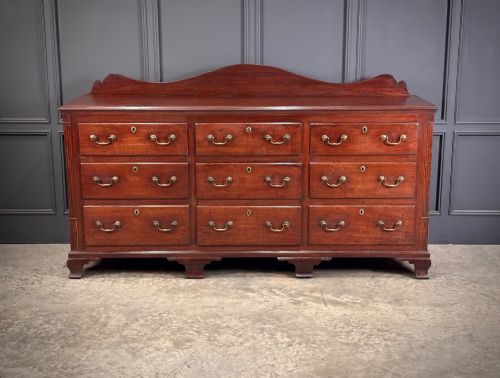
The selection includes related forms such as side tables, dressing tables, and dresser bases alongside traditional lowboys.
Assessing Quality
Quality rests upon the crispness of the carved details on the apron and knees, alongside the harmony of the proportions between the body and the legs. Pieces where the timber grain is matched deliberately across the drawer fronts demonstrate greater attention to design by the original maker.
The choice of primary wood and the survival of polished surfaces or patination separate standard examples from finer specimens. Integration of period brassware and minimal replacement of structural timber preserve the integrity that collectors value.
Elkington & Co·Muirhead Moffat & Co
The Carved Wood Lowboy Glossary
- Lowboy
- A small table with one or more rows of drawers, standing on relatively tall legs. This form originated in the late seventeenth century and served various domestic functions.
- Cabriole leg
- A furniture leg that curves out in a convex shape at the top and dips inward with a concave sweep below, ending in a pad, scroll, or claw foot.
- Burr walnut
- Timber taken from the wart-like growths on walnut trees, yielding intricate, swirling grain patterns highly prized for cabinet fronts and decorative surfaces.
- Dovetailed joint
- A method of joining two pieces of wood by interlocking wedge-shaped fingers, providing high tensile strength for drawer construction.
- Dresser base
- A long, low table with drawers, similar to a lowboy but generally larger in scale and originally utilised for food preparation or serving.
Carved Wood Lowboy: Frequently Asked Questions
What is a lowboy used for today?
A lowboy serves well as a compact hall table, a desk in a small study, or a dressing table in a bedroom. The surface accommodates lamps or decorative objects, while the drawers hold everyday items.
Because of their shallow depth, these tables fit easily into narrow spaces where standard furniture proves too bulky, bringing period character to smaller rooms.
Were lowboys always used as dressing tables?
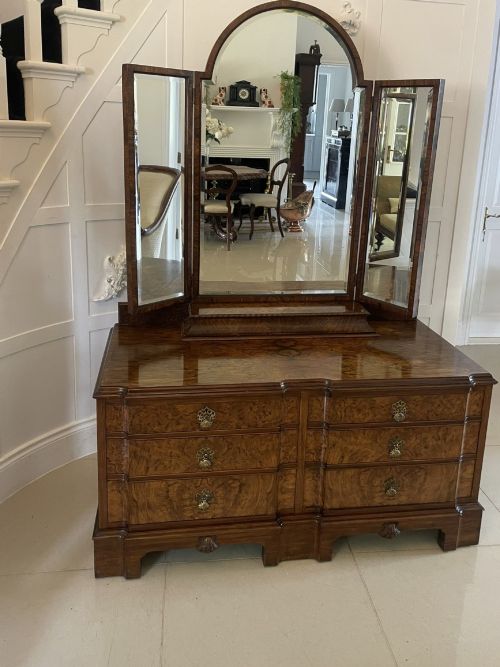
While many lowboys functioned as dressing tables with mirrors placed on top, others served as side tables in reception rooms for serving food or writing letters. The presence of drawers made them adaptable to whichever room required both a surface and concealed storage.
Makers tailored the ornamentation to the intended setting, applying more elaborate carving to pieces meant for public rooms.
How do I care for a historic wood surface?
Maintain the wood by applying quality beeswax periodically to nourish the grain and protect the finish from drying out. Avoid placing the table in direct sunlight or near heat sources to prevent timber splitting.
Use dry cloths for dusting and lift objects rather than sliding them across the top to preserve the polish and patination accumulated over centuries.