
Carved Wood Lamp
These carved wood lamp pieces bring texture and warmth to a room, turning practical lighting into a focal point.
Carved Wood Lamp
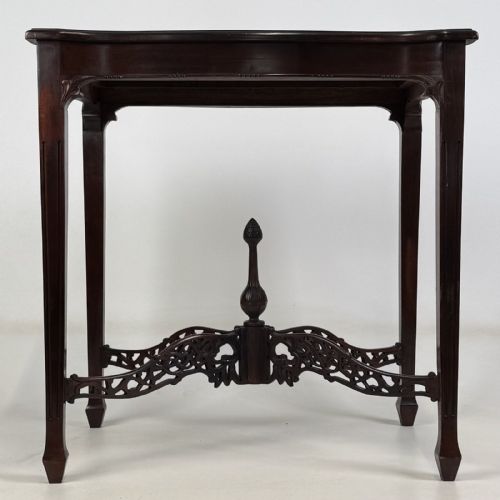
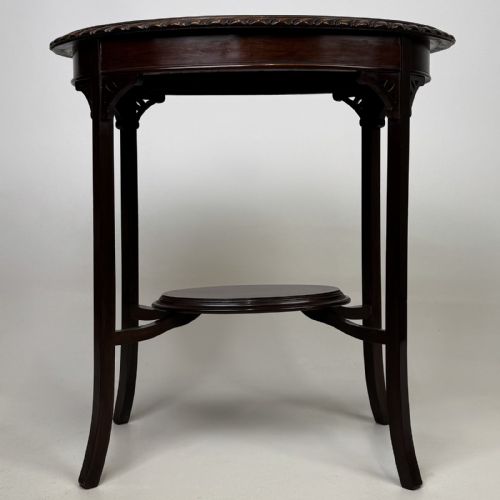
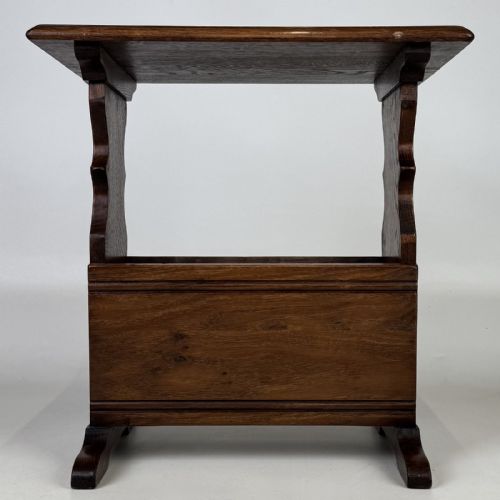
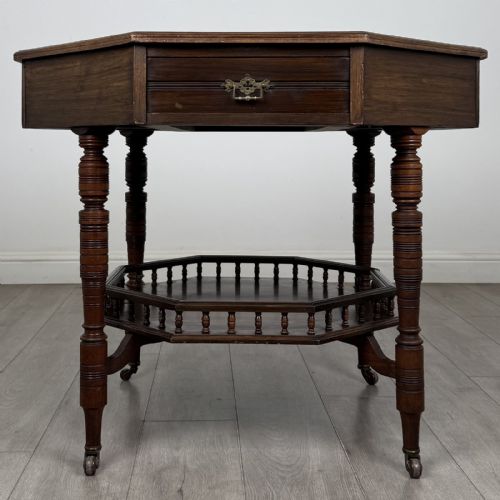
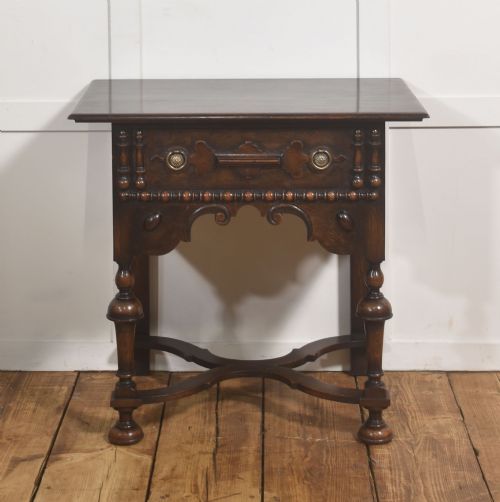
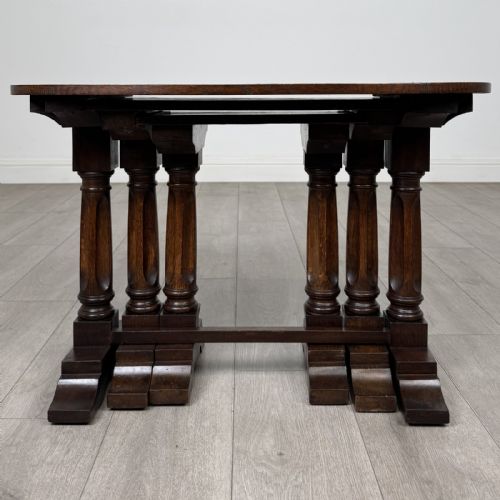
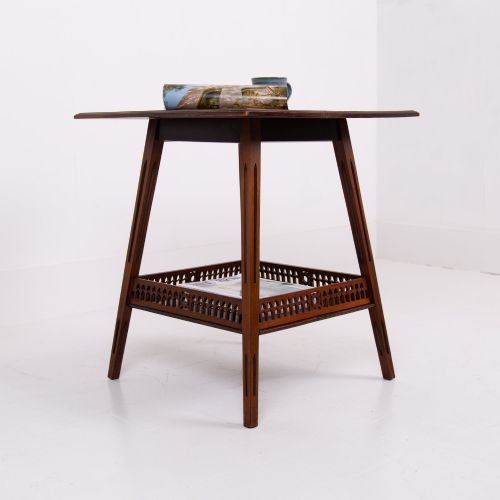
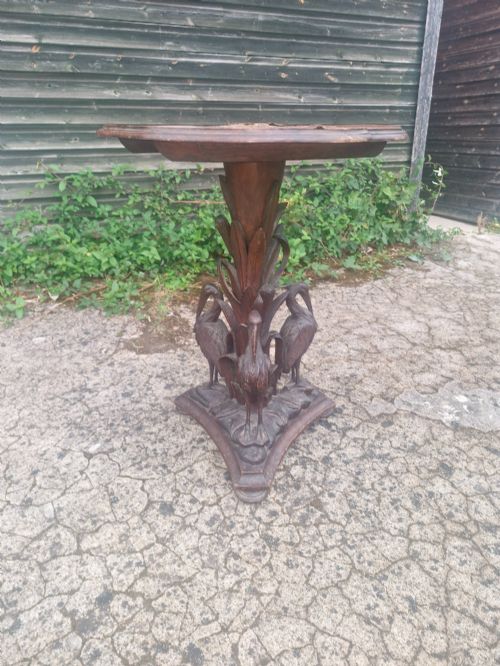
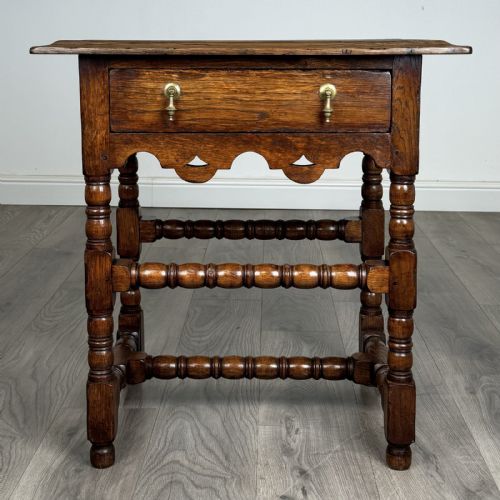
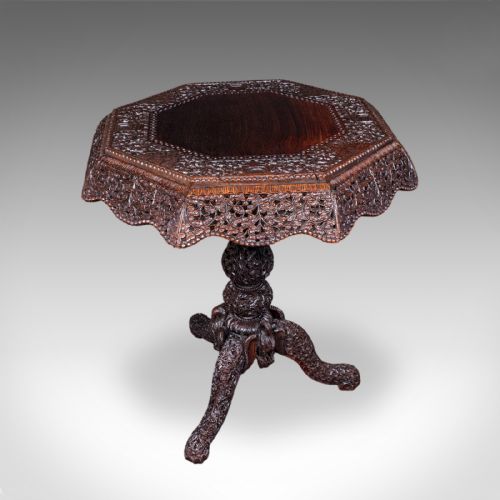
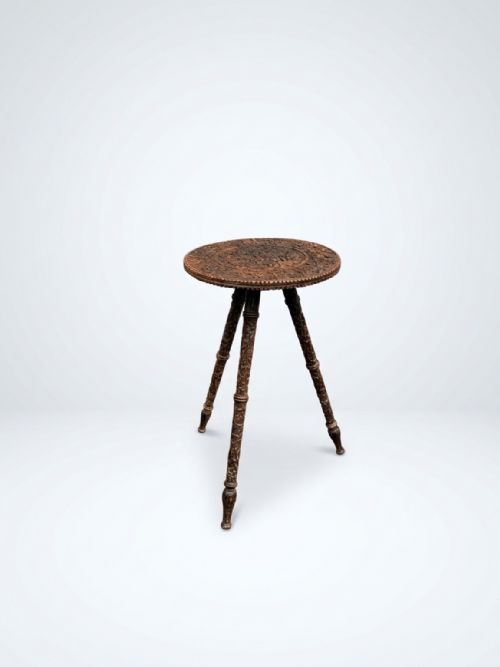
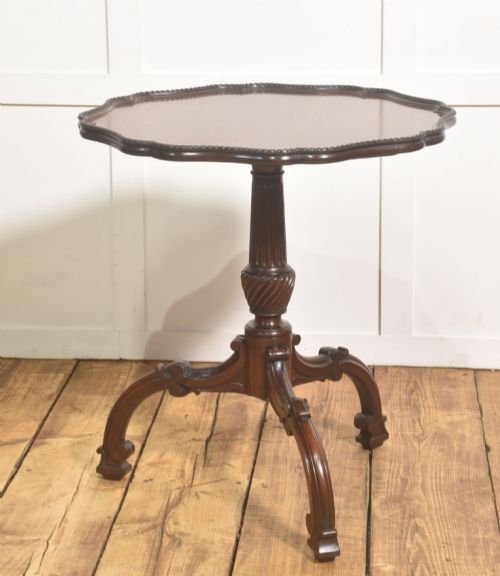
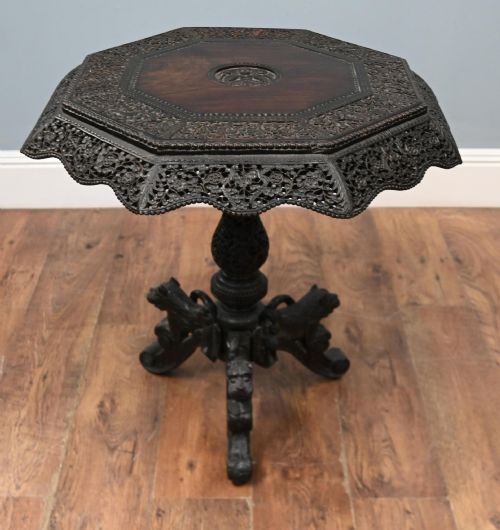
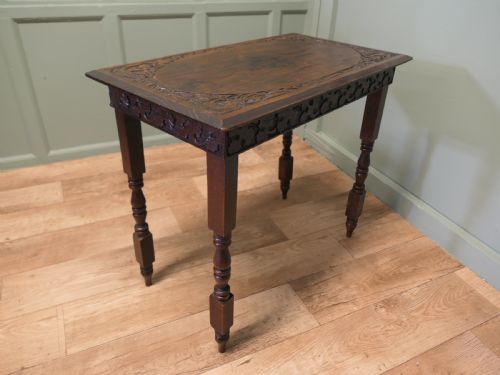
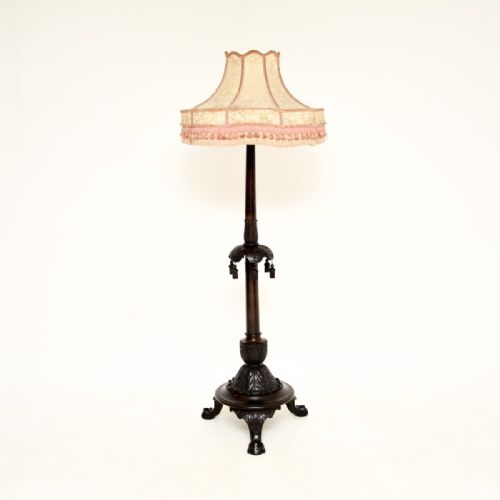
A carved wood lamp combines functional illumination with sculptural woodwork, appearing most often on this page as table lamps, floor lamps, torchere stands, and occasional tables designated for lamp use.
Makers shaped these items across the Victorian, Edwardian, and nineteenth-century periods, utilising various timbers to support lighting in domestic interiors.
The selection ranges from tripod tables and occasional stands to dedicated lamp standards in mahogany, oak, walnut, rosewood, and teak.
How they were made
Craftsmen shaped these pieces using solid timbers like mahogany, oak, walnut, and teak, often applying detailed hand-carving directly to the wood.
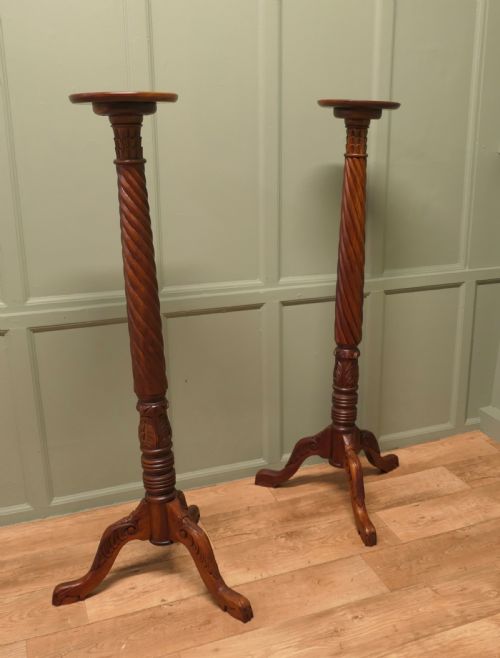
Structures incorporate turned legs, barley twist supports, tripod bases, and gadrooned edges, occasionally paired with brass fittings or fabric components.
A Japanese brush pot found a second career holding electrical wiring, proving old scholars' tools make surprisingly tall lamp standards.
What varies in quality
Quality shows in the depth and crispness of the hand-carving across the wood, distinguishing standard production from finer workmanship.
The choice of timber and stability of the construction, from tripod bases to heavy torchere stands, define the better examples in the range.
James Shoolbred·Trevor Page & Co
The Carved Wood Lamp Glossary
- Torchere
- A tall stand designed to hold a light or candle, often featuring carved wooden shafts and tripod bases.
- Tripod table
- A small freestanding table supported by three legs, frequently utilised to hold a lamp.
- Gadrooned edge
- A decorative carved border pattern resembling inverted fluting or reed curves, seen on table rims.
- Barley twist
- A spiral turning technique applied to wooden table legs and lamp stems during the Victorian period.
Carved Wood Lamp: Frequently Asked Questions
What is a torchere lamp stand?
A torchere is a tall stand designed specifically to hold a light source or decorative urn above floor level. These pieces elevate illumination within a room.
They appear in nineteenth-century styles with carved wooden shafts and supportive bases.
Where should I place an occasional lamp table?
Occasional tables suit corners, beside seating, or alongside desks to hold table lamps and small items. Their compact footprints make them versatile for various room layouts.
Many feature tripod legs or storage shelves underneath.
How do I date an Edwardian carved lamp table?
Edwardian pieces often display lighter timbers like mahogany or oak with restrained carving styles. They sit alongside items from the 1900 to 1920 decade range.
Construction details and traditional joinery help distinguish them from later reproductions.
What timbers were used for these lamp pieces?
Makers utilised dense hardwoods such as mahogany, oak, walnut, rosewood, and teak. Burmese and colonial items frequently employed teak and hardwoods.
Some tables also incorporate brass details or burr wood veneers on the top surfaces.