







Carved Wood Lacquer Stands
These carved wood lacquer stands bring centuries of Asian and British craftsmanship into a room to elevate your display pieces.
Carved Wood Lacquer Stands
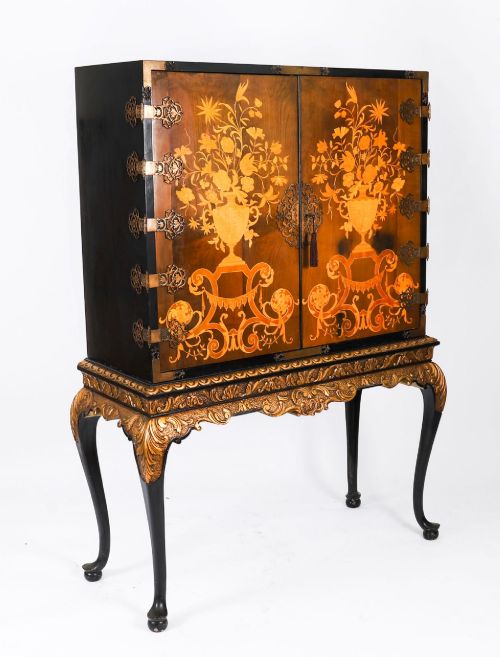
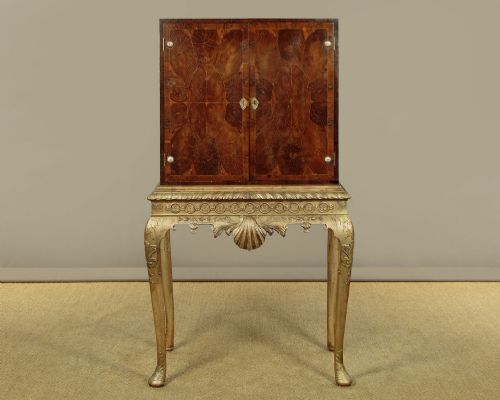
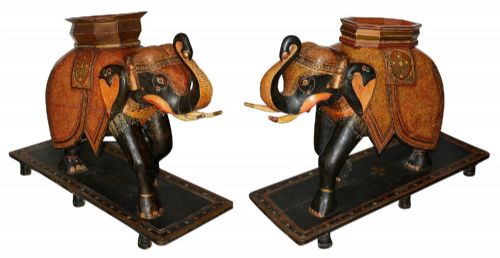
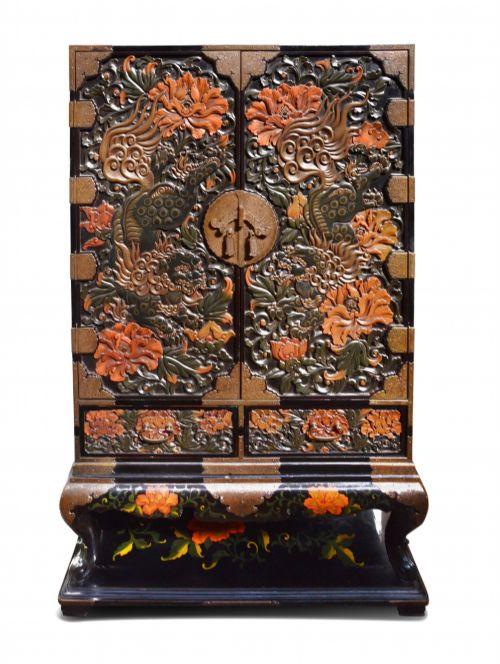
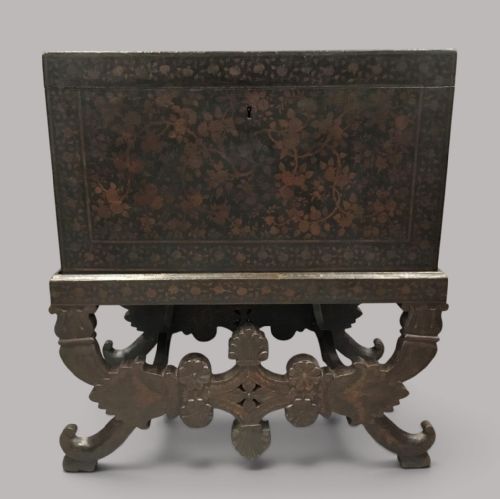
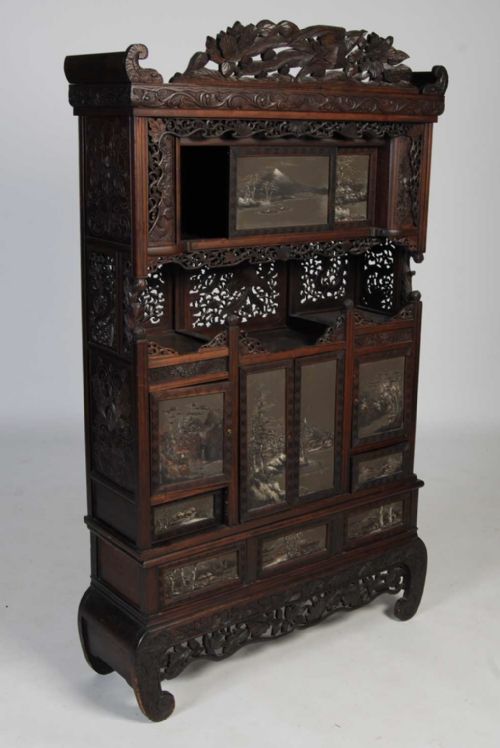
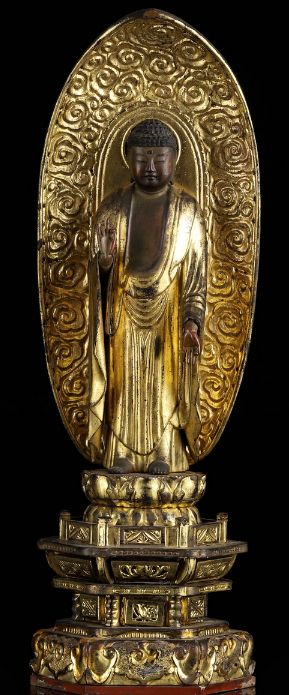
Carved wood lacquer stands encompass a diverse group of elevated furnishings and display pieces created across the nineteenth and twentieth centuries. When searching for carved wood lacquer stands, you encounter everything from plant pedestals and vase holders to elaborate cabinets raised on frames.
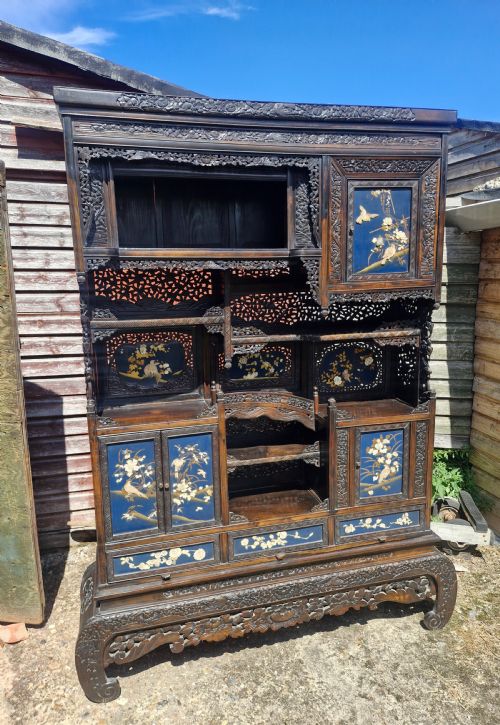
The selections span distinct stylistic traditions including Japanese Meiji period works, Chinese Qing dynasty pieces, Anglo-Indian trunks on stands, and British Victorian or Edwardian interpretations such as Chinoiserie cabinets. These items serve both functional and decorative purposes, designed originally to showcase treasured objects or hold textiles.
You are most likely to meet plant stands, side tables, and cabinets on stands originating from the late nineteenth century or the decades leading up to nineteen thirty. The forms range from compact rootwood tables to large lacquered robe stands and cocktail cabinets.
Materials and construction methods
The foundation of these pieces relies on sturdy timber, including hardwoods, rootwood, and carved wood, which provides structural integrity for the raised forms. Artisans then applied layers of lacquer to the wooden substrates, building a smooth surface capable of receiving intricate carving or painting.
Decoration often incorporates brass fittings, mother of pearl inlay, and gold leaf applications to accentuate the carved details and lacquer grounds. Some pieces utilise cinnabar lacquer or rich colour palettes such as green, red, and black to achieve their decorative impact.
Carved Wood Lacquer Stands Retail Price Guide 2026
Typical asking prices for carved wood lacquer stands among the pieces listed under this phrase on Sellingantiques today, from the lower quarter to the upper quarter. They describe what is for sale here now, not the wider market.
Listings feature items spanning the nineteenth century, Victorian era, Edwardian period, and up to nineteen thirty, incorporating materials such as brass, mother of pearl, and gold leaf.
Distinctions in quality and execution
The superiority of a piece rests upon the depth and precision of the wood carving alongside the stability of the lacquer layers. Finer examples display meticulous attention to detail in figural motifs or floral panels, where the interface between the wooden core and the surface finish remains seamless.
Proportion and structural design also dictate the tier of an object, distinguishing sturdy architectural stands from simpler utility pieces. The integration of supplementary materials like mother of pearl or gilding separates standard production from exceptional craftsmanship.
The Carved Wood Lacquer Stands Glossary
- Lacquer
- A durable resin finish applied in multiple coats to wood surfaces, yielding a smooth, protective, and often glossy exterior. This technique has a long history across Asian decorative arts.
- Shodana
- A traditional Japanese tiered display cabinet featuring asymmetrical shelving and small cupboards, frequently produced during the Meiji period. These cabinets showcase complex joinery and decorative panels.
- Cinnabar
- A bright red mineral form of mercurial sulphide used to colour lacquer, which is then carved deeply when dry. Cinnabar lacquer requires patience and skill due to the thickness of the layered material.
- Chinoiserie
- The European interpretation and imitation of Chinese and East Asian artistic traditions, popular in various revival periods. This style appears frequently on British furniture stands from the nineteenth and twentieth centuries.
- Rootwood
- Timber fashioned from the root systems of trees, selected for its natural gnarled shapes and interesting grain patterns. Artisans use rootwood to create organic, rustic tables and stands.
Carved Wood Lacquer Stands: Frequently Asked Questions
What is a cabinet on stand?
A cabinet on stand is a two-part furniture form where an enclosed storage box or display cabinet rests upon a separate supporting frame with legs. This design elevates the main body to make viewing and access easier.
Such pieces often combine substantial storage capacity with a lighter visual footprint thanks to the open structure of the underlying stand.
How do I identify Meiji period pieces?
Meiji period items date from eighteen sixty-eight to nineteen twelve, coinciding with the reign of Emperor Meiji in Japan. They typically exhibit exceptional technical mastery in carving, lacquerwork, or inlay.
Look for refined decorative motifs, signature panels, and traditional forms like shodana cabinets that reflect this specific era of opening Japanese craftsmanship to the West.
Where should I place a plant stand?
Plant stands and pedestals work well in corners or beside seating where they can elevate greenery to eye level. Their compact footprints allow them to fit into tighter spaces without overwhelming a room.
Ensure the surface receives adequate light for your plants while protecting the lacquer finish from moisture by using saucers.
What defines Anglo-Indian furniture?
Anglo-Indian pieces are items made in India by local craftsmen for British colonial residents, combining British furniture forms with traditional Indian materials and carving techniques. These often include chests, trunks on stands, and tables.
The resulting objects frequently display dense floral carvings and rich surface treatments that distinguish them from standard domestic British production.