

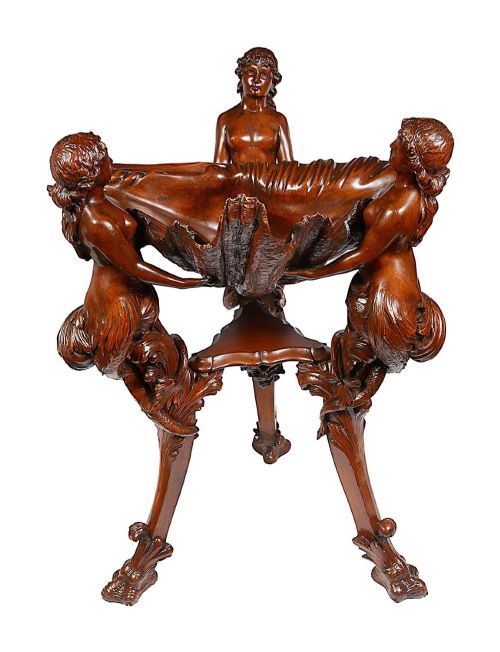
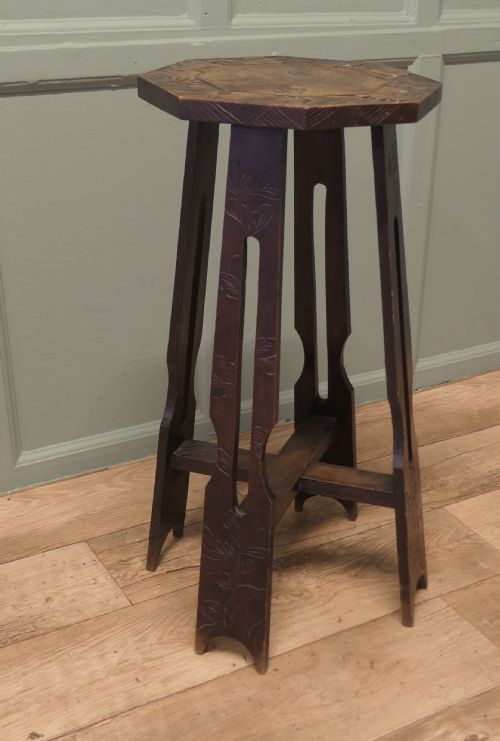
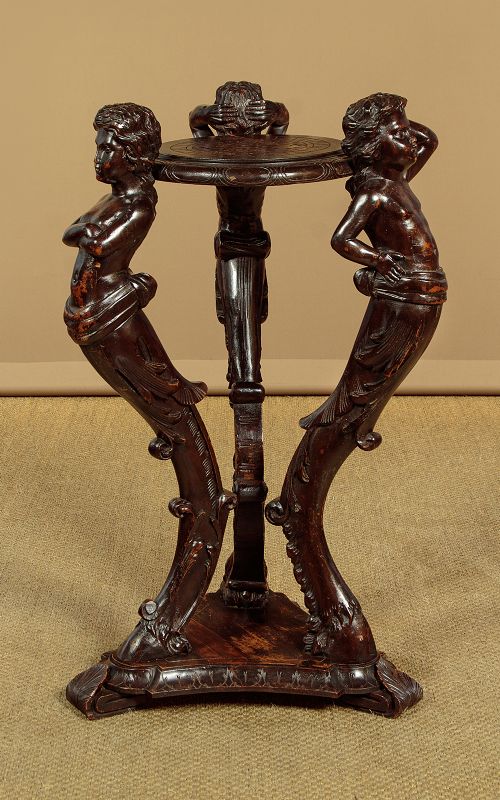

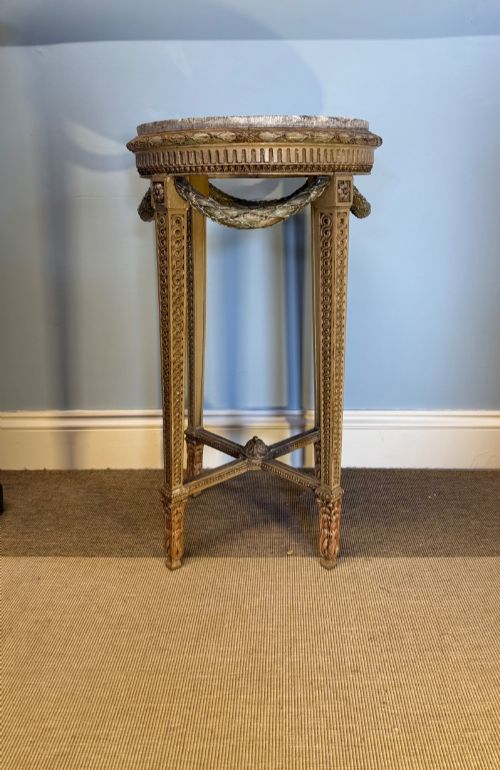
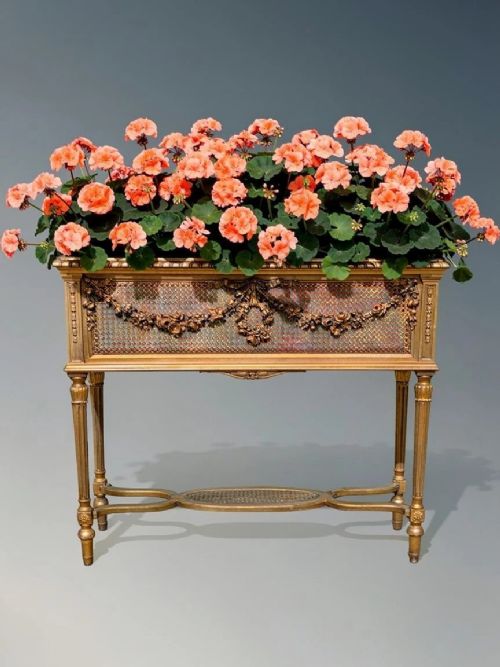

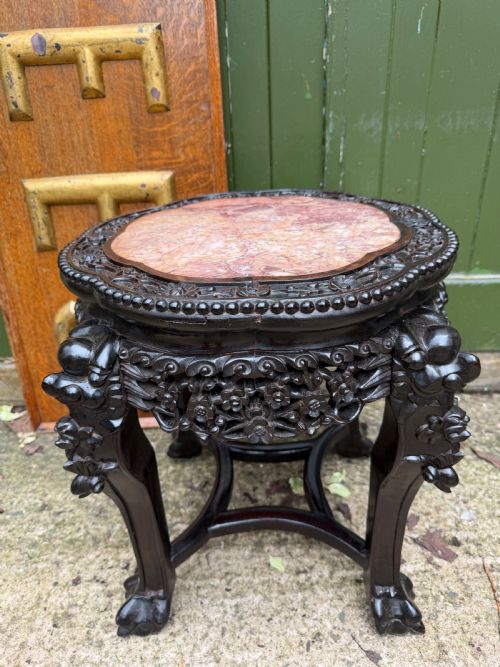
Carved Wood Jardiniere Stand
These carved wood jardiniere stand examples support heavy planters and urns, bringing botanical display and sculptural form into period interiors.
Carved Wood Jardiniere Stand
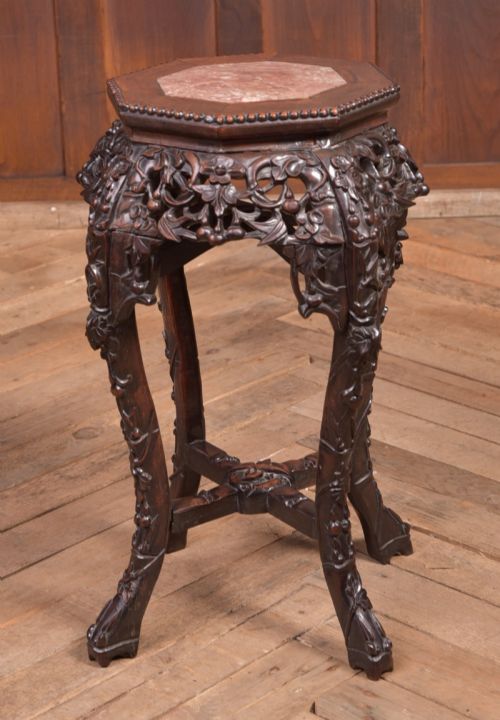
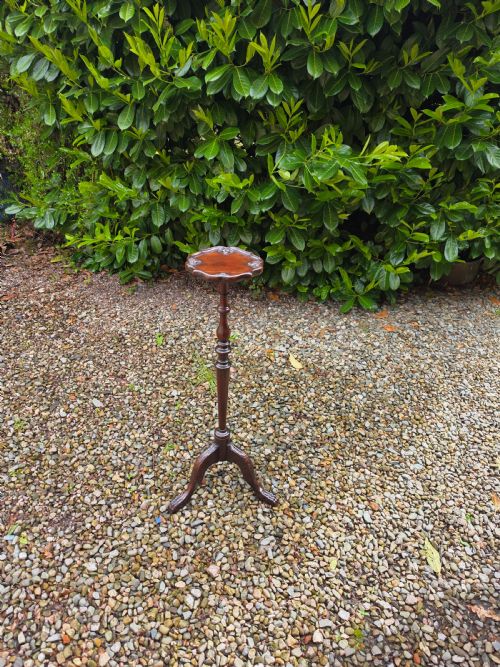
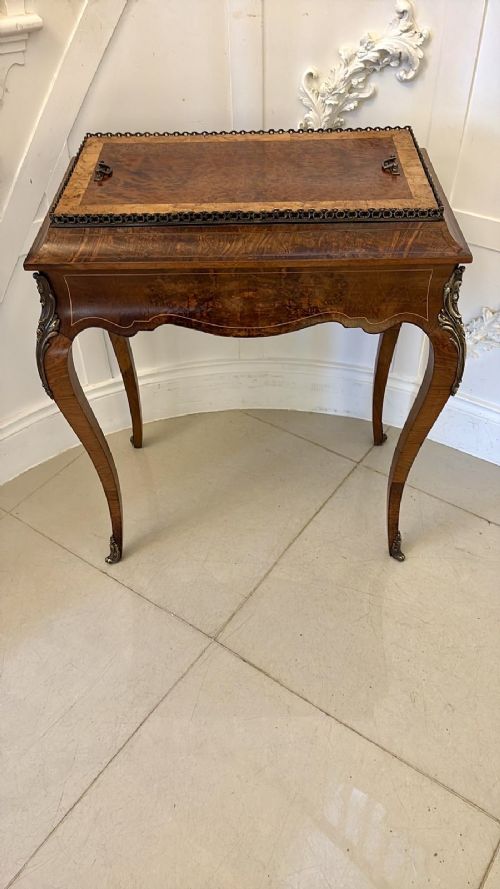
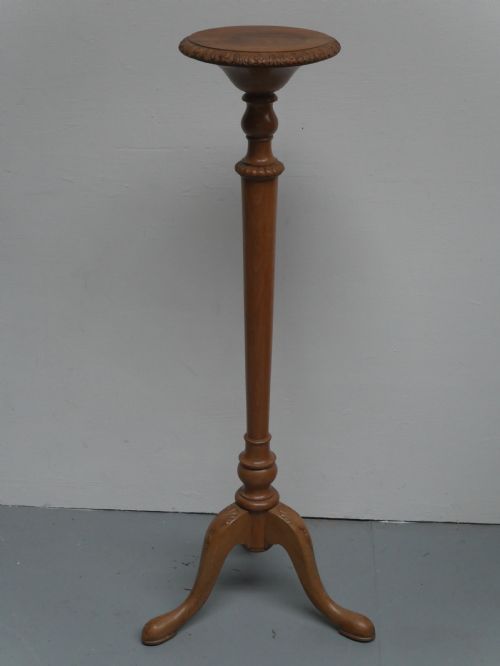
A carved wood jardiniere stand provides an elevated platform for plants, vases, and decorative urns within a room. When searching this phrase, a buyer encounters pedestal tables, torchieres, and low display surfaces designed specifically to hold greenery.
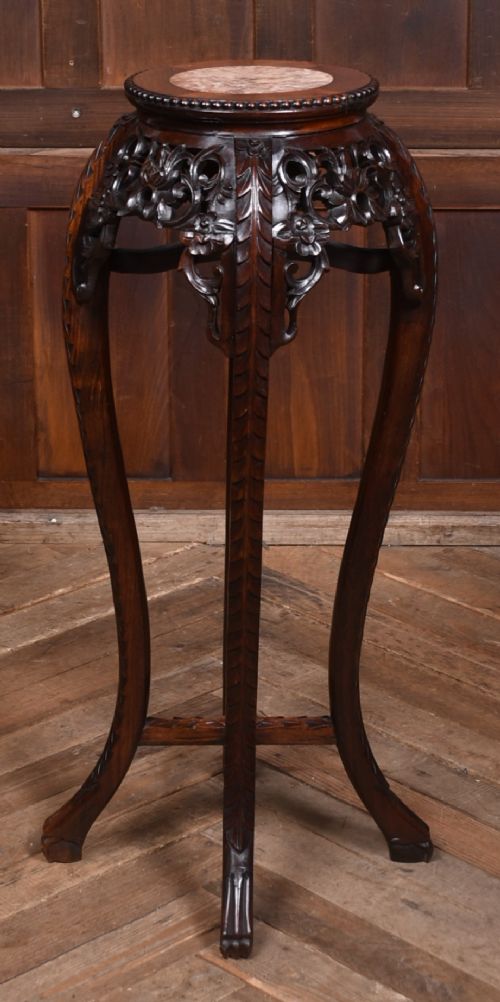
The selections span the nineteenth century through the Edwardian era, incorporating Victorian and continental influences alongside prominent Asian export pieces. Hardwood examples featuring inset marble tops appear frequently across the available inventory.
Forms range from tall columnar pedestals to low tripod bases and occasional tables. These items function equally well as plant supports, lamp tables, or independent architectural accents.
How they were made
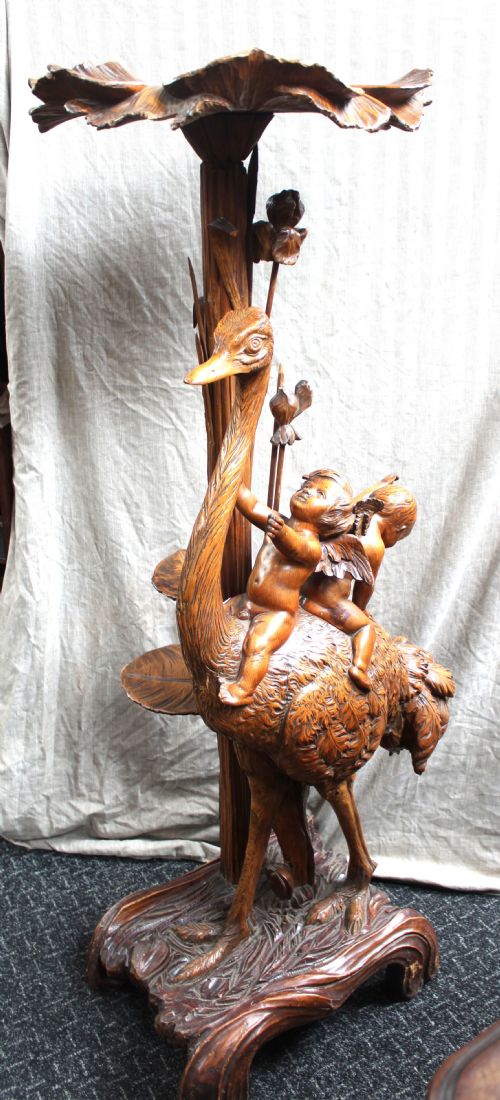
Carpenters utilised dense timbers including mahogany, walnut, rosewood, padouk, and general hardwood to ensure structural stability under heavy loads. Artisans carved intricate botanical and geometric motifs directly into the timber frame.
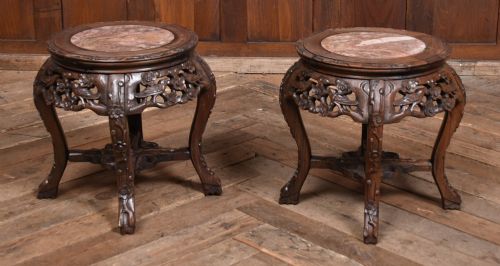
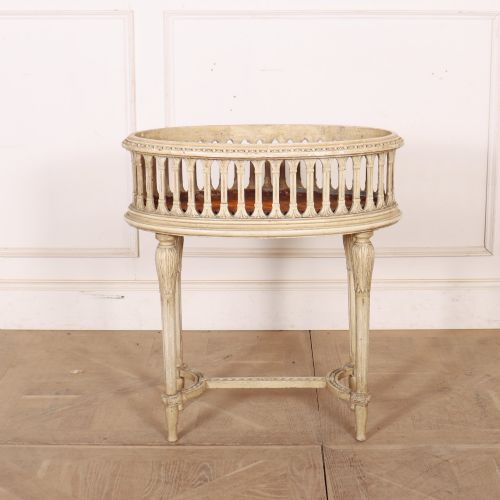
Many Eastern and European tables incorporate inset variegated marble or rouge marble panels to support damp flower pots without damaging the wood beneath. Surface finishes include painted treatments, ebonised coatings, gilding, and clear polish to reveal the natural grain.
Carved Wood Jardiniere Stand Retail Price Guide 2026
Typical asking prices for carved wood jardiniere stand among the pieces listed under this phrase on Sellingantiques today, from the lower quarter to the upper quarter. They describe what is for sale here now, not the wider market.
Several stands double as wine tables, proving that Victorian botanists and casual hosts shared identical taste in furniture.
What varies in quality
Construction standards depend upon the density of the chosen timber and the depth of the hand carving. Pieces featuring dense padouk or hongmu with crisp, undercut floral relief represent superior craftsmanship compared to softer woods with shallow detailing.
The integration of the inset marble top dictates overall refinement, where tight joints and unblemished stone indicate higher production standards. Structural integrity in the legs and tripod bases ensures the tall frames remain stable when bearing weight.
Liberty and Co
The Carved Wood Jardiniere Stand Glossary
- Jardiniere
- A decorative container or stand for holding plants and flowers. These receptacles sit atop pedestals or function as standalone planter tables.
- Torchiere
- A tall stand or pedestal originally designed to support a light source but commonly adapted for plant and vase display. The slender shaft terminates in a stable base.
- Padouk
- A heavy, durable tropical hardwood prized for its rich colour and resistance to wear. Cabinetmakers utilised this timber for intricate carved furniture and stands.
- Hongmu
- A traditional Chinese term for dense hardwoods used in fine furniture production. These heavy timbers take crisp hand-carved details exceptionally well.
- Giltwood
- Timber treated with gold leaf or gold paint applied to the surface. This finish adds bright decorative detail to European stands and frames.
Carved Wood Jardiniere Stand: Frequently Asked Questions
What is a jardiniere stand used for?
A jardiniere stand elevates potted plants, flowers, and heavy vases to improve room sightlines and protect flooring from moisture.
They function as decorative plant pedestals, lamp tables, or torchieres in living spaces and hallways.
How do I identify a Chinese export stand?
Chinese export stands frequently feature dense hardwoods such as padouk, rosewood, or hongmu paired with inset marble tops. The carved decoration often incorporates traditional floral, prunus, or dragon motifs.
These pieces date primarily from the nineteenth century and early twentieth century.
Are marble top stands suitable for plants?
Marble tops provide a durable, water-resistant surface that withstands damp soil and condensation from potted plants.
This stone insert protects the underlying wooden structure from water damage during routine watering.