





Carved Wood Hook
These carved wood hook pieces are tactile domestic fixtures, prized for their sculptural detail and practical utility in hallways and boot rooms.
Carved Wood Hook
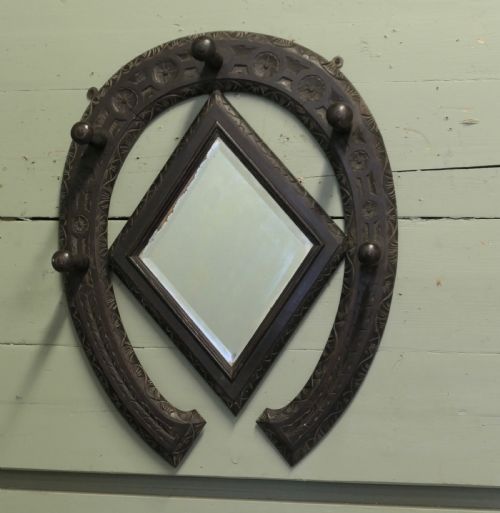
When you search for a carved wood hook, you find wall-mounted fixtures designed for hanging garments, hats, and keys in domestic spaces. The selection spans single mounts and multi-hook racks, often integrated into hall stands, wall mirrors, and small cabinets.
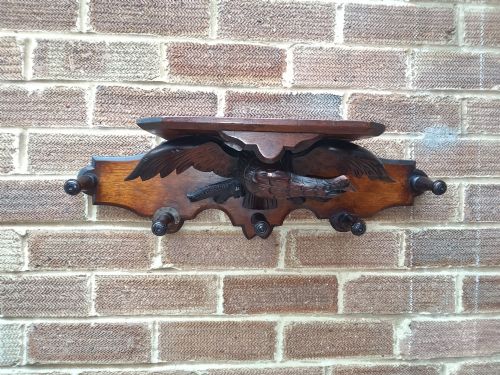
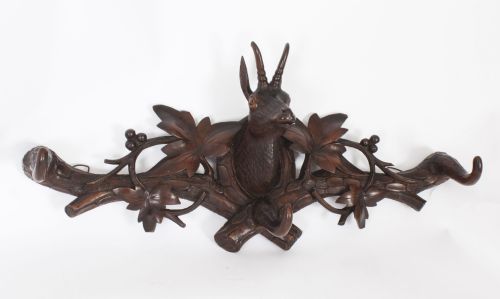
The version you are most likely to meet on this page originates from the Victorian and Edwardian periods, frequently executed in the Black Forest style. These items combine utilitarian function with elaborate animal carvings, including deer, chamois, foxes, and eagles.
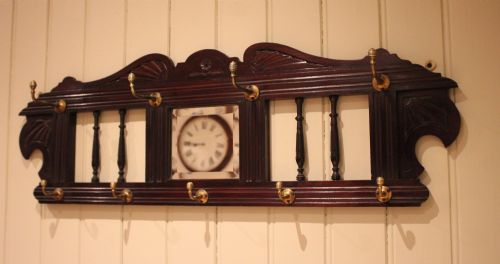
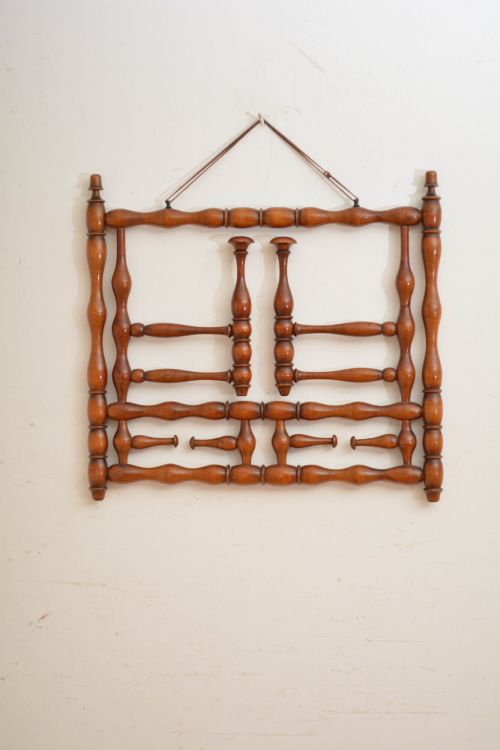
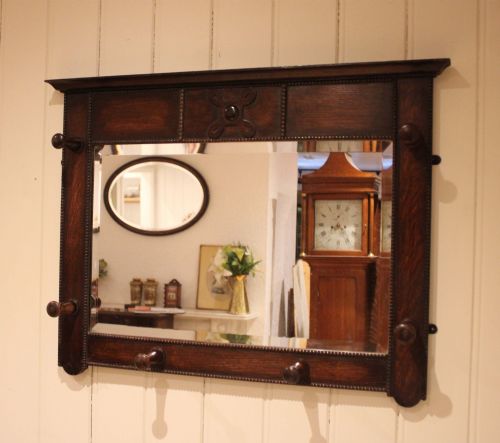
Beyond animal subjects, the evidence shows simpler architectural forms in oak and mahogany, alongside rustic country pieces utilising horn and linden wood. They serve equally today in modern hallways as they did in nineteenth-century country houses and reception valets.
How they were made
Makers shaped these objects primarily from hardwoods such as oak, mahogany, walnut, and linden wood, frequently pairing the carved timber with brass hardware, glass elements, or animal horn. Linden wood proved particularly favoured in Black Forest workshops for its fine grain, which allowed carvers to execute deep, realistic fur, feathers, and facial expressions.
Joinery methods varied according to the object type, ranging from wall-mounted single hooks fixed to backplates to substantial hall stands incorporating mirrors and umbrella trays. Surface finishes relied on hand-applied polishes and waxes that developed rich patination over decades of domestic handling.
Carved Wood Hook Retail Price Guide 2026
Typical asking prices for carved wood hook among the pieces listed under this phrase on Sellingantiques today, from the lower quarter to the upper quarter. They describe what is for sale here now, not the wider market.
Listings on this site frequently feature 19th Century Black Forest animal carvings alongside Edwardian oak and mahogany hall racks.
What varies in quality
The distinction between ordinary and superior examples lies entirely in the ambition and execution of the carving. Master carvers achieved anatomical precision and lively expression in animal subjects like stag heads, foxes, and birds, whereas lesser pieces display stiff, formulaic detailing.
The Carved Wood Hook Glossary
- Black Forest
- A style of wood carving originating from the mountainous regions of Central Europe during the nineteenth century. It is instantly recognised by realistic animal subjects and deep relief foliage.
- Hall Stand
- A substantial hallway item combining coat hooks, a mirror, and umbrella storage. These often feature carved wooden panels and brass or iron hooks.
- Linden Wood
- A pale, close-grained timber heavily utilised by nineteenth-century carvers. Its soft yet stable nature permits intricate undercut foliage and animal forms.
- Patination
- The surface sheen and darkening acquired by wood and metal through age and handling. Good patination indicates decades of legitimate use.
- Reception Valet
- A domestic wall fixture designed for guests to deposit hats, coats, and small accessories. They frequently incorporate multiple wooden or brass hooks.
Carved Wood Hook: Frequently Asked Questions
How do I hang a heavy coat on an antique carved hook?
Ensure the backplate is secured directly into wall studs or uses appropriate masonry fixings rather than plaster alone. The historical wood and mounting points need solid structural support to bear the weight of heavy winter garments.
Distribute garments evenly across multi-hook racks to prevent undue stress on the central joints. Single protruding animal head hooks are best reserved for lighter hats, scarves, or keys.
Where were these hooks typically placed in a Victorian home?
They were mounted primarily in entrance halls, boot rooms, and corridors to receive outdoor clothing from residents and visitors. Hall stands combining mirrors and hooks sat directly inside the front door for a final check of attire before departure.
Smaller variants also appeared in bedrooms, cloakrooms, and specialist spaces like bathrooms or shaving rooms. Their placement combined immediate practical access with decorative display.
How do I clean and maintain carved wooden hooks?
Dust the intricate recesses regularly with a soft-bristled brush to prevent particulate buildup in the carved details. Avoid modern silicone polishes, which attract dust and build up an artificial film over the timber.
Apply a microcrystalline wax sparingly once or twice a year to nourish the wood and preserve its natural sheen. Keep the pieces away from direct heat sources to prevent the timber from splitting.
How can I tell a Black Forest piece apart from other styles?
Look for deeply undercut foliage, naturalistic animal subjects, and dynamic compositions involving creatures like stags, foxes, and birds. The carvers utilised linden wood and walnut to achieve high sculptural relief that stands distinct from flat geometric mouldings.
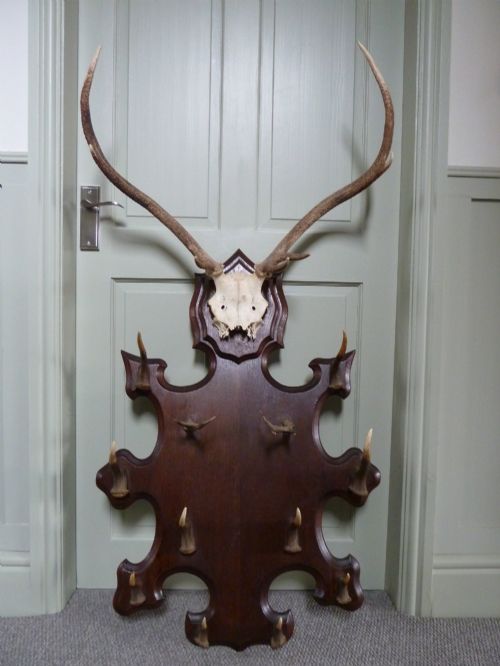
Swiss and South German workshops produced the vast majority of these items during the nineteenth century. They often integrated organic materials such as deer antlers and animal horns directly into the wooden framework.