
Carved Wood French Chairs
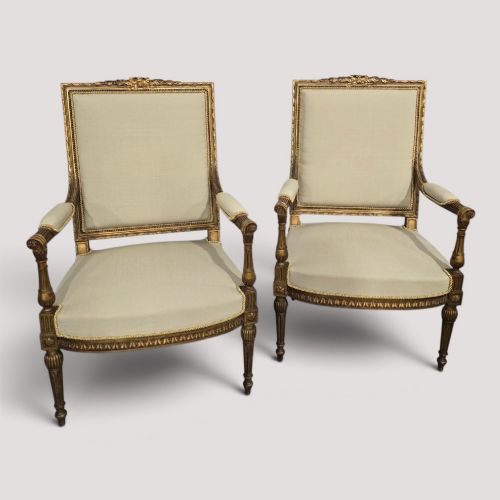
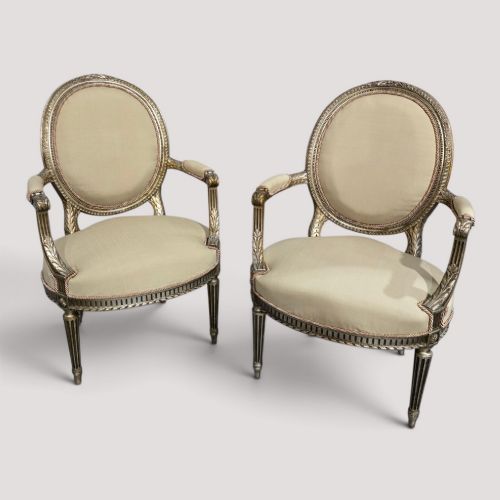
These carved wood french chairs combine formal seating with centuries of regional carving traditions, offering collectors distinct profiles from revival and historic periods.
Carved Wood French Chairs
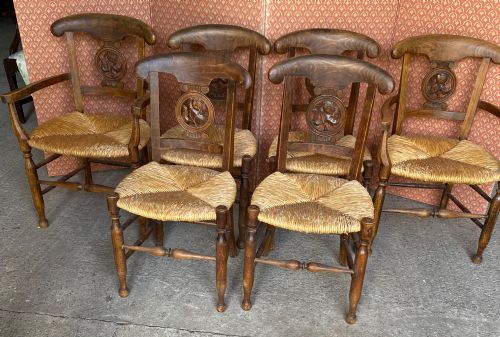
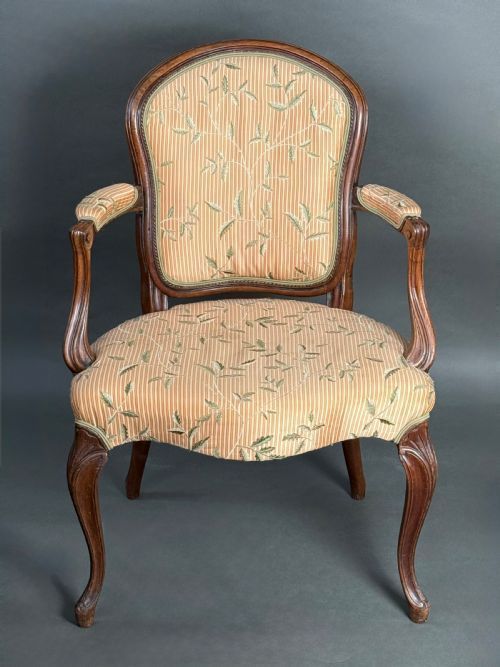
When you search for carved wood french chairs, you encounter seating forms ranging from open armchairs to compact side chairs and upholstered salon suites. These pieces span the eighteenth, nineteenth, and early twentieth centuries, capturing shifts in design from provincial simplicity to courtly grandeur.
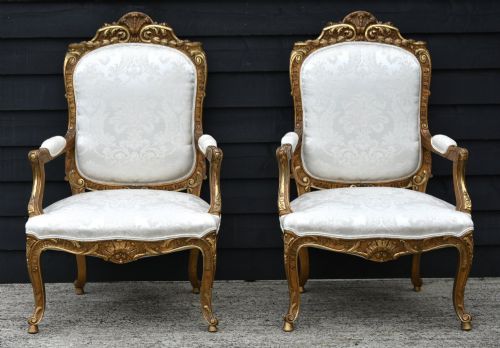
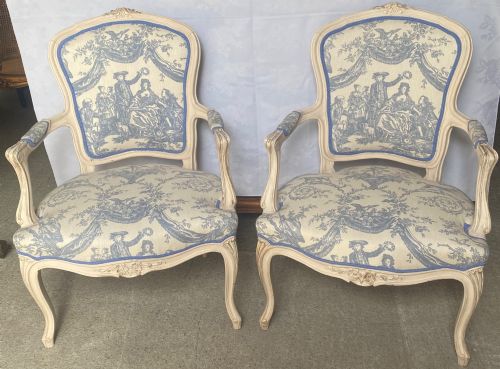
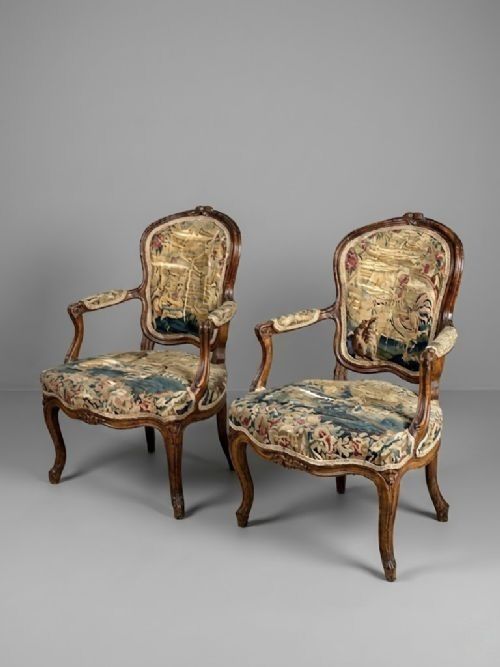
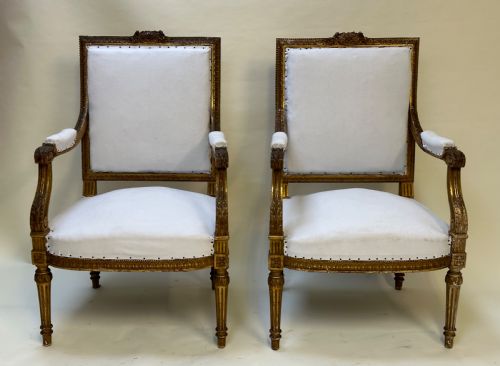
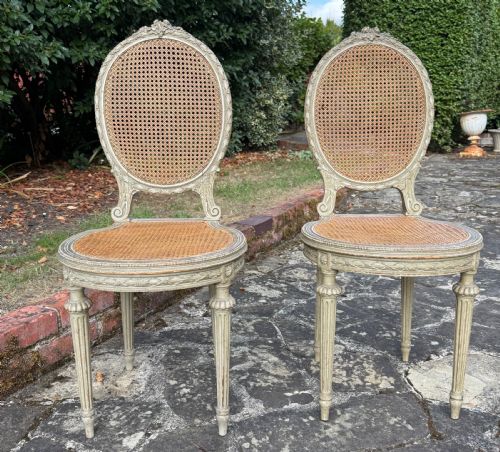
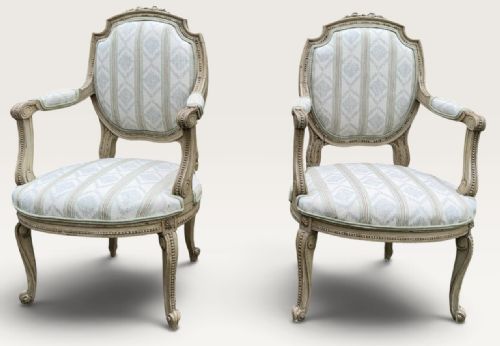
The nineteenth-century revival styles dominate the selection, heavily influenced by the reigns of Louis the fifteenth and Louis the sixteenth. You will frequently find pieces featuring traditional cabriole legs, carved cartouche backs, and formal giltwood or painted finishes.
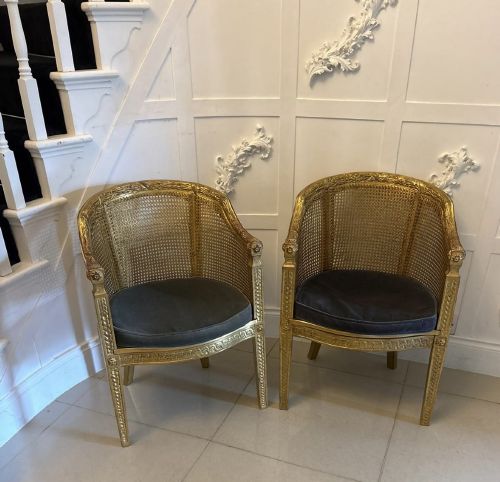
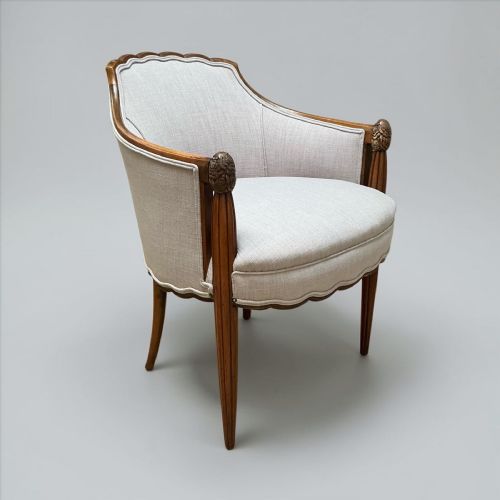
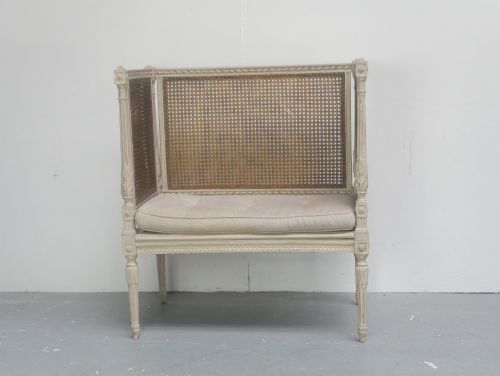
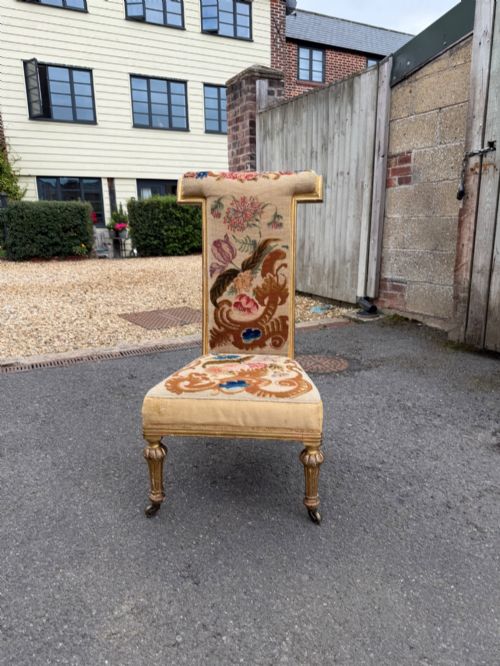
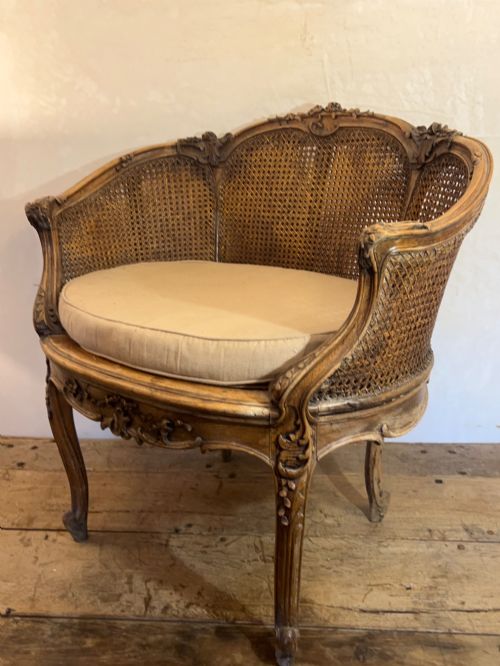
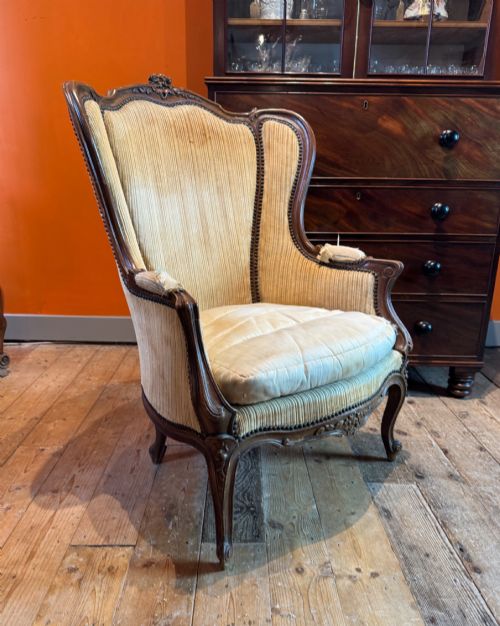
Beyond individual armchairs, the inventory includes specific seating arrangements like bergere chairs, settees, and prie-dieu items. These diverse forms reflect how French seating evolved to suit both formal parlours and private domestic chambers over generations.
What varies in quality
The distinction between standard commercial seating and exceptional craftsmanship lies primarily in the crispness and depth of the wood carving. Fine examples display hand-carved relief work with sharp undercutting and fluid lines, whereas lesser pieces rely on shallow surface tooling or moulded composition ornament.
Structural integrity and the retention of original surface finishes also dictate the standing of a piece. Chairs that preserve their initial gilding or historic painted decoration without heavy modern intervention hold greater artistic and historical cohesion.
Observed textile choices span silk, velvet, and historic fabric coverings.
Jacob-Desmalter
The Carved Wood French Chairs Glossary
- Fauteuil
- An open-framed armchair with upholstered back and armrests, typically featuring exposed wooden sides and a padded seat.
- Bergere
- A closed-arm armchair featuring upholstered sides enclosed within a wooden frame, often fitted with a loose seat cushion.
- Giltwood
- Timber that has been coated with a thin layer of gold leaf, creating a bright metallic finish commonly found on formal court furniture.
- Cabriole leg
- A furniture leg that curves outward at the knee and tapers inward toward the ankle, ending in a pad, scroll, or hoof foot.
- Rococo
- An ornate design style characterised by asymmetrical scrolls, shell motifs, and naturalistic plant forms popular during the mid-eighteenth century.
Carved Wood French Chairs: Frequently Asked Questions
What is a bergere chair?
A bergere is a traditional enclosed armchair featuring upholstered sides set within a visible wooden frame. They are typically deeper and wider than standard open armchairs.
These pieces were designed for comfortable lounging in private rooms rather than upright formal sitting in grand reception halls.
How do I spot a revival piece?
Nineteenth-century revival items often mimic earlier eighteenth-century reigns like Louis the fifteenth or sixteenth. Look closely at the wood ageing, joinery methods, and hardware to determine the true production era.
Makers of the eighteen-hundreds frequently combined historical decorative motifs with machine-assisted manufacturing techniques common to their own period.
Where should I place these chairs?
These seating options suit various domestic settings, from drawing rooms to bedrooms and reading corners. Their decorative frames allow them to function as statement pieces or accent seating alongside contemporary furnishings.
Ensure placement avoids direct sunlight to protect delicate silk or velvet fabrics and original painted wood finishes from fading.
What is the difference between giltwood and paint?
Giltwood surfaces feature applied gold leaf over a prepared base, offering a reflective and opulent appearance suited to formal spaces. Painted finishes utilise pigments directly on the wood, ranging from subtle grey tones to elaborate polychrome decoration.
Both finishes require careful handling during cleaning to preserve the historic layers of material applied by the original makers.