



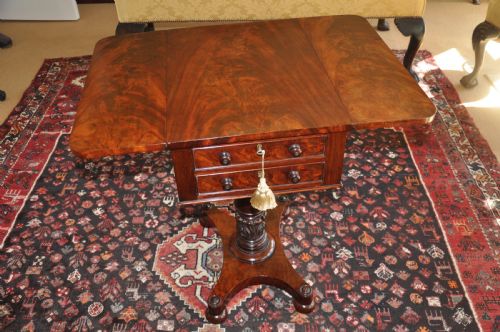

Carved Wood Drop Leaf Table
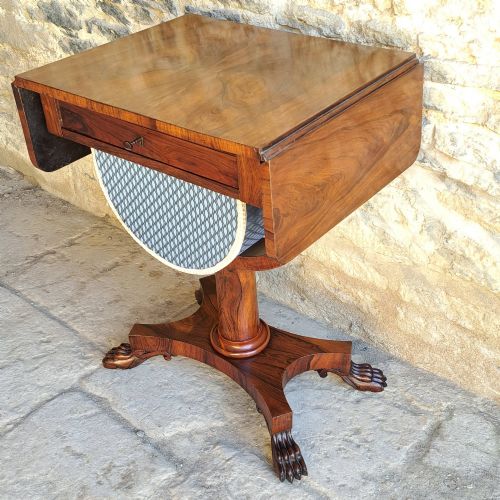
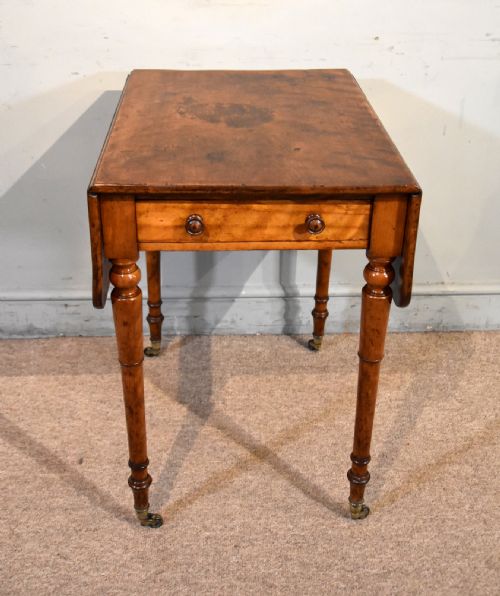
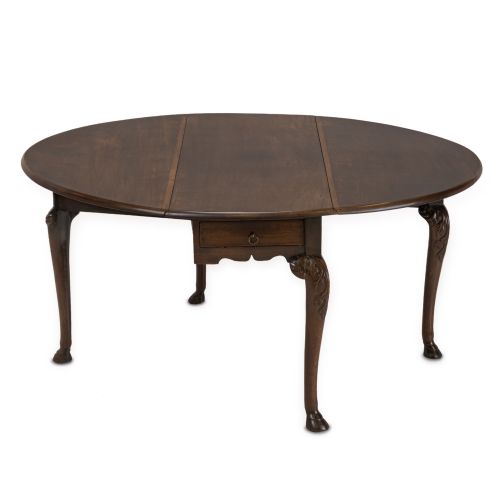
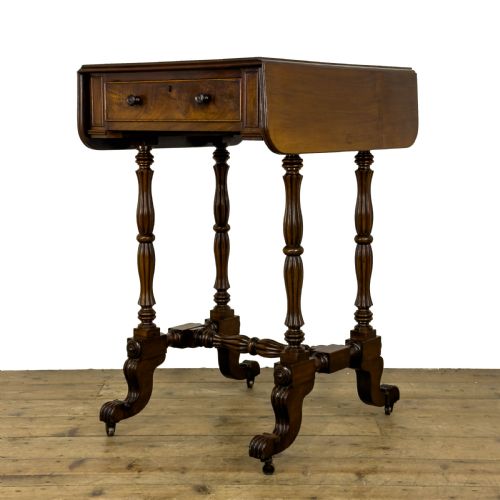
A carved wood drop leaf table offers clever folding surfaces for compact spaces, built from rich timbers like mahogany, rosewood and oak.
Carved Wood Drop Leaf Table
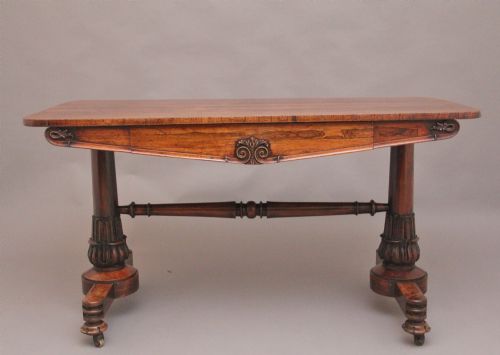
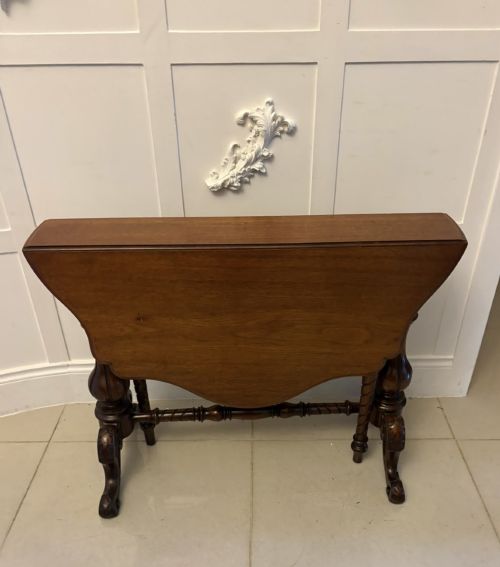
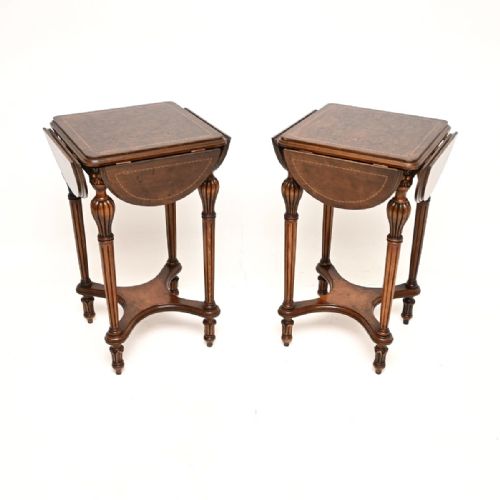
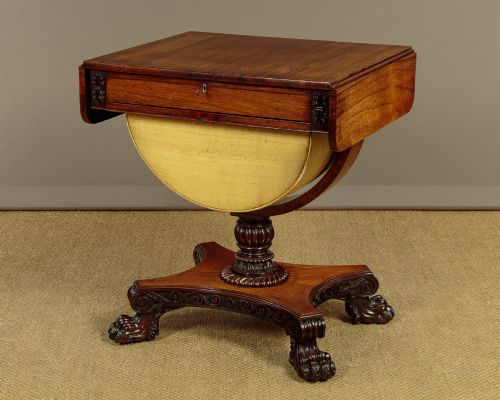
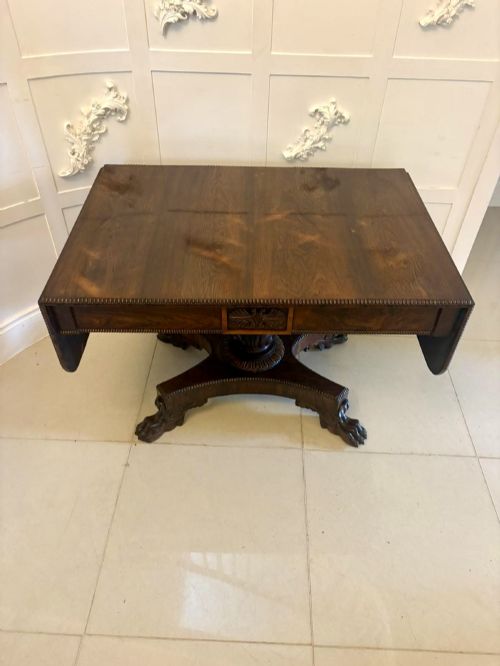
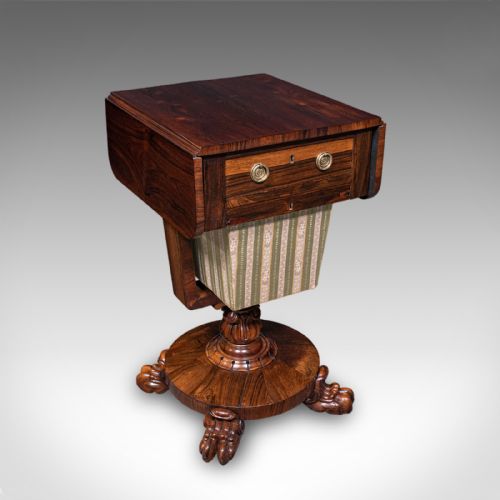
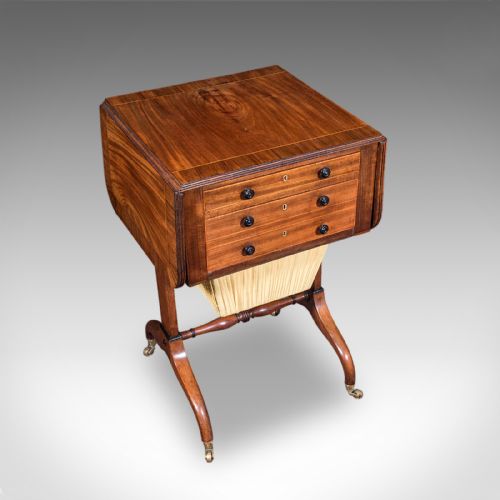
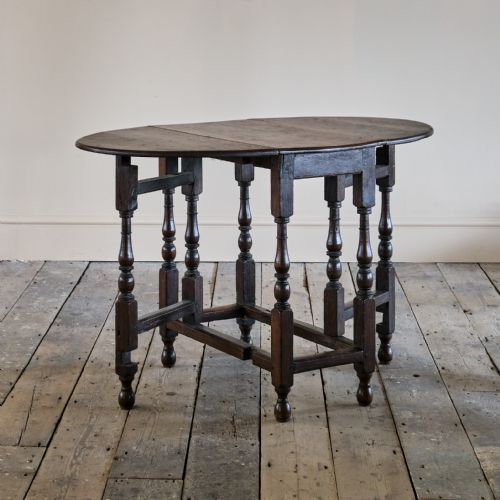
A carved wood drop leaf table serves as a versatile furniture form that expands or contracts via hinged flaps supported by swing legs or gates. These pieces range from substantial dining formats to smaller occasional, work and sewing tables designed for parlours.
The selection on this page draws primarily from the Georgian, Regency, Victorian and 19th-century periods, with occasional later 20th-century revivals. Buyers frequently encounter forms like Pembroke tables with small drawers, sofa tables intended for central room placement, and compact gateleg designs.
Woods such as mahogany, rosewood and burr walnut dominate the construction, often enhanced by carved details like cabriole legs or barley twist supports. These tables combine utilitarian folding mechanisms with decorative character suited to daily domestic interiors.
How they were made
Cabinet makers built these tables using dense hardwoods including mahogany, oak, rosewood and walnut, frequently selecting figured veneers like burr walnut or satin birch for top surfaces. Frames relied on sturdy joinery to support pivoting leaves and folding gatelegs without sagging under weight.
Carving was applied by hand to specific structural elements such as table legs, corners and edge mouldings. Artisans utilised brass fittings, castors and hinges to ensure smooth movement in drop leaves, drawers and swivel tops.
Carved Wood Drop Leaf Table Retail Price Guide 2026
Typical asking prices for carved wood drop leaf table among the pieces listed under this phrase on Sellingantiques today, from the lower quarter to the upper quarter. They describe what is for sale here now, not the wider market.
Listings span the 18th, 19th and early 20th centuries, covering Georgian, Regency, Victorian and later revival periods.
What varies in quality
Quality rests heavily on the selection of timber and the crispness of hand carving on legs and supports. Dense, finely figured grains in mahogany, rosewood and burr walnut indicate superior material choice by the maker.
The engineering of the folding mechanism and the stability of the drop leaf joints dictate long-term durability. Tables with tight hinges, well-fitted drawers and solid joints command greater regard than those with loose movement.
Johnstone and Jeanes
The Carved Wood Drop Leaf Table Glossary
- Pembroke table
- A small rectangular table with two hinged drop leaves on opposing sides, frequently fitted with one or two small drawers.
- Sofa table
- A long, narrow table traditionally placed behind a sofa, featuring drop leaves at either end and often twin pedestal supports.
- Gateleg table
- A table with hinged leaves supported by legs that swing outward like a gate to hold the leaves aloft.
- Sutherland table
- A narrow-profile drop leaf table featuring exceptionally slender leaves that fold down nearly vertically alongside a central framework.
- Cabriole leg
- A furniture leg that curves outward in an upper convex arc and inward in a lower concave arc, often terminating in a carved foot.
Carved Wood Drop Leaf Table: Frequently Asked Questions
How were drop leaf tables used originally?
These tables served multiple functions in period homes, acting as dining surfaces, writing desks, or sewing stations depending on their specific form. Their folding leaves allowed owners to conserve floor space when the furniture was not in active use.
Smaller versions like Pembroke and work tables stood beside seating areas or against walls until needed for tea, correspondence, or needlework.
Where should I place one at home?
A drop leaf table fits comfortably in tighter spaces such as hallways, landings, or behind a sofa where a full-sized desk would obstruct movement. Raising one or both leaves transforms the piece into a functional surface for dining or writing.
Their varied timber tones pair naturally with both traditional and contemporary interior schemes as accent or coffee tables.
How do I distinguish Regency from Victorian examples?
Regency tables generally display classical restraint, clean lines, and dark mahogany or rosewood timbers influenced by ancient Greek and Roman design. Details often include brass inlay and reeded legs.
Victorian pieces tend to be heavier in proportion, frequently utilising burr walnut or heavy mahogany with more exuberant carving and varied wood veneers.